Maintaining a pool in Florida isn’t just about keeping it sparkling clean—it’s about keeping your water chemically balanced. Many homeowners in Port Charlotte, Punta Gorda, North Port, Rotonda, and Charlotte County struggle with fluctuating pH levels. This problem isn’t just frustrating—it can damage your pool equipment, irritate swimmers, and even cause algae growth if left unchecked. In this guide, we’ll explain why your pool’s pH bounces and provide actionable tips to stabilize it.
H2: Understanding pH and Why It Matters
pH measures the acidity or alkalinity of your pool water on a scale of 0–14, with 7 being neutral. Pools ideally should maintain a pH between 7.2 and 7.8.
H3: Effects of pH Imbalance
- Low pH (<7.2): Corrodes metal components like ladders, pumps, and heaters. Causes red, irritated eyes and itchy skin.
- High pH (>7.8): Leads to scaling on pool surfaces and cloudy water. Reduces chlorine efficiency, allowing bacteria and algae to thrive.
In Florida, intense sun, heavy rains, and seasonal changes all contribute to unpredictable pH swings. Even frequent pool cleaning in Charlotte County can’t prevent chemical fluctuations entirely if proper monitoring isn’t in place.
H2: Common Causes of pH Fluctuations in Florida Pools
- Rainwater & Storms
Florida’s frequent summer storms dilute pool water and introduce organic matter, rapidly lowering pH. - High Bather Load
Pools in Port Charlotte and North Port often host gatherings. Sweat, lotions, and body oils can increase acidity. - Chlorine Use
Chlorine naturally raises pH over time, especially in warm Florida climates, causing upward swings if not monitored. - Alkalinity Issues
Low total alkalinity makes pH unstable. Alkalinity acts as a buffer; without it, even small changes in chemicals or rainfall can cause large swings. - Calcium Hardness and Metals
Elevated calcium levels or metals like iron and copper can indirectly affect pH, especially in areas like Punta Gorda where water sources vary seasonally.
H2: How to Test Your Pool’s pH Accurately

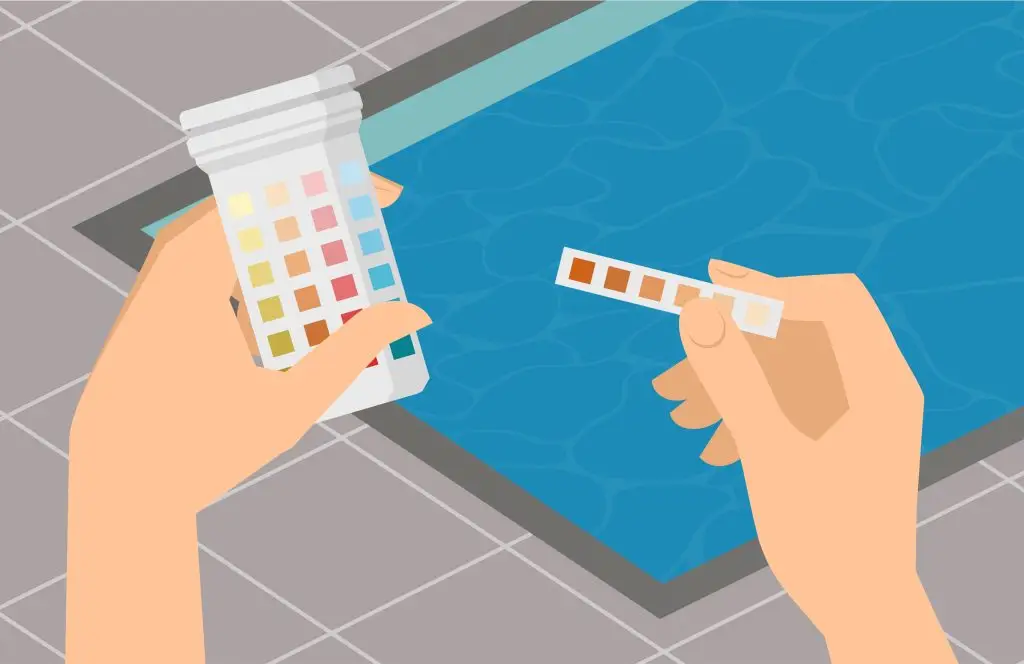
Accurate testing is the foundation of pH control. Follow these steps:
- Use a Reliable Test Kit – Digital testers are precise, but test strips also work.
- Test at the Deep End – Chemical concentration can vary, so sample from different pool depths.
- Test Multiple Times Weekly – In Florida, daily fluctuations are common, especially after storms.
- Check Total Alkalinity – This helps determine how much adjustment your pH might need.
Pro Tip: Keep a log of your readings. Patterns often emerge that allow you to anticipate fluctuations before they become a problem.
H2: Strategies to Stabilize Your Pool’s pH
H3: Adjusting pH Chemically
- To Raise pH: Use soda ash (sodium carbonate). Add slowly, testing every 2–4 hours.
- To Lower pH: Use muriatic acid or dry acid. Always add acid to water, never water to acid.
H3: Maintain Proper Alkalinity
- Optimal total alkalinity is 80–120 ppm.
- Baking soda is a simple way to raise alkalinity without drastically affecting pH.
H3: Routine Maintenance
- Regular pool cleaning in Charlotte County reduces organic debris that can destabilize pH.
- Skim leaves, empty baskets, and vacuum to minimize contaminants.
H3: Protect from Environmental Factors
- Use a pool cover during heavy storms or when the pool is not in use to prevent dilution.
- Schedule service with local experts in Port Charlotte, Punta Gorda, and North Port to handle chemical adjustments seasonally.
H2: Advanced Tips for Florida Pool Owners
- Automated Chemical Feeders: Smart feeders monitor and adjust pH and chlorine in real-time.
- Regular Filter Checks: Clogged filters can affect water circulation, leading to uneven chemical distribution.
- Shock Treatments: Periodic pool shock treatments help restore chemical balance, especially after storms or parties.
- Professional Service: A professional pool service in Charlotte County can fine-tune your chemical levels and recommend water chemistry strategies tailored to your area.
Case in Point: Many North Port homeowners notice rapid pH drops after summer rains. Partnering with Florida Detail ensures quick adjustments, preventing costly equipment damage and algae growth.
H2: Local Florida Resources for Pool Maintenance
- Florida Detail – https://FloridaDetail.com for professional pool services and maintenance tips.
- UnlimitedManiac.com – Local marketing and maintenance resources to find trusted pool technicians.
- PortCharlottePoolService.com – Trusted local service for emergency pH corrections and chemical balancing.
Regular monitoring and preventive measures not only stabilize pH but extend the life of your pool and save you time and money.
H2: Conclusion: Keep Your Pool Balanced Year-Round
Maintaining stable pH in Florida pools is a continuous effort. From rainstorms in Punta Gorda to sunny days in Rotonda, your pool is exposed to constant chemical shifts. Following the strategies outlined—accurate testing, alkalinity management, chemical adjustments, and professional maintenance—ensures safe, sparkling water all year round.
Don’t wait for problems to escalate. Explore the directory of local pool service providers in Port Charlotte, North Port, and Charlotte County, and schedule an expert consultation with Florida Detail today: https://FloridaDetail.com. Your pool—and your peace of mind—will thank you.


