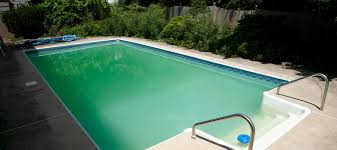
Owning a pool in Port Charlotte, Punta Gorda, or North Port is one of the best parts of Florida living — until the water turns green and refuses to clear up even after a strong chlorine shock. If you’ve ever found yourself staring at a cloudy, swampy pool after dumping in chemicals, you’re not alone.
Let’s uncover why this happens and what you can do to fix it for good.
1. Understanding What “Shocking” Really Does
When you “shock” a pool, you’re adding a high dose of chlorine to kill bacteria, algae, and organic waste. However, shocking isn’t a magic reset button — and if the underlying issues aren’t fixed, your water will turn green again in a few days.
Common reasons shocking fails:
- Chlorine demand is too high: Too much organic debris, sweat, or sunscreen in the pool.
- Improper pH levels: If your pH is above 7.8, chlorine becomes far less effective.
- Metals in the water: Iron or copper oxidize when shocked, turning water green even without algae.
- Filtration problems: A dirty or broken filter can’t circulate water properly, leaving dead algae behind.
2. The Real Culprit: Florida’s Algae-Friendly Climate
Here in Charlotte County, warm temperatures and heavy sunlight create the perfect storm for algae growth.
Even a few hours of direct sunlight can deplete chlorine, allowing algae to rebound fast — especially after summer rainstorms.
☀️ Pro Tip: Always test your chlorine levels late afternoon. Morning readings can be misleading after UV exposure burns off the chlorine.
Types of algae common in Florida pools:
- Green algae – The most common; floats or sticks to walls.
- Mustard algae – Yellowish and chlorine-resistant.
- Black algae – Deep-rooted and tough to scrub away.
3. Common Mistakes Pool Owners Make
If your pool stays green even after shocking, one of these common mistakes could be the reason:
💧 1. Not brushing or vacuuming after shocking
Algae cling to walls, ladders, and steps. Shocking kills them, but you still have to remove the residue.
⚙️ 2. Filter system issues
If you live in Rotonda or Punta Gorda, seasonal debris from storms can clog your filter.
Always backwash your sand or DE filter and clean cartridge filters after shocking.
🧪 3. Unbalanced water chemistry
For shock treatment to work:
- pH should be 7.2–7.6
- Alkalinity 80–120 ppm
- CYA (stabilizer) 30–50 ppm
A simple water test kit from your local pool store can save hours of frustration.
4. Metal Contamination: The Hidden Problem
Many homes in North Port and Port Charlotte have metal traces in well or municipal water.
When you add shock, it oxidizes metals — giving the pool a green hue even without algae.
What to do:
- Use a metal sequestrant before shocking.
- If you already shocked, add a metal remover afterward.
- Consider professional testing for metal content.
You can read more on Florida Detail about pool maintenance services designed for Florida’s mineral-heavy water systems.
5. Filtration — The Unsung Hero
Even if your chlorine levels are perfect, your pool won’t clear up without proper filtration.
In Charlotte County, filters often struggle after:
- Heavy rain introducing dirt and pollen
- Long vacation periods (common for snowbirds)
- Too short a run time (you should filter 8–10 hours per day)
If you notice poor water circulation or a weak jet stream, check for:
- Dirty filter cartridges
- Air leaks in the pump line
- Low water levels preventing full suction
6. When to Call a Professional
If you’ve shocked twice, balanced your chemicals, and cleaned your filter — yet the pool is still green — it’s time to get help.
A professional pool cleaning in Charlotte County (FloridaDetail.com) can:
- Perform a complete water chemistry analysis
- Deep-clean filters and plumbing
- Apply algaecide treatments specific to your pool type
- Inspect pump and filtration efficiency
You can also explore local service partners like:
These companies specialize in handling Florida’s toughest pool algae problems year-round.
7. Preventing Green Pool Water Long-Term
Follow this simple checklist to keep your pool sparkling clear:
- ✅ Test water weekly (chlorine, pH, and CYA)
- ✅ Clean filters monthly
- ✅ Run pump daily for at least 8 hours
- ✅ Shock only when needed (after storms or heavy use)
- ✅ Brush walls and steps weekly
- ✅ Keep a cover on when not in use
💡 Maintenance Tip: Florida’s intense UV rays break down chlorine quickly. Use a stabilizer (CYA) to keep chlorine active longer.
8. The Bottom Line: Consistency Wins
Your pool doesn’t stay green because shocking doesn’t work — it stays green because shocking is only one part of the solution.
Regular testing, balanced chemistry, clean filters, and professional inspections are what keep Port Charlotte and North Port pools crystal clear through the hot Florida seasons.
If you’re tired of fighting green pool water, visit Florida Detail for professional insights, or check out UnlimitedManiac.com for local SEO and home-service business resources.
Want to Enjoy a Clear Pool All Year?
Get connected with local, verified pool cleaning experts through FloridaDetail.com.
They know how to handle Florida’s algae, heat, and unpredictable weather — so your pool stays blue, not green.


