This version follows your proven structure — professional, local tone, clear formatting, readability focus, and local SEO optimization for Port Charlotte, Punta Gorda, North Port, Rotonda, and Charlotte County.
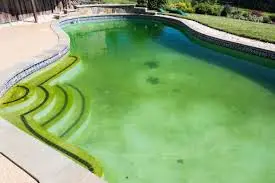
Why Your Pool Feels Slimy — Causes and Immediate Fixes
A pool should feel smooth, refreshing, and clean — not slippery or slimy. Yet many homeowners in Port Charlotte, Punta Gorda, and North Port eventually notice a slick film on walls or steps. This buildup is more than unpleasant; it’s often a warning sign of chemical imbalance, algae growth, or bacterial contamination.
At Florida Detail, we’ve helped countless families across Charlotte County diagnose and fix slimy pool problems before they lead to cloudy water, staining, or unsafe conditions. Here’s what causes that slippery feel — and how to eliminate it fast.
What Causes Slimy Pool Walls and Floors?
When your pool feels slick, it’s usually a result of organic buildup or chemical imbalance. Here are the main culprits:
1. Algae Growth
- Green, yellow, or black algae thrive in warm Florida water.
- If chlorine levels drop, algae quickly forms a slippery biofilm on pool walls and steps.
- Algae can grow invisibly before you see discoloration — sliminess is often the first warning sign.
2. Bacterial Biofilm
- Bacteria can attach to pool surfaces and create a slimy protective layer.
- Common after long periods of inactivity or heavy rain dilution.
- Feeds on body oils, sunscreen, and debris in under-sanitized water.
3. Imbalanced Water Chemistry
- Low chlorine or oxidizer levels reduce sanitation.
- High pH or alkalinity prevents chlorine from working properly.
- Result: a slippery coating caused by unoxidized organic material.
4. Poor Circulation or Filtration
- Stagnant corners, steps, and ladders often collect organic debris.
- Weak pump flow or dirty filters allow biofilm to grow unchecked.
5. Rain and Heat Exposure
In Charlotte County, Florida’s heat and afternoon rainstorms cause chlorine to dissipate quickly — leaving pools vulnerable to microbial buildup.
If your pool feels slick after a storm, test chlorine immediately. The rainwater likely diluted your sanitizer.
Immediate Fix: How to Remove Slimy Buildup
If you feel slime on your pool walls or steps, act quickly — it won’t go away on its own.
Step 1: Test and Balance the Water
Use a reliable test kit to check:
- Free Chlorine: 1–3 ppm
- pH: 7.4–7.6
- Total Alkalinity: 80–120 ppm
- Cyanuric Acid (Stabilizer): 30–50 ppm
✅ If chlorine is low, add shock treatment immediately.
✅ If pH is high, lower it with muriatic acid or sodium bisulfate.
Balanced water is your best defense against slippery buildup and bacterial growth.
Step 2: Brush All Surfaces
Use a pool brush to scrub walls, steps, ladders, and the waterline. This removes algae spores and breaks up biofilm.
- For plaster pools, use a stiff nylon brush.
- For vinyl or fiberglass, use a soft brush to prevent scratching.
Pay attention to corners, steps, and shaded spots — they’re prime growth areas in Rotonda West pools.
Step 3: Shock the Pool
Once brushed, superchlorinate your pool to destroy organic material.
- Calculate your pool volume.
- Add shock treatment at 3–5 times the normal dose.
- Run the pump for at least 24 hours continuously.
After shocking:
- Brush again to remove loosened debris.
- Clean your filter once circulation is complete.
In Port Charlotte, where temperatures stay high year-round, weekly shock treatments help prevent future slime.
Step 4: Backwash or Clean Your Filter
Slimy residue and algae fragments get trapped in your filter.
- Sand filters: Backwash for 2–3 minutes.
- Cartridge filters: Remove and rinse thoroughly.
- DE filters: Clean grids and recharge with fresh DE powder.
A clogged filter will quickly reintroduce contaminants — clean it after every heavy shock or algae treatment.
Step 5: Run Pump Continuously for 24–48 Hours
Keep your system circulating to:
- Distribute chlorine evenly.
- Remove dead algae.
- Prevent new growth in stagnant zones.
If you still feel slime after two days, repeat the brushing and shock cycle.
Long-Term Prevention Tips
1. Maintain Proper Sanitizer Levels
Test your chlorine 2–3 times per week, especially in summer.
2. Brush Weekly
Even with balanced water, algae spores cling to surfaces. Brushing breaks them up before they form biofilm.
3. Use Enzyme Clarifiers
Natural enzyme products break down oils, lotion, and organic waste that feed bacteria.
4. Clean Skimmers and Steps Regularly
These areas collect the most debris and biofilm buildup.
5. Schedule Professional Maintenance
Regular service from Florida Detail ensures balanced water, clear surfaces, and optimal filtration — without overusing chemicals.
Homeowners in Punta Gorda often schedule weekly visits during summer when temperatures rise above 90°F.
Florida-Specific Pool Care Challenges
☀️ UV Breakdown
Florida’s intense sunlight burns off chlorine rapidly. Use stabilized chlorine or add cyanuric acid to protect sanitizer levels.
🌧️ Rain Dilution
Heavy rainfall lowers chlorine and pH, creating a breeding ground for slime. Always test water after storms.
🌀 Storm Season
Wind and debris bring organic material into the pool, feeding bacteria. Shock immediately after tropical systems pass.
Learn more about storm maintenance at FloridaDetail.com/blog/hurricane-pool-equipment-protection.
Real Florida Example
“One homeowner in North Port called about slippery steps. We tested the water — chlorine was nearly zero after several rainstorms. After shocking, brushing, and balancing, the slime disappeared within 24 hours. Now they test every 3 days to stay ahead.”
— Ryan C., NorthPortPoolServices.com
Common Mistakes to Avoid
❌ Ignoring slimy surfaces — they indicate early algae or bacteria
❌ Shocking without brushing — biofilm protects contaminants
❌ Leaving filters dirty after treatment
❌ Using algaecides as a substitute for chlorine
❌ Forgetting to test water after rainfall
Sliminess means your pool’s sanitization system is struggling — don’t delay treatment.
Florida Detail’s Pro Slimy Pool Fix Checklist
✅ Test chlorine, pH, and alkalinity
✅ Brush every surface
✅ Shock heavily and circulate 24–48 hrs
✅ Clean filters after treatment
✅ Maintain weekly brushing and enzyme use
Need professional help? Visit FloridaDetail.com or explore pool cleaning in Charlotte County to book a visit.
Why Choose Florida Detail
We’re your local pool care experts, serving Port Charlotte, Punta Gorda, North Port, and Rotonda West.
Our services include:
- Water chemistry balancing
- Algae and slime removal
- Filter cleaning and inspections
- Preventative maintenance for Florida’s climate
For professional resources and SEO insights, check UnlimitedManiac.com — Florida’s go-to pool service marketing partner.
Conclusion
A slimy pool is more than a nuisance — it’s a sign of low chlorine, algae, or bacteria buildup. By testing water regularly, brushing surfaces, and maintaining balanced chemistry, you can restore that clean, silky-smooth feel.
From Port Charlotte to Rotonda, Florida Detail helps homeowners eliminate slime and keep pools safe, clear, and ready for every swim.
👉 Visit https://FloridaDetail.com today to schedule a slime removal or water balance service in Charlotte County.


