
If you’ve ever noticed a thin crack running across your pool plaster, you may be tempted to shrug it off as “just cosmetic.” But in Port Charlotte, Punta Gorda, North Port, Rotonda, and across Charlotte County, ignoring even the smallest pool plaster cracks can lead to expensive repairs, water loss, and long-term damage.
Understanding Pool Plaster and Its Role
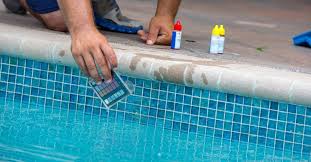
Pool plaster isn’t just about making your pool look beautiful. It:
- Creates a protective waterproof layer over the concrete shell.
- Keeps the surface smooth for swimmers.
- Helps maintain chemical balance by preventing leaching into concrete.
When cracks appear, they compromise all of these functions.
The Different Types of Pool Plaster Cracks
Not all cracks are the same. Identifying the type helps determine urgency.
1. Hairline Cracks
- Fine, spider-web style cracks.
- Common after storms or with aging plaster.
- May seem harmless but allow chemicals and algae to settle in.
2. Structural Cracks
- Run deeper through plaster and possibly into the concrete shell.
- Can cause major water leaks and weaken the pool’s foundation.
3. Surface Crazing
- Small, shallow cracks caused by heat and sunlight.
- Very common in Florida’s year-round sunny climate.
4. Delamination Cracks
- Plaster separating from the concrete base.
- Creates hollow-sounding spots when tapped.
Why Small Cracks Shouldn’t Be Ignored
A crack today can turn into a costly headache tomorrow. Here’s why:
- Water Loss
– Even small cracks allow slow leaks. Over months, this adds up to high water bills. - Chemical Imbalance
– Leaks change pool water levels, forcing you to spend more on chlorine, stabilizers, and balancing agents. - Algae Growth
– Cracks are perfect hiding spots for algae spores, especially during Charlotte County’s hot summers. - Structural Damage
– Water seeping into concrete can erode the shell, leading to major repairs.
Real-Life Example in Florida
After Hurricane Ian, many homeowners in Port Charlotte and Punta Gorda reported minor cracks. Some dismissed them, but by spring, those small cracks expanded due to heat and water pressure—leading to full resurfacing jobs. Others who acted quickly with patching avoided thousands of dollars in costs.
How to Spot Cracks Early
- Visual Checks: Walk your pool deck monthly and scan for thin lines.
- Touch Test: Run your hand along plaster—rough spots often indicate early cracks.
- Tap Method: Listen for hollow sounds that suggest delamination.
- Water Level Watch: If your pool drops more than ¼ inch daily without evaporation, check for cracks.
👉 Pro tip: Add inspections to your seasonal pool service schedule.
What To Do If You Find a Crack
Step 1: Determine Severity
- Small hairline? You may patch.
- Wide or deep? Call a pro immediately.
Step 2: Patch Quickly
- Use a pool-safe plaster patching kit.
- Sand and smooth after curing.
Step 3: Monitor Closely
- Reinspect weekly for spread.
Step 4: Hire a Professional
For larger cracks, always consult local experts in pool cleaning in Charlotte County who can resurface or replaster as needed.
Check out our Services page for help.
Preventing Cracks in the First Place
- Maintain Balanced Chemistry – Overly acidic water eats plaster.
- Brush Regularly – Prevents algae that weaken plaster.
- Protect from Sun Damage – Cover your pool during peak summer hours.
- Winterize Correctly – Even Florida snowbirds should prep before leaving.
- Schedule Inspections – Hire a North Port pool company before storm season.
Common Myths About Pool Cracks
- “Tiny cracks don’t matter.”
– In Florida’s climate, they expand quickly. - “Resurfacing can wait.”
– Waiting only raises costs when damage spreads. - “All cracks are cosmetic.”
– Many cracks signal deeper shell issues.
Local Insight for Charlotte County Pool Owners
- Punta Gorda: Saltwater pools here are prone to surface crazing from salt + sun.
- Port Charlotte: Older plaster pools in mid-century homes often show hairline cracks.
- North Port: Sandy soil movement increases the risk of structural cracks.
- Rotonda: Popular for snowbirds—pools left unattended for months often return with visible cracks.
👉 That’s why ongoing maintenance through trusted local providers like PortCharlottePoolService.com or NorthPortPoolServices.com is essential.
Additional Resources
- Expert guidance: Florida Detail
- Marketing insights for local businesses: UnlimitedManiac.com
- Regional specialists:
Conclusion: Don’t Wait Until It’s Too Late
Small cracks may look minor today, but tomorrow they can lead to structural damage, leaks, and expensive resurfacing. Whether you live in Port Charlotte, Punta Gorda, North Port, Rotonda, or anywhere in Charlotte County, don’t take chances with your pool plaster.
👉 Explore Florida Detail for expert advice and trusted local pool service providers who can keep your pool safe, smooth, and ready year-round.


