
Florida summers bring sunshine, fun, and long pool days. But they also bring challenges for pool owners in Port Charlotte, Punta Gorda, North Port, Rotonda, and across Charlotte County. One of the most common issues? Overheating pool pumps.
If your pump shuts down or starts making strange noises on a hot day, you’re not alone. Many Florida homeowners notice their pumps fail or run less efficiently during the hottest months. Let’s explore why this happens and what you can do to protect your pool system.
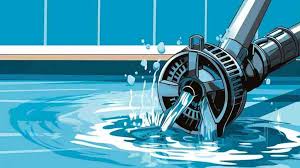
Understanding the Role of a Pool Pump
Your pool pump is the heart of your system, circulating water through the filter, heater, and chlorinator. When it overheats, everything stops—leaving you with cloudy or unsafe water.
Unfortunately, Florida’s extreme conditions often push pumps beyond their limits.
Why Do Pool Pumps Overheat Faster in Florida?
1. Extreme Heat and Humidity
Temperatures in Charlotte County can soar above 95°F in summer. When pumps run for 8–12 hours a day, motors struggle to dissipate heat.
2. Longer Run Times
In Punta Gorda and North Port, algae growth is faster due to constant sunshine. Homeowners often run pumps longer, which puts extra stress on the motor.
3. Storm Debris
After summer storms, debris clogs filters, forcing pumps to work harder. This increased strain generates more heat.
4. Poor Ventilation
Many pool pumps in Rotonda are enclosed in small sheds or tight equipment spaces. Without airflow, pumps heat up quicker.
5. Electrical Issues
Voltage fluctuations—common during Florida thunderstorms—cause motors to overheat and trip breakers.
Warning Signs of an Overheating Pool Pump
Look out for these red flags:
- Pump shuts off unexpectedly
- Unusual humming or grinding sounds
- Burning smell near the equipment pad
- Reduced water circulation or weak jets
- Hot-to-touch pump housing
How to Prevent Pump Overheating in Charlotte County
You can’t change Florida’s climate, but you can protect your pool pump:
Quick Fixes:
- Shade the Pump – Install a ventilated cover or awning.
- Clean Filters Regularly – Prevent debris overload after storms.
- Check Voltage – Have an electrician confirm stable power supply.
- Improve Airflow – Don’t box your pump in a sealed space.
- Run Pumps at Night – Cooler nighttime temps reduce motor stress.
Long-Term Solutions:
- Upgrade to a variable-speed pump for efficiency.
- Schedule regular pool cleaning in Charlotte County to avoid blockages.
- Have professionals inspect for early motor wear before summer hits.
Real-Life Florida Examples
- In Port Charlotte, a homeowner’s pump overheated weekly until they improved ventilation with a louvered equipment enclosure.
- A North Port family avoided costly repairs by upgrading to a variable-speed pump, cutting energy bills in the process.
- In Rotonda, debris after storms repeatedly clogged a filter; routine service from Florida Detail solved the issue.
The Cost of Ignoring Overheating
Failing to address overheating can lead to:
- Burnt-out pump motors ($500–$1,200 replacement)
- Shortened pump lifespan
- Cloudy, unsafe water due to circulation failure
- Higher electric bills
Helpful Resources for Pool Owners
- Florida Detail – Professional guidance on pump efficiency and maintenance.
- Learn more about pool cleaning in Charlotte County.
- Visit https://FloridaDetail.com for full services and contact info.
- Marketing insights for pool companies: UnlimitedManiac.com.
- Additional support from local resources: PoolServiceInPortCharlotte.com, NorthPortPoolServices.com.
Final Thoughts
Florida summers are tough on pool pumps, but with proactive care, you can prevent overheating and extend your system’s life. Whether you live in Port Charlotte, Punta Gorda, North Port, Rotonda, or anywhere in Charlotte County, keeping your pump cool is the key to clear, refreshing water all season long.
👉 Don’t wait for a breakdown. Visit the Florida Detail home page, check out our services, or contact us today to connect with a trusted local pool professional.


