Foamy pool water may look like something out of a spa commercial, but for homeowners in North Port, Port Charlotte, Punta Gorda, Rotonda, and across Charlotte County, it’s usually a sign that something is wrong. If your pool looks more like a bubble bath than a place to swim, don’t panic—this guide will help you figure out why it’s happening and what to do about it.
Why Does Pool Water Foam?
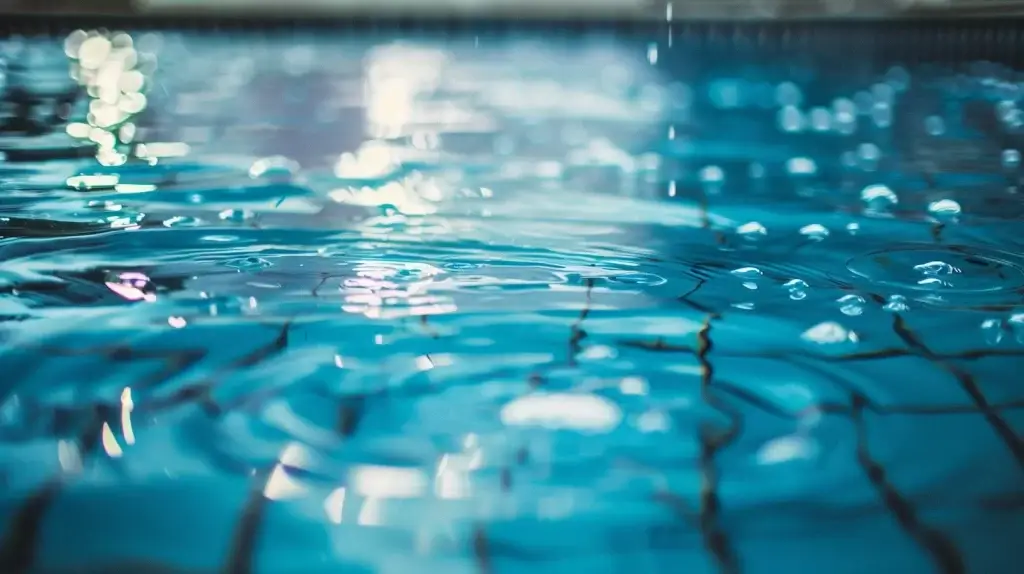
Pool foam is caused by surfactants—substances that reduce surface tension and create bubbles. Surfactants can sneak into your pool in several ways:
- Residue from soaps, shampoos, and laundry detergents
- Excessive pool chemicals or algaecides
- Decomposing organic matter (leaves, pollen, or dead algae)
- High swimmer load during busy weekends or snowbird season
- Cosmetics, lotions, and sunscreen washing off into the water
In Charlotte County, where summer storms bring pollen and debris, foam is even more common if the pool isn’t serviced regularly.
Image Idea #1
A close-up photo of a swimming pool with visible foam/bubbles across the surface (like a bubble bath effect).
Step 1: Test Your Water Chemistry
The first thing to do when foam appears is to check your pool’s chemical balance. Grab a testing kit or strips and look for:
- Chlorine levels → Low chlorine lets organic matter build up.
- pH balance → Out-of-range pH can increase foam.
- Total dissolved solids (TDS) → High TDS levels make water cloudy and foamy.
If you’re in Port Charlotte or Punta Gorda, you know heavy rains can dilute chemicals quickly, so testing is especially important after a storm.
Step 2: Shock the Pool
If the chemistry looks off, the fastest solution is a shock treatment:
- Add chlorine shock according to pool size.
- Run the pump continuously for 24 hours.
- Brush and vacuum to remove any residue.
💡 Local pros at Florida Detail often recommend shocking after big pool parties or seasonal transitions, especially for snowbird homeowners returning to North Port or Rotonda.
A pool technician pouring granular chlorine shock into a backyard pool under Florida sunshine.
Step 3: Rule Out Algaecide Overuse
Believe it or not, one of the most common culprits for foamy pools in Charlotte County is too much algaecide. Certain low-cost algaecides contain copper or surfactants that create bubbles.
- If you’ve recently added algaecide, check the dosage.
- Avoid bargain-brand products with high surfactant levels.
- Stick with polyquat 60, which is less likely to foam.
Step 4: Eliminate Organic Debris
Florida pools are surrounded by oak leaves, palm fronds, and constant pollen. All of these contribute to foamy water. To prevent buildup:
- Skim the pool daily.
- Use a leaf net after storms.
- Clean filters regularly.
In Rotonda, where many pools are screened but still gather fine debris, filter maintenance is critical.
Step 5: Call in a Professional
If the foam keeps coming back, it may be time to call a local expert. A pool technician can:
- Perform advanced water testing
- Inspect pump and filter systems
- Identify hidden chemical imbalances
- Recommend long-term maintenance strategies
Find trusted providers right on Florida Detail, your local directory for pool care in Charlotte County.
Pro Tips to Prevent Pool Foam
- Shower before swimming (removes lotions and deodorants).
- Wash swimsuits without fabric softener.
- Keep chemical dosing consistent.
- Backwash filters as recommended.
- Schedule routine pool cleaning in Charlotte County with Florida Detail.
Real Example From Punta Gorda
A Punta Gorda family reported their pool foaming after every grandkids’ pool party. The culprit? Laundry detergent residue on swimsuits. Once they switched to a detergent without softeners and shocked the pool, the foam vanished.
Extra Resources
For deeper pool care insights, explore:
- PortCharlottePoolService.com
- NorthPortPoolServices.com
- Marketing/home service resources from UnlimitedManiac.com
Internal Links for FloridaDetail Readers
- Learn more about our services.
- Browse our home directory.
- Contact trusted providers here.
Conclusion: Keep Your Pool Foam-Free
Foamy water is a nuisance, but it’s also a signal that your pool chemistry or maintenance routine needs attention. For homeowners in Port Charlotte, Punta Gorda, North Port, Rotonda, and all across Charlotte County, the key is regular testing, proper chemical use, and cleaning.
👉 Visit Florida Detail today to find local professionals who can keep your Florida pool crystal clear—without the bubbles.


