If you live in Port Charlotte, Punta Gorda, North Port, or Rotonda, you know Florida rainstorms can dump inches of water in just a few hours.
When that happens, it’s not uncommon to see your pool overflowing — water spilling over the edges, carrying debris, and disrupting your pool’s delicate chemical balance.
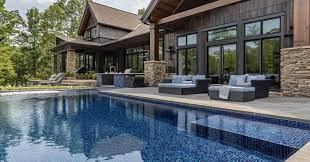
The good news? Overflow doesn’t have to mean damage or disaster. With a few simple steps, you can bring your pool back to normal safely and quickly.
💧 Fun Fact: Charlotte County receives around 50+ inches of rain annually, meaning overflow maintenance is something every pool owner will eventually face!
Why Heavy Rain Causes Pool Overflow
During Florida’s rainy season, pools fill up fast because they’re designed to collect rainfall directly. When the water rises above the coping edge or skimmer line, problems begin.
Overflow can cause:
- Water contamination from runoff (dirt, mulch, fertilizers).
- Unbalanced pool chemistry — rainwater is naturally acidic and dilutes chlorine.
- Flooding around your pool deck or yard.
- Equipment strain as pumps and filters work overtime.
The key is to respond quickly before it leads to long-term damage or safety risks.
Step-by-Step Guide: What to Do When Your Pool Overflows
1. Turn Off Power Equipment
The first and most important step:
⚠️ Turn off your pool pump, heater, and electrical systems immediately.
If water has reached or submerged electrical components, continued operation can cause equipment failure or electrical hazards.
2. Remove Excess Water
Once it’s safe, it’s time to drain the excess.
There are several ways to safely lower water levels:
- Backwash your filter system (if it’s a sand or DE filter).
- Use a submersible pump or drain line to remove water manually.
- Open your multiport valve to the “waste” setting and drain carefully.
💡 Pro Tip: Don’t drain more than 2 inches below the skimmer line, especially in Florida’s sandy soil. Over-draining can cause your pool to float or shift due to high groundwater levels.
3. Check Water Chemistry
Rainwater is naturally soft and slightly acidic — which can throw your pool chemistry off balance.
After overflow:
- Test pH, chlorine, and alkalinity immediately.
- Use a test kit or visit your local pool professional for a quick check.
- Add chemicals gradually to restore balance.
Typical adjustments may include:
- pH Increaser (soda ash) — to raise pH back to 7.4–7.6.
- Chlorine shock — to kill any bacteria from runoff.
- Alkalinity increaser — to stabilize pH levels.
For a more detailed maintenance guide, explore Florida Detail or check PoolCleaningInPortCharlotte.com for local pool service experts.
4. Clean Debris and Check Filters
Once the rain subsides, you’ll likely find leaves, twigs, and insects floating in the water.
Use a leaf net or skimmer basket to remove debris immediately — before it sinks and decomposes.
Then:
- Backwash your filter.
- Clean your skimmer and pump baskets.
- Inspect your filter pressure gauge — if it’s 8–10 PSI above normal, clean or replace the filter media.
🧽 Quick Tip: North Port homeowners often notice higher filter pressure after tropical storms due to fine sand and debris entering the system.
5. Inspect Pool Surroundings
Heavy rain can erode soil and shift pavers or pool decks. Walk around your pool area and look for:
- Standing water near the equipment pad.
- Soil erosion near the foundation.
- Damage to fencing, screens, or drains.
You can prevent future flooding by adding proper drainage systems or rain diverters — ask a local pro from PortCharlottePoolServices.com for solutions suited to your backyard layout.
Preventing Future Overflow in Florida Pools
Install an Overflow Drain
Many modern pools in Charlotte County come with overflow drains. If yours doesn’t, consider installing one — it automatically releases water once levels exceed a set point.
Keep Water Levels Lower During Storm Season
Before forecasted rain:
- Lower your pool’s water level by 2–3 inches.
- Secure floating devices and furniture.
- Cover the pool if possible to prevent debris buildup.
Maintain Proper Yard Grading
Ensure the ground slopes away from your pool, not toward it. This helps prevent storm runoff from contaminating your water.
🌧️ Local Insight: In Rotonda and Punta Gorda, many homeowners install French drains around pool decks to divert excess water during hurricane season.
Common Mistakes to Avoid After Pool Overflow
Even experienced pool owners sometimes make errors after heavy rain. Avoid these pitfalls:
- ❌ Draining too much water (risk of structural damage).
- ❌ Ignoring chemical balance (can lead to algae and staining).
- ❌ Running equipment in a flood (causes short circuits).
- ❌ Forgetting to inspect the pool shell (small cracks can worsen after storms).
To get your pool back in shape fast, consult experts at Florida Detail or connect with local pros through NorthPortPoolCompany.com.
Local Weather Tip: Florida Storm Frequency
From June to November, Charlotte County experiences frequent thunderstorms and tropical depressions. Pool owners in Port Charlotte and Punta Gorda often face multiple overflow incidents each season.
That’s why it’s essential to have an emergency rain plan for your pool — including a drainage strategy and professional inspection schedule.
For more local homeowner guides, visit our marketing and SEO partner UnlimitedManiac.com.
Conclusion: Protect Your Pool, Rain or Shine
Overflowing pools might look overwhelming, but quick action makes recovery simple. By controlling water levels, checking chemistry, and ensuring good drainage, you’ll protect your investment and backyard comfort all year long.
If you need expert help, head over to Florida Detail — your trusted hub for pool cleaning in Charlotte County, maintenance tips, and professional services.


