
When summer hits Charlotte County, pool owners in Port Charlotte, Punta Gorda, North Port, and Rotonda know the drill — sunshine, BBQs, and long pool days. But what many don’t realize is that sunscreen, while protecting skin, can quietly damage your pool’s water quality, filtration system, and surface finish over time.
This invisible problem — sunscreen residue build-up — can cloud your water, clog filters, and create stubborn oily films that no amount of chlorine alone can fix.
Why Sunscreen Is a Hidden Pool Pollutant
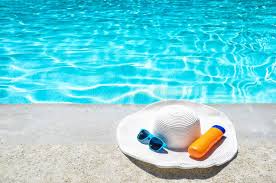
Sunscreen may seem harmless, but its ingredients are designed to repel water — and that’s exactly the issue.
When swimmers enter the pool:
- Oils, titanium dioxide, and zinc oxide wash off into the water.
- These compounds float on the surface, creating an oily film that traps dirt and bacteria.
- Over time, residues accumulate in filters and skimmers, reducing water flow and sanitizer efficiency.
According to the U.S. Environmental Protection Agency, even small concentrations of sunscreen compounds can disrupt aquatic systems — and your pool’s mini-ecosystem is no exception.
Signs You Have Sunscreen Build-Up
If your pool’s been struggling lately, it may not be “bad chemicals” — it could be sunscreen residue.
Watch for these red flags:
- Oily sheen on the surface that returns after skimming.
- Cloudy water, even after proper chlorination.
- Sticky residue along waterline tiles or skimmer baskets.
- Reduced water flow due to clogged filters.
- Foam or bubbles that don’t dissipate easily.
Pool technicians in Port Charlotte often report that mid-summer clarity problems are caused by oil and lotion, not algae — especially after pool parties or weekends of heavy use.
The Science Behind Sunscreen Residue
The problem stems from emulsifiers and UV-blocking minerals that cling to water molecules.
- Titanium dioxide and zinc oxide, common in physical sunscreens, bond to organic matter and form cloudy suspensions.
- Chemical UV filters (like avobenzone or oxybenzone) interact with chlorine, reducing sanitizing power.
- Combined with Florida’s heat and humidity, these residues can multiply algae and bacteria growth rapidly.
This explains why even clear pools may smell off or feel slick — it’s chemical imbalance caused by residue reactions.
How to Prevent Sunscreen Build-Up (Before It Starts)
Prevention is easier — and cheaper — than treatment. Here’s how to get ahead of it:
1. Encourage Quick Rinses
Ask swimmers to rinse off in an outdoor shower or hose before diving in. This removes most lotions, oils, and sweat.
2. Use Mineral-Based, “Pool-Safe” Sunscreens
Look for brands labeled:
- “Reef safe”
- “Oil-free”
- “Non-nano zinc” or “non-aerosol”
These formulas break down faster and don’t leave as much film.
3. Maintain Proper Chlorine and Enzyme Balance
Adding natural pool enzymes breaks down oils and cosmetics before they can stick to surfaces.
- Add weekly or after heavy use.
- Choose enzyme blends designed for Florida’s warm climates.
4. Run Filters Longer During Peak Season
In North Port and Rotonda, many pools need 10–12 hours of filtration daily during summer to combat oil accumulation.
5. Skim Surface Daily
Floating residues tend to build up overnight. Skim every morning for best results.
How to Remove Existing Sunscreen Residue
If you already see cloudiness or film, here’s your recovery plan:
- Shock the pool – use a chlorine or non-chlorine shock to oxidize organic residue.
- Add pool enzymes – these digest oils left behind by sunscreen.
- Clean filters thoroughly – rinse or backwash; consider deep-cleaning with filter cleaner solution.
- Scrub the waterline – use a non-abrasive tile cleaner to remove stuck-on oil.
- Run circulation for 24–48 hours to fully mix and filter out particles.
Professionals offering pool cleaning in Charlotte County use this same multi-step method for rapid water recovery after sunscreen-heavy weekends.
Common Mistakes Pool Owners Make
Even diligent pool owners sometimes make these errors:
- Over-shocking to fix cloudiness (it won’t remove oil).
- Ignoring filter pressure until flow drops dramatically.
- Skipping enzyme treatments because “the water looks fine.”
- Using harsh degreasers that damage vinyl liners or plaster.
Proper treatment is about balance, not brute force.
Real-Life Example from Punta Gorda
A Punta Gorda homeowner recently noticed her pool staying cloudy despite daily cleaning. A technician from PortCharlottePoolService.com found thick oily residue clogging the cartridge filters — traced back to a family gathering where everyone used high-SPF, waterproof sunscreen.
After a full enzyme treatment, filter replacement, and two cycles of shock and brushing, the pool returned to full clarity in 48 hours — no draining required.
That’s why understanding sunscreen residue is vital — it sneaks in quietly but causes lasting effects if untreated.
Quick-Action Checklist for Florida Pool Owners
✅ Rinse before swimming
✅ Use oil-free or “pool-safe” sunscreen
✅ Add enzymes weekly
✅ Clean skimmer baskets daily
✅ Backwash filters regularly
✅ Monitor for oil sheen or sticky residue
Keeping up with this checklist helps ensure your pool stays healthy and visually stunning — even during the busiest summer weekends in Charlotte County.
Local Expertise Matters
Local climate matters more than you think. Between Port Charlotte’s salty air, Rotonda’s sandy winds, and North Port’s humidity, residue management looks different across neighborhoods.
That’s why local professionals listed on Florida Detail offer customized maintenance strategies tailored to your microclimate. Whether you need routine service, enzyme balancing, or filter cleaning, their expertise keeps your water pristine longer.
Also explore:
And if you’re a pool business owner, UnlimitedManiac.com has marketing resources to help promote your local services across Southwest Florida.
Conclusion: Protect Your Pool — and Your Investment
Sunscreen residue is one of Florida’s most underestimated pool challenges. It clouds water, clogs filters, and drains sanitizer efficiency — but with smart prevention and consistent care, it’s easily manageable.
Don’t let your pool suffer in silence this summer.
👉 Visit Florida Detail to connect with trusted local pool experts in Charlotte County, Port Charlotte, Punta Gorda, Rotonda, and North Port who know exactly how to fight back against sunscreen buildup — and keep your pool crystal clear all season.


