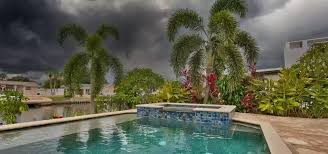
If you live in Port Charlotte, Punta Gorda, North Port, or Rotonda, you’ve probably experienced this: a storm rolls through, and the next morning, your pool’s chlorine levels have dropped to zero — even though you just shocked it.
That mysterious vanishing act is called phantom chlorine demand, and it’s one of the most confusing problems for Florida pool owners. Let’s break down what it is, why it happens after storms, and what you can do to stop it before it ruins your pool chemistry.
Understanding Phantom Chlorine Demand
Phantom chlorine demand happens when your pool “uses up” chlorine faster than usual, but no obvious cause (like algae or high bather load) is visible.
In simple terms:
Your pool looks clean, but something unseen is eating up the chlorine as soon as you add it.
Why It’s Called “Phantom”
Because there’s no visible reason — no green water, no debris, no slime — yet the chlorine test reads zero.
What’s Really Happening
After a storm, microscopic contaminants enter your pool water. These include:
- Organic debris (leaves, pollen, grass, and soil)
- Nitrogen from lightning and rain
- Phosphates washed off roofs and decks
- Ammonia from decaying matter
All of these react with chlorine, causing it to burn off instantly as it tries to sanitize the water.
Storms: The Perfect Setup for Chlorine Loss
Florida’s tropical storms bring more than wind and rain — they bring chemical chaos to pools across Charlotte County.
Here’s What Happens Step-by-Step
- Rain Dilution: Heavy rainfall lowers chlorine concentration by adding large volumes of untreated water.
- Debris Influx: Storm winds push in leaves, grass, and dirt — organic matter that consumes chlorine.
- Ammonia Formation: Organic materials break down, producing ammonia, which reacts with chlorine to form chloramines.
- UV Exposure: After storms, bright Florida sun accelerates chlorine breakdown — especially if cyanuric acid (stabilizer) is low.
The result? You shock the pool, test later, and — boom — chlorine reads zero again.
Recognizing the Signs of Phantom Chlorine Demand
You might be dealing with phantom chlorine demand if you notice:
- Pool water looks clear, but chlorine won’t hold
- Strong chlorine smell (a sign of chloramines, not cleanliness)
- Irritated eyes or skin despite proper pH
- Repeated need for shocking without lasting results
If this sounds familiar, your pool isn’t “losing” chlorine — it’s working overtime fighting invisible contaminants.
How to Fix Phantom Chlorine Demand
Solving phantom chlorine demand takes a strategic approach — not just dumping more shock.
1. Perform a Chlorine Demand Test
You can use a DPD test kit or have a local pool professional in Port Charlotte or North Port perform one.
This test measures how much chlorine is needed to achieve proper sanitation levels.
2. Super-Chlorinate Correctly
Add 10–15 ppm of chlorine to break the chemical bonds in chloramines and eliminate ammonia compounds.
Let the pool circulate for at least 24 hours.
3. Brush and Clean Thoroughly
Even if your pool looks clean:
- Brush walls and steps
- Vacuum debris
- Empty skimmer and pump baskets
These steps remove hidden organic matter that fuels chlorine demand.
4. Balance Other Chemicals
Stormwater often throws pH, alkalinity, and stabilizer off balance. Test and adjust:
- pH: 7.2–7.6
- Alkalinity: 80–120 ppm
- CYA (Stabilizer): 30–50 ppm
Balanced chemistry keeps chlorine active longer.
5. Add Enzymes or Clarifiers
Pool enzymes help break down organic waste before chlorine has to.
Clarifiers help remove microscopic debris through filtration.
Pro Tip: Prevent It Before It Starts
A few smart maintenance habits can save you frustration and money after the next storm:
- Keep a pool cover on during forecasted storms.
- Skim and vacuum right after heavy rain.
- Run your pump longer (8–12 hours) for a day or two post-storm.
- Schedule a professional inspection with Florida Detail to check chlorine efficiency.
Real Example: Port Charlotte Pool Recovery
One homeowner in Rotonda West noticed his pool turning slightly cloudy after a September storm. Despite shocking it twice, chlorine wouldn’t hold.
After testing, the culprit was ammonia buildup from decomposed leaves. Once treated with super-chlorination and enzyme cleaning, chlorine levels stabilized within 24 hours — saving the pool from a full algae bloom.
Why Florida Pools Are Especially Prone
With intense UV exposure, frequent rain, and year-round warm temperatures, Florida pools naturally face higher chlorine demand. Add in:
- Seasonal pollen from palm and oak trees
- Sand and dust from Gulf winds
- High humidity creating organic film on the surface
…it’s easy to see why Charlotte County pools are perfect candidates for phantom chlorine demand after every big storm.
When to Call the Professionals
If your chlorine drops to zero more than twice in a week — even after shocking — it’s time to bring in experts.
At Florida Detail, local technicians specialize in diagnosing water chemistry issues and restoring balance fast.
They serve:
- Port Charlotte
- Punta Gorda
- North Port
- Rotonda West
…and the surrounding Charlotte County area.
Learn more about their pool cleaning services in Charlotte County or schedule a visit through their Contact Page.
More Helpful Reads
- Why Your Pool Filter Clogs After Heavy Florida Rains
- Eco-Friendly Pool Chemicals That Work in Hot, Sunny Seasons
- Automatic Pool Cleaners vs Manual Skimming: What’s Best for North Port Homes
External Resources
- UnlimitedManiac.com – Local SEO and digital growth tips for Florida home service businesses.
- PoolCleaningInPortCharlotte.com – Another trusted name for residential pool maintenance.
- NorthPortPoolCompany.com – Pool care specialists for Sarasota and Charlotte County.
Final Thoughts: Don’t Let Storms Steal Your Chlorine
Phantom chlorine demand can seem mysterious, but it’s simply your pool reacting to the invisible storm debris and chemical shifts Florida weather brings.
With quick post-storm maintenance, balanced chemistry, and help from local experts at Florida Detail, your pool can stay crystal clear — even after the wildest Florida storms.
✅ Call to Action:
If your chlorine disappears after every storm, visit Florida Detail today to find trusted pool service providers in Charlotte County. Keep your pool clean, safe, and ready for sunny days ahead!


