
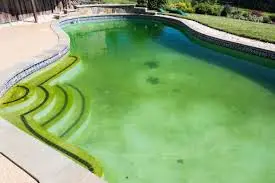
Maintaining a clean, balanced pool in Florida doesn’t have to drain your wallet. With high temperatures and frequent storms in Port Charlotte, Punta Gorda, North Port, and Charlotte County, chemical use can quickly add up. The good news is there are strategies to reduce chemical expenses while keeping water clear, safe, and healthy.
1. Optimize Filtration Before Adding Chemicals
Your pool filter is your first line of defense against debris and particles.
- Run your pump long enough each day to achieve full water turnover.
- Backwash or clean filters as recommended to maximize efficiency.
- Remove leaves and debris manually to reduce organic load.
Local Tip: Florida’s pollen-heavy seasons require more frequent filtration to minimize chemical demand.
2. Maintain Proper Water Chemistry
Balanced water minimizes chemical waste.
- pH: 7.2–7.6
- Alkalinity: 80–120 ppm
- Calcium hardness: 200–400 ppm
- Chlorine: 2–4 ppm
Test water at least weekly and adjust gradually. Sudden chemical shocks can be avoided, saving both money and pool health.
3. Use Stabilizers and Sequestering Agents
- Cyanuric acid protects chlorine from UV degradation, reducing the need for constant addition.
- Metal sequestrants prevent staining and discoloration from iron and copper, avoiding chemical-heavy corrections.
Florida Detail Tip: Pools near Rotonda or coastal areas often benefit from metal sequestrants due to local water mineral content.
4. Shock Strategically Instead of Frequently
Rather than shocking on a rigid schedule, base it on pool use and test results.
- High bather loads, heavy storms, or algae appearance: shock accordingly.
- Over-shocking can lead to chemical waste and high operational costs.
5. Consider Automated or Salt Systems
- Saltwater chlorine generators produce chlorine efficiently, reducing manual chemical costs.
- Automatic feeders or chemical controllers maintain levels precisely, avoiding overuse.
Local Insight: In Punta Gorda and North Port, automated systems help maintain consistency despite Florida’s heat and storms.
6. Regular Cleaning Reduces Chemical Demand
- Skim, vacuum, and brush weekly.
- Remove debris before it decomposes, which would otherwise require extra chemicals to correct.
- Clean pool covers, ladders, and skimmer baskets to reduce organic matter re-entering the water.
7. Use Concentrated Products Wisely
- Concentrated chlorine or shock products are often more cost-effective per gallon than pre-diluted options.
- Follow manufacturer dosing recommendations carefully to avoid overuse.
8. Monitor and Adjust for Seasonal Changes
- Rain, high humidity, and temperature spikes increase chemical demand.
- During dry periods, adjust chemical additions downward to save cost without compromising water quality.
Final Thoughts
Reducing pool chemical costs doesn’t mean cutting corners. By maintaining proper filtration, balancing chemistry, and strategically using products, Florida pool owners can save money and maintain sparkling, healthy water year-round.
For tailored advice or professional service in Charlotte County, check out Florida Detail or consult local resources like PortCharlottePoolService.com.


