Florida’s year-round sunshine and warm weather make pool ownership a joy — but also a challenge when it comes to chemical balance and sanitation. If you live in Port Charlotte, Punta Gorda, North Port, or Rotonda West, you know that heavy UV exposure, frequent rain, and high bather loads can make chlorine levels fluctuate wildly.
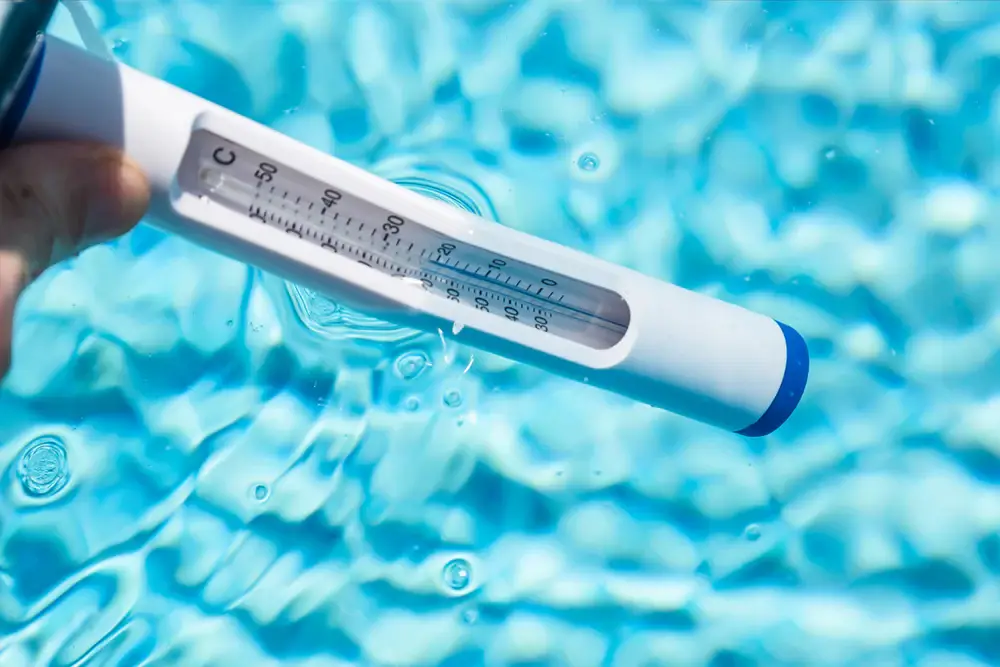
To cut back on harsh chemicals while maintaining crystal-clear water, many Charlotte County pool owners are turning to UV and ozone systems. These modern sanitation technologies can work alongside traditional chlorine, helping reduce overall chemical use and improving water quality.
Let’s explore how they work, their pros and cons, and whether one might be the perfect fit for your Florida pool.
Why Reduce Chemical Dependence?
While chlorine remains the gold standard for disinfection, using too much can cause:
- Strong odors and eye irritation
- Corrosion of pool equipment and surfaces
- Unbalanced water chemistry, leading to cloudy water
- Environmental runoff concerns in coastal Florida communities
By incorporating UV or ozone sanitation, you can maintain healthy water without relying solely on high chlorine doses.
Learn more about eco-friendly pool services at FloridaDetail.com/services.
What Is a UV Pool System?
A UV (ultraviolet) sanitation system uses high-intensity light to neutralize bacteria, viruses, and algae as water passes through a specialized chamber.
How It Works
- Pool water flows through the UV chamber.
- UV light disrupts the DNA of microorganisms.
- Sanitized water returns to the pool — without adding chemicals.
Benefits of UV Systems
- Reduces chemical use by up to 50%
- Kills chlorine-resistant pathogens like Cryptosporidium
- Improves water clarity and reduces odors
- Low maintenance — bulbs typically last 12–24 months
Considerations
- Still requires a small amount of chlorine for residual sanitation
- Needs consistent water flow for effectiveness
- Initial installation cost higher than basic systems
Many Port Charlotte homeowners pair UV systems with saltwater chlorinators for an ultra-clean, low-chlorine experience.
What Is an Ozone Pool System?
An ozone system (O₃) uses a generator to inject ozone gas into the water, where it oxidizes contaminants and kills microorganisms.
How It Works
- Ozone is produced through a UV or corona discharge generator.
- It’s injected into water through a mixing chamber.
- Ozone breaks down organic matter, bacteria, and algae.
- The gas reverts to oxygen — leaving no harmful residue.
Benefits of Ozone
- Up to 90% reduction in chemical usage
- Eliminates chloramines, the cause of “pool smell”
- Extends lifespan of filters and equipment
- Gentle on skin, eyes, and swimsuits
Drawbacks
- Higher upfront cost than UV
- Ozone dissipates quickly, so chlorine or bromine backup is needed
- Requires professional installation and maintenance
For installation help, contact FloridaDetail.com/contact to connect with a trusted Charlotte County pool expert.
UV vs. Ozone: Key Differences
| Feature | UV System | Ozone System |
|---|---|---|
| Main Function | Kills microorganisms | Oxidizes contaminants |
| Chemical Reduction | 30–50% | 70–90% |
| Residual Effect | None | None |
| Maintenance | Replace bulb annually | Check generator regularly |
| Cost Range | $$ | $$$ |
| Best For | Everyday pools | Luxury or high-usage pools |
In Punta Gorda, UV systems are ideal for sunny, outdoor pools; in Rotonda West, ozone systems shine for high-use family or rental properties.
Why Florida Pools Benefit Most
Florida’s unique environment puts pools under constant stress:
- High UV index: Breaks down chlorine quickly
- Heavy rainfall: Dilutes sanitizer and alters chemistry
- Warm temperatures: Promote algae and bacterial growth
- Storm debris: Increases organic load on filters
By adding UV or ozone systems, Charlotte County pool owners can keep their water clean and safe with fewer chemical adjustments — especially valuable for seasonal snowbirds returning to a neglected pool.
Read more about post-storm cleanup at FloridaDetail.com/blog/recovering-your-pool-after-a-flood.
Combining UV & Ozone for Maximum Efficiency
For some homeowners, a hybrid UV + ozone system offers the best of both worlds.
- UV kills microorganisms directly
- Ozone oxidizes organics and clarifies water
- Chlorine serves as a light residual for lasting protection
This trio creates “triple-layer sanitation” — ideal for large or commercial pools in North Port or Port Charlotte neighborhoods with heavy usage.
Maintenance Tips for Alternative Sanitizers
Even with advanced systems, routine care remains essential:
- Test Water Weekly
- Ensure chlorine and pH remain within safe ranges.
- Clean Filters Regularly
- UV and ozone can reduce but not replace filtration.
- Inspect Equipment
- Check bulbs, chambers, and injectors quarterly.
- Balance Water Chemistry
- Proper alkalinity and hardness prevent corrosion.
Find professional maintenance support at https://FloridaDetail.com.
Real Florida Testimonial
“We installed an ozone system in our North Port pool to cut back on chlorine. The water feels softer, smells better, and we’ve used half the chemicals we did last summer!”
— The Reyes Family, North Port
Environmental & Cost Benefits
- Reduced chemical waste protects local waterways in Charlotte Harbor.
- Less corrosion means fewer repairs over time.
- Lower chlorine consumption saves hundreds per year.
Local experts at UnlimitedManiac.com note that UV and ozone upgrades can improve property value while supporting eco-friendly pool care.
Final Thoughts
Choosing between UV and ozone systems depends on your goals and budget.
- Want low-maintenance clarity? Go with UV.
- Prefer maximum chemical reduction? Choose ozone.
- For best results, combine them with a light chlorine or salt system for full-spectrum sanitation.
For Port Charlotte, Punta Gorda, North Port, and Rotonda West homeowners, integrating these systems means safer, softer, and clearer water — with less time spent on balancing chemicals.
👉 Visit https://FloridaDetail.com today to explore eco-friendly pool system upgrades or connect with a trusted local pool service in Charlotte County.


