Owning a pool in Florida means enjoying sparkling water almost year-round—but it also means battling constant sunshine, heat, and unpredictable thunderstorms. One often-overlooked factor in pool care is cyanuric acid (CYA), also known as a “stabilizer” or “conditioner.”
In Port Charlotte, Punta Gorda, North Port, Rotonda, and across Charlotte County, CYA plays a critical role in keeping chlorine effective under the intense Florida sun. Understanding how it works and how to balance it properly can mean the difference between a clear, healthy pool and a frustrating algae bloom.
Why Cyanuric Acid Matters in Florida
Florida’s climate is unique:
- Over 230 days of sunshine each year in cities like North Port and Punta Gorda.
- High UV exposure that burns off chlorine in hours if left unprotected.
- Frequent thunderstorms that dilute pool water and disrupt chemical balance.
Cyanuric acid works as a shield, binding to chlorine molecules and protecting them from the sun’s UV rays. Without it, pools in Charlotte County can lose up to 90% of free chlorine in a single afternoon.
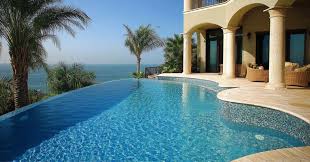
👉 Image idea for this section: A photo of a Florida backyard pool on a sunny day.
📍 Placement: after the first paragraph, before the bullet list above.
How Cyanuric Acid Works
Think of CYA as sunscreen for your pool’s chlorine.
- When chlorine is exposed to sunlight, UV rays quickly break it down.
- Cyanuric acid forms a weak bond with chlorine, slowing the breakdown.
- This keeps chlorine active long enough to sanitize your water effectively.
Too little stabilizer = chlorine burns off fast.
Too much stabilizer = chlorine becomes “locked” and less effective at killing bacteria.
The Ideal CYA Levels for Florida Pools
For outdoor pools in Charlotte County, here’s what most professionals recommend:
- 30–50 ppm (parts per million) for standard backyard pools.
- 60–80 ppm if using saltwater chlorine generators.
Exceeding 100 ppm often leads to “chlorine lock,” where your water stays cloudy and algae thrives despite “normal” chlorine readings.
Common Mistakes Florida Pool Owners Make with CYA
- Adding too much stabilizer
Many store-bought chlorine tablets already contain CYA. Over time, this builds up to unsafe levels. - Not testing often enough
In Port Charlotte and Rotonda, heavy rain in summer dilutes pool water, lowering stabilizer levels rapidly. - Ignoring seasonal shifts
- Snowbirds who close their pools or reduce maintenance in winter often return to off-balance stabilizer levels.
- Summer storms in Punta Gorda demand extra testing.
- Relying on guesswork
CYA isn’t visible—you can’t “eyeball” it. Only a proper pool test kit or professional service can confirm accurate levels.
Best Practices for Managing CYA in Florida
To keep your pool water balanced year-round:
- ✅ Test monthly – especially after heavy rainstorms.
- ✅ Use liquid chlorine when CYA levels are already high (instead of tablets that add more).
- ✅ Dilute by draining/refilling if CYA is too high.
- ✅ Hire local experts in Charlotte County for routine water testing.
👉 Image idea for this section: A close-up of a pool technician testing pool water with a kit.
📍 Placement: before the numbered list above.
Real-World Example from Punta Gorda
A Punta Gorda homeowner recently complained about persistent algae. Their chlorine tests looked fine, but the water stayed cloudy. When tested professionally, their CYA levels were at 180 ppm—three times the recommended amount. The solution? A partial drain and refill to bring the stabilizer back into range.
This example highlights why ongoing professional pool care is essential in Florida’s sunny climate.
Internal & External Links (Blended Naturally)
- Learn more about our pool services for Charlotte County homeowners.
- Check our contact page if you need water testing today.
- Explore related tips on our blog.
- Additional resources from PortCharlottePoolServices.com and NorthPortPoolCompany.com.
- For digital pool service marketing, check UnlimitedManiac.com.
Callout Box: Quick Cyanuric Acid Tips
- Keep levels between 30–50 ppm for most pools.
- Test after every major storm.
- Avoid overuse of stabilized chlorine tablets.
- Call professionals if water stays cloudy despite proper chlorine.
Conclusion
Cyanuric acid is the unsung hero of Florida pools. Without it, chlorine would vanish under the blazing sun. But too much or too little creates costly headaches for homeowners.
If you live in Port Charlotte, Punta Gorda, North Port, Rotonda, or anywhere in Charlotte County, proper CYA management is the key to crystal-clear water.
👉 Call to Action: Don’t guess your pool’s chemistry. Visit Florida Detail today and connect with a trusted local pool service provider to keep your pool sparkling all year long.


