Owning a pool in Florida is a dream come true, especially in areas like Port Charlotte, Punta Gorda, North Port, Rotonda, and Charlotte County, where the sun shines nearly year-round. However, pool owners often face a crucial decision: saltwater or chlorine pools? Each system has its benefits and drawbacks, and understanding them is key to maintaining a safe, sparkling pool that suits your lifestyle.
In this guide, Florida Detail walks you through everything you need to know about choosing between saltwater and chlorine pools in Florida.
H2: Understanding the Basics: Saltwater vs. Chlorine Pools
Before diving into pros and cons, let’s define both systems:
H3: Saltwater Pools
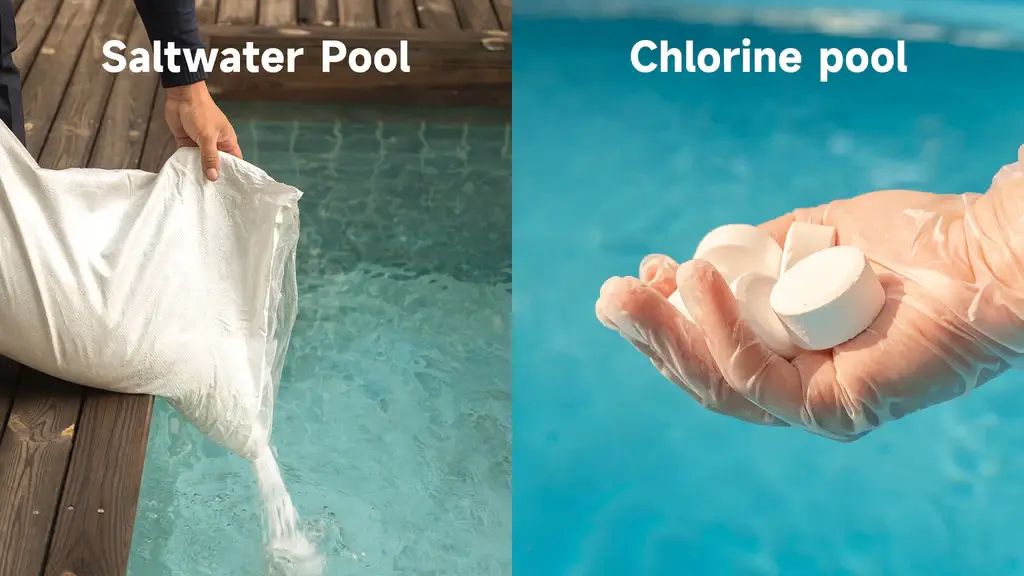
Saltwater pools generate chlorine naturally through a process called electrolysis. Salt is added to the water, which passes through a chlorine generator, keeping the water sanitized. This system offers a gentler swimming experience, often less irritating to skin and eyes.
H3: Chlorine Pools
Traditional chlorine pools require adding chlorine directly to the water in tablets, liquid, or granular form. Chlorine kills bacteria, algae, and other harmful organisms but requires frequent monitoring to maintain proper chemical balance.
H2: Pros and Cons of Saltwater Pools in Florida
H3: Pros
- Softer Water Feel – Less harsh on skin, eyes, and hair, ideal for frequent swimmers in sunny Florida.
- Lower Maintenance – Saltwater systems reduce the need for constant chlorine addition, saving time for busy homeowners in Port Charlotte and Punta Gorda.
- Continuous Chlorination – Automatically generates chlorine, maintaining stable levels during heavy usage or after storms.
- Reduced Odor – Unlike traditional pools, saltwater pools have less of the strong “chlorine smell” common after Florida thunderstorms.
H3: Cons
- Higher Initial Cost – Installing a saltwater system can be 2–3 times more expensive than a traditional chlorine setup.
- Equipment Corrosion – Salt can corrode metal pool parts, pumps, and heaters faster, especially in coastal areas like Rotonda and North Port.
- Specialized Maintenance – While routine care is easier, repairs require technicians familiar with saltwater systems, like Florida Detail pool service experts.
H2: Pros and Cons of Chlorine Pools in Florida
H3: Pros
- Lower Upfront Cost – Chlorine pools are cheaper to install and widely available in Charlotte County.
- Simple System – Standard pumps, filters, and chlorinators make maintenance straightforward for local service companies.
- Flexibility in Treatment – Chlorine can be adjusted quickly to manage algae blooms, heavy rains, or high bather loads.
- Durable Equipment – Less risk of corrosion compared to saltwater setups.
H3: Cons
- Skin & Eye Irritation – High chlorine levels can irritate skin and eyes, especially during hot Florida summers.
- Frequent Maintenance – Requires regular monitoring and addition of chlorine, especially after storms or algae outbreaks.
- Strong Odor – Chlorine pools often have a noticeable “pool smell,” which some find unpleasant.
H2: Key Considerations for Florida Pool Owners
When choosing between saltwater and chlorine pools, consider:
- Budget – Upfront installation vs. long-term chemical costs.
- Maintenance Commitment – How much time can you dedicate to testing, cleaning, and balancing your pool?
- Climate Factors – Florida storms, heavy sun, and algae-prone conditions can impact both systems.
- Equipment Longevity – Consider potential corrosion and wear on pumps, heaters, and filters.
- Lifestyle – Families with kids or frequent swimmers may prefer saltwater for comfort.
Callout: Florida homeowners often underestimate Florida’s sun intensity and seasonal algae growth, which can impact chlorine demand and pool balance.

H2: Tips to Maintain Either Pool System
H3: Saltwater Pools
- Regularly check salt levels and chlorine output.
- Inspect the chlorine generator for scale buildup.
- Monitor pH and alkalinity weekly to prevent corrosion.
H3: Chlorine Pools
- Test chlorine and pH levels at least twice a week.
- Shock the pool periodically to kill bacteria after storms.
- Keep the water balanced to prevent algae blooms.
H2: Local Expert Advice
Partnering with local pool service providers ensures your pool stays safe and sparkling. Florida Detail offers pool cleaning in Charlotte County and surrounding areas, including Port Charlotte, Punta Gorda, and North Port. Professional maintenance helps prevent:
- Algae growth
- Equipment failure
- Skin and eye irritation
- Costly repairs after Florida storms
For additional marketing and pool care resources, visit UnlimitedManiac.com to stay updated on best practices.
H2: Final Verdict
Both saltwater and chlorine pools have their place in Florida homes. Your choice should reflect:
- Budget considerations
- Maintenance capacity
- Climate exposure
- Personal swimming preferences
No matter your choice, regular professional maintenance from trusted providers like Florida Detail can maximize your pool’s lifespan and enjoyment.
H2: Conclusion: Keep Your Florida Pool Sparkling
Whether you choose a saltwater or chlorine pool, regular care, chemical balance, and local expertise are key. Homeowners in Port Charlotte, Punta Gorda, North Port, Rotonda, and Charlotte County can enjoy a safe, crystal-clear pool year-round with professional assistance.
✅ Explore our Services and Contact pages to connect with a local pool service provider today. For more detailed guides, browse our other blog posts and learn how to protect your investment while enjoying Florida’s sunny weather.
Internal Links:
External Links:
- Florida Detail
- pool cleaning in Charlotte County
- UnlimitedManiac.com
- PortCharlottePoolService.com


