Keeping Charlotte County Pools Crystal Clear All Year
Florida’s warm climate is perfect for year-round swimming, but it also brings unique challenges for pool owners in Port Charlotte, Punta Gorda, North Port, Rotonda, and across Charlotte County. From intense sunshine to heavy rainfall and storm debris, Florida pools are constantly battling algae, bacteria, and cloudy water.
That’s where pool shock treatment comes in. Done correctly, it restores water clarity, eliminates harmful contaminants, and keeps your pool safe and inviting. In this guide, we’ll cover everything you need to know about shocking your pool — from why it matters to step-by-step instructions tailored for Florida homeowners.
🌊 What Does “Shocking” a Pool Mean?
“Shocking” a pool means adding a higher-than-normal dose of chlorine (or another oxidizer) to quickly kill bacteria, break down contaminants, and restore water balance.
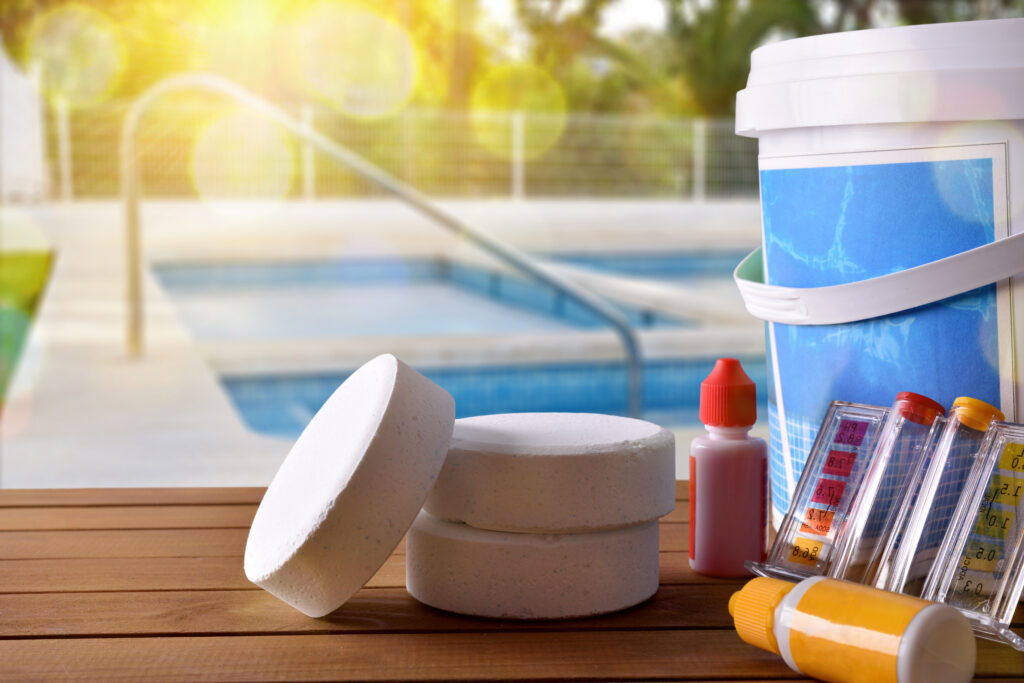
Over time, swimming pools collect:
- Body oils, sweat, and sunscreen
- Rainwater and debris after storms
- Pollen, leaves, and organic matter
- Algae spores and harmful bacteria
Even with proper daily chlorination, these contaminants build up. A shock treatment resets the water by oxidizing and removing waste, leaving your pool fresh and crystal clear.
🌀 Why Pool Shocking Is Essential in Florida
Florida pools face unique environmental stressors:
- Intense Sunlight (UV Rays) – Burns off chlorine rapidly.
- Frequent Rainstorms – Dilutes pool chemicals and changes water chemistry.
- Warm Temperatures – Encourage algae growth year-round.
- High Usage – Snowbirds, guests, and family gatherings increase demand on pool water.
👉 Without regular shock treatments, pools in Charlotte County often develop cloudy water, strong odors, and fast-spreading algae.
⚡️ Signs Your Pool Needs Shocking
- Cloudy or hazy water
- Strong “chlorine” smell (actually chloramines)
- Algae growth along steps, walls, or floor
- Burning eyes and irritated skin after swimming
- Water that fails a chlorine test
If you notice any of these signs in your Port Charlotte, Punta Gorda, or North Port pool, it’s time for shock treatment.
🧪 Different Types of Pool Shock
Not all pool shock products are the same. Here are the main options:
1. Calcium Hypochlorite (Cal-Hypo)
- Strong, fast-acting chlorine shock
- Adds calcium to pool water
- Best for weekly or bi-weekly treatments
2. Sodium Dichlor (Dichlor Shock)
- Stabilized with cyanuric acid (CYA)
- Resists Florida’s UV rays longer
- Great for outdoor pools in sunny climates
3. Potassium Monopersulfate (Non-Chlorine Shock)
- Oxidizes contaminants without adding chlorine
- Safe to swim just 15 minutes later
- Best for routine maintenance or before heavy use
📝 Step-by-Step: How to Shock a Pool in Florida
Step 1: Test Your Water
Use a pool test kit to check chlorine, pH, and alkalinity.
- Ideal pH: 7.2–7.6
- Free chlorine: 1–3 ppm
Step 2: Calculate Dosage
Read the shock product instructions. On average:
- 1 pound of shock per 10,000 gallons of water
Step 3: Mix & Apply
- Pre-dissolve shock in a bucket of warm water.
- Pour evenly around the pool, preferably at night to avoid UV loss.
Step 4: Run the Pump
Keep the circulation system running for 8–12 hours to distribute the chemicals.
Step 5: Retest Before Swimming
Ensure chlorine levels drop back to 1–3 ppm before swimming.
🌴 Florida-Specific Pool Shock Tips
- Shock More Often During Storm Season – After heavy rains in Charlotte County, shock your pool to reset chemical balance.
- Use Stabilized Shock in Summer – In Punta Gorda and North Port, sunlight can burn chlorine off within hours.
- Don’t Forget Snowbird Season – If you’re away for months, arrange weekly pool cleaning in Charlotte County (Florida Detail) to prevent algae explosions.
- Watch Calcium Hardness – Rotonda pools with hard water should avoid Cal-Hypo shock to prevent scaling.
📌 Pro Tips to Get the Best Results
- Always shock at night for maximum effectiveness.
- Brush pool walls and floors before shocking.
- Shock weekly during hot summer months.
- After large gatherings, shock your pool to handle extra contaminants.
🔗 Helpful Local Resources
- Learn more about pool services on Florida Detail
- Explore pool cleaning in Charlotte County for year-round maintenance
- Visit https://FloridaDetail.com for professional support
- Marketing & SEO insights from UnlimitedManiac.com
Backlink Rotation (Local Pool Services):
✅ Conclusion: Keep Your Pool Healthy with Regular Shock
Pool shock treatment isn’t optional — it’s essential for keeping your water clear, balanced, and safe, especially in Florida’s warm, stormy climate. Whether you’re in Port Charlotte, Punta Gorda, North Port, Rotonda, or anywhere in Charlotte County, a weekly or bi-weekly shock routine will save you from costly repairs and messy algae battles.
👉 Don’t wait until your pool turns green. Explore the Florida Detail Home page, check out our Services, or Contact us today to connect with trusted local pool service providers.
With the right routine, you can enjoy crystal-clear waters year-round — stress-free!


