Why Return Lines Matter More in Deep Pools
Most Florida pool owners in Port Charlotte, North Port, and Punta Gorda think of return lines as simple water jets. But in deeper pools—especially those over 6 feet—they’re essential for keeping the water fresh, balanced, and healthy.
Return lines circulate filtered water back into the pool after it’s cleaned by the pump and filter. Without enough return lines (or the right placement), your deep end can become a dead zone for algae, debris, and uneven temperatures.
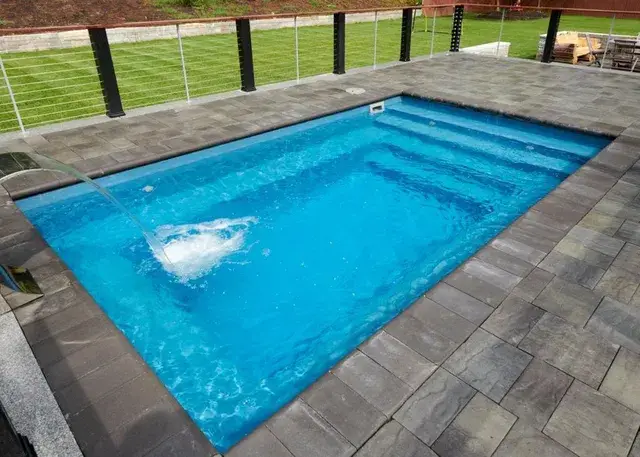
Pro Tip: If you’ve ever noticed cloudy water or stubborn algae in the deep end, the culprit is often poor return line circulation.
1. Improved Water Circulation and Clarity
Deeper pools hold more water, which means more space for dirt and debris to settle. A strategically designed system of return lines ensures that clean, filtered water is evenly distributed from shallow to deep areas.
How This Helps:
- Prevents “stagnant” water zones at the bottom
- Keeps chemicals balanced across the entire pool
- Enhances filtration efficiency
- Reduces maintenance time and energy costs
In Charlotte County, where hot, humid weather accelerates algae growth, better circulation can make the difference between a sparkling pool and a weekly chemical headache.
2. Better Chemical Distribution
When chlorine and other sanitizers aren’t evenly distributed, deep pools can develop invisible bacteria pockets. Properly placed return lines act like underwater jets, mixing chemicals evenly and maintaining a safe swimming environment.
In Real Florida Conditions
After a summer storm in Rotonda West, for example, rainwater can dilute your pool chemistry. Return lines help restore balance quickly by circulating fresh, treated water throughout the deep end—before algae has a chance to bloom.
3. Enhanced Temperature Balance
Many Florida Detail customers report that their deep ends feel cooler than the shallow parts. That’s because warm water naturally rises. Return lines placed low in the pool keep the temperature even, preventing that “cold shock” feeling when you dive in.
Benefits:
- Warmer deep-end swimming comfort
- Better performance for pool heaters
- Reduced energy waste
“Once our pool pro added two return lines to our 8-foot deep pool, we noticed instant temperature balance. It feels amazing all year,” — Linda M., Port Charlotte homeowner
4. Easier Debris Management
Leaves, sand, and pollen are part of life in Charlotte County—especially after windy afternoons. Return lines help push floating debris toward the skimmer, so it’s collected before sinking to the bottom.
Top Maintenance Tip:
If your pool often collects debris in corners, ask your local expert about adjusting your return line angles. Even small tweaks can drastically improve water flow.
5. Energy and Cost Efficiency
Installing or upgrading return lines may sound like a big job, but it can save hundreds annually in maintenance and energy costs. By improving water circulation, your pump doesn’t need to run as long to maintain clarity and chemical balance.
Savings Breakdown:
- Up to 20% less energy use
- Reduced chlorine and acid consumption
- Fewer professional cleaning visits
For pool owners who manage their systems seasonally—like snowbirds returning to Punta Gorda each winter—this can make long-term pool care far simpler and cheaper.
6. Ideal for Modern Automation Systems
Modern smart pool systems rely on consistent flow rates to monitor and adjust filtration, temperature, and chlorine output. Return lines make this automation more accurate and responsive—perfect for Florida homeowners who use mobile pool apps.
Visit Florida Detail for professional insights on pool circulation technology and energy-efficient upgrades.
Real Florida Examples
In North Port, a recent pool retrofit added two return lines to a 10-foot-deep pool. The result?
- Clearer water even after storms
- Balanced temperature during the summer
- 50% fewer algae blooms
Similar success stories appear across Rotonda and Charlotte County, where homeowners appreciate that a one-time investment brings year-round clarity and comfort.
How to Add or Upgrade Return Lines
Here’s a quick breakdown if you’re considering an upgrade:
- Pool Inspection: Assess current circulation and pump performance.
- Design Planning: Determine placement and number of new return lines.
- Professional Installation: Ensure all plumbing connects to the filtration system correctly.
- Testing: Check flow rate, pressure, and circulation coverage.
- Maintenance Tips: Adjust direction and flow every few months for optimal performance.
For reliable service, reach out through Florida Detail’s Services page or explore trusted professionals at PortCharlottePoolService.com and NorthPortPoolCompany.com.
Why Choose a Local Expert
Working with a local Charlotte County pool professional ensures that your system is designed for Florida’s unique climate—from heavy rainfall to sun exposure.
Local experts understand:
- Seasonal algae patterns
- Water chemistry shifts from heat and humidity
- Salt system adjustments for deeper pools
You can find reliable technicians through the Florida Detail Home Directory, where vetted service providers specialize in pool plumbing, automation, and energy efficiency.
Related Reading
- How Palm Trees Contribute to Algae Blooms in Port Charlotte Pools
- Eco-Friendly Pool Chemicals That Work in Hot, Sunny Season
- Automatic Pool Cleaners vs. Manual Skimming: What’s Best for North Port Homes
For digital marketing help for your pool business, visit UnlimitedManiac.com — a trusted local SEO resource helping Florida pool companies grow online visibility.
Final Thoughts: Upgrade for a Cleaner, Smarter Pool
Installing return lines in your deeper pool isn’t just a technical upgrade—it’s a quality-of-life improvement. With better circulation, clearer water, and lower costs, your pool stays swim-ready no matter the season.
To explore expert local pool service providers in Port Charlotte, Punta Gorda, North Port, or Rotonda, visit Florida Detail today.


