
While Florida’s winters are mild compared to northern states, cold snaps can still cause problems for local pool owners — especially in Port Charlotte, North Port, and Rotonda. When temperatures dip below freezing, even briefly, pool plaster and tile surfaces can contract and expand. Over time, this freeze–thaw stress may lead to hairline cracks, delamination, or surface flaking.
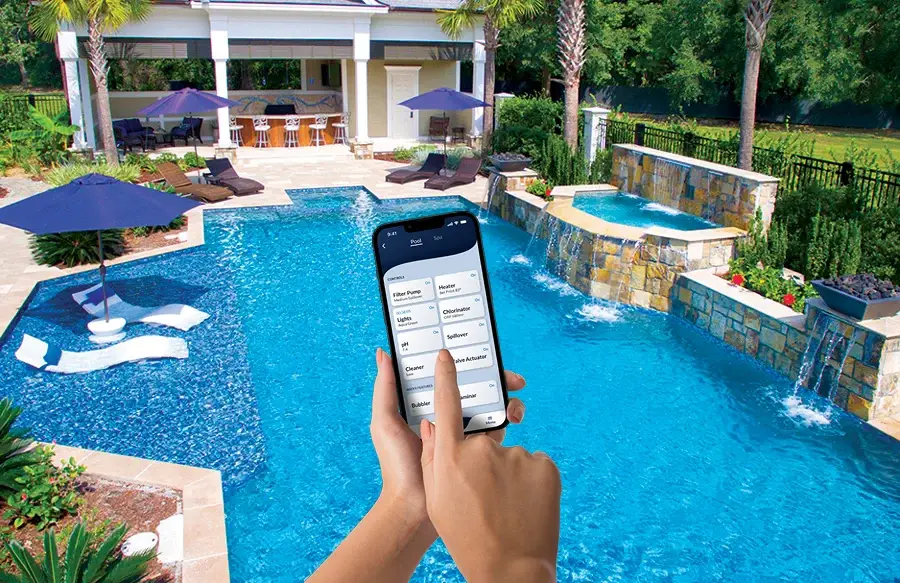
In this blog, we’ll explore how to protect your pool’s surface, recognize early warning signs of cracking, and implement maintenance strategies that keep your investment looking smooth year-round.
Understanding Florida’s Rare Freeze–Thaw Events
Although Charlotte County sits comfortably in USDA Zone 10A, short cold spells can still occur during January or February. These overnight drops often follow cold fronts sweeping down the peninsula.
If your pool’s water temperature falls below 40°F and the air temperature dips below 32°F, any exposed plaster or waterline tile becomes vulnerable to freeze contraction. The risk increases if your pool’s circulation is off or the water level is low.
In areas like North Port or Rotonda West, where backyard pools are exposed to open air and occasional frost, even light freezing can create enough stress to cause long-term wear.
According to FloridaDetail.com, freeze–thaw damage is most common in unheated or neglected winter pools — especially when plaster is already aging or porous.
How Freeze & Thaw Damages Pool Plaster
When plaster is exposed to freezing temperatures, trapped moisture in the pores of the surface expands as it turns to ice. When it thaws, it contracts again, causing micro-fractures. Over repeated cycles, those fractures widen and result in visible cracks or scaling.
Common signs include:
- Fine spiderweb cracks on steps or benches
- Chalky residue (efflorescence) along the waterline
- Pitting or spalling on the plaster surface
- Uneven coloration or rough texture
In Port Charlotte, these issues may appear after one or two unusually cold winters, particularly in older pools built before 2010.
Step-by-Step Prevention Guide
Even though hard freezes are rare, being proactive ensures your pool stays pristine through every season.
🥶 Step 1: Keep Water Levels Consistent
Maintaining the correct water level helps stabilize temperature and reduces direct air exposure. Always keep the waterline midway up the skimmer.
If the water level drops, plaster near the surface can freeze faster than submerged sections, causing differential stress.
💧 Step 2: Run the Circulation System Overnight
If a freeze warning is issued for Charlotte County, turn on your pool pump overnight.
Flowing water doesn’t freeze easily. Running the system for several hours maintains a steady temperature and prevents surface freezing.
Pro Tip from FloridaDetail.com: Set your timer to cycle continuously during cold nights or activate “freeze mode” if your automation system has one.
🧱 Step 3: Use a Pool Blanket or Solar Cover
A high-quality pool cover traps residual heat, limits evaporation, and prevents direct exposure to frost.
If your pool is unheated, this can make the difference between a 38°F and 33°F surface — enough to stop ice from forming.
Choose covers designed for in-ground pools, and make sure they fit tightly around steps and corners.
🧂 Step 4: Balance Water Chemistry All Winter
Balanced water chemistry prevents etching, scaling, and weakening of plaster — all factors that make cracks more likely when temperatures drop.
Maintain these levels:
- pH: 7.4–7.6
- Total Alkalinity: 80–120 ppm
- Calcium Hardness: 200–400 ppm
Low calcium levels, in particular, can cause plaster leaching, making the surface more porous and vulnerable during freeze events.
Check water chemistry monthly, even when the pool isn’t in heavy use.
🔍 Step 5: Inspect for Hairline Cracks Early
Regular inspection during winter can help you catch minor issues before they expand.
Look for:
- Tiny cracks radiating from returns or steps
- Rough patches near tile lines
- Discoloration in shaded corners
If you spot any, schedule a quick inspection or resurfacing consultation with a local pool expert such as Florida Detail.
🧰 Step 6: Use Pool-Safe Sealants
For small, non-structural cracks, a flexible underwater sealant can prevent water intrusion and freeze expansion.
Products like silicone-based sealers or acrylic caulks rated for pool use can be applied along affected areas.
Never use standard caulks or adhesives — they often fail under chlorine and UV exposure.
For extensive cracking or hollow spots, consult a licensed contractor.
🌡️ Step 7: Consider a Heat Pump or Freeze Protection Sensor
If your home is in a slightly cooler area or near open fields in North Port or Rotonda, installing a heat pump can help maintain a minimum water temperature year-round.
Many modern pumps and automation systems include freeze sensors, which automatically turn on circulation when temperatures approach 36°F.
This not only prevents ice formation but also keeps plaster at a stable temperature.
🧽 Step 8: Avoid Draining During Cold Weather
Never drain your pool when a cold front is forecast. Exposed plaster can freeze faster than submerged sections, and without hydrostatic pressure, it’s more prone to cracking or popping.
If resurfacing or draining is necessary, schedule it between April and September when conditions are stable.
Real-World Example: Rotonda West
A homeowner in Rotonda West noticed fine cracks on their shallow end steps after an unexpected cold snap in early 2022. The cause? Their pool heater had been off for months, and the water level had dropped 6 inches.
After working with a Florida Detail technician, they installed a freeze sensor, added calcium to correct water balance, and resealed the affected area. No further cracking occurred.
This case highlights how simple maintenance and quick professional help can save thousands in resurfacing costs.
When to Call a Professional
Not all cracks are equal. If you notice:
- Cracks longer than 6 inches
- Flaking or hollow spots
- Rapidly expanding fissures
Contact a licensed resurfacing contractor immediately. These could signal substrate movement or delamination requiring professional repair.
You can request a local inspection via FloridaDetail.com/contact or explore Services for plaster repair and freeze protection maintenance.
For additional reading, visit:
- PortCharlottePoolServices.com
- NorthPortPoolCompany.com
- UnlimitedManiac.com for digital home service marketing resources.
Final Thoughts
While hard freezes are rare in Charlotte County, it pays to be prepared. Simple steps — like keeping your pump running, using a pool cover, and monitoring chemistry — can prevent plaster cracking and extend your pool’s lifespan.
A little winter attention now means fewer repairs, smoother surfaces, and crystal-clear water when spring returns.
👉 Visit https://FloridaDetail.com to connect with trusted local pool professionals in Port Charlotte, Punta Gorda, North Port, and Rotonda West today.


