Owning a pool in Florida is one of life’s greatest joys — especially in sunny communities like Port Charlotte, Punta Gorda, North Port, and Rotonda. But along with relaxation comes responsibility. One of the most common (and costly) issues Florida pool owners face is undetected pool leaks.
A small leak may seem harmless at first, but over time it can waste thousands of gallons of water, skyrocket your utility bills, and even damage your pool’s structure. The good news? You don’t always need high-tech tools to figure out if your pool is leaking. With a few simple tests, you can catch leaks early before they drain your wallet.
Why Pool Leaks Are Common in Charlotte County
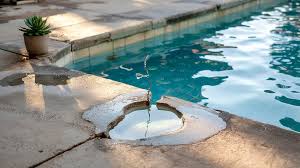
Florida’s weather is a blessing and a curse. Constant sunshine, summer storms, and fluctuating groundwater levels in Charlotte County put pools under extra stress. Over time, cracks, worn seals, and plumbing problems become inevitable.
Some of the most common causes of leaks in Port Charlotte and North Port pools include:
- Cracked tiles or concrete
- Worn-out skimmer gaskets
- Damaged underground pipes
- Loose fittings around returns or lights
- Settling from Florida’s sandy soil
👉 Regular inspection and quick leak detection can save homeowners in Punta Gorda and Rotonda hundreds (if not thousands) in repairs.
Signs You Might Have a Pool Leak
Before testing, look for these common warning signs:
- Water loss greater than ¼ inch per day (normal evaporation)
- Cracks or soggy spots around the pool deck
- Air bubbles in return lines
- Pool needing more frequent refills
- Unexpected algae growth (caused by untreated water entering the pool)
If you notice one or more of these, it’s time to try some DIY leak detection tests.
H2: Simple At-Home Tests for Pool Leak Detection
You don’t need expensive equipment to confirm whether your pool is leaking. These tried-and-true methods work well for Charlotte County homeowners.
H3: 1. The Bucket Test
One of the easiest and most accurate DIY methods.
Steps:
- Fill a bucket with pool water (about three-quarters full).
- Place the bucket on a pool step, making sure the water inside is at the same level as the pool.
- Mark both levels with tape.
- Leave the bucket for 24 hours without swimming or adding water.
- Compare the two levels.
👉 If the pool water level drops more than the bucket water, you likely have a leak.
H3: 2. The Dye Test
Perfect for spotting leaks around fittings, drains, and cracks.
Steps:
- Turn off the pool pump to still the water.
- Fill a syringe with food coloring or pool dye.
- Squirt dye near suspected leak areas (skimmer, returns, lights).
- Watch closely. If dye is drawn into a crack or gap, that’s the leak location.
H3: 3. Overnight Water Loss Test
Sometimes the simplest method is the most telling.
- Mark the water level at night.
- Leave the pump off.
- Check in the morning.
- If the water drops significantly overnight, the leak is confirmed.
H3: 4. Check the Equipment Pad
Leaks aren’t always in the pool shell itself. Examine:
- Pump seals
- Filter connections
- Valves and plumbing lines
Even small drips here can account for gallons lost each day.
Local Florida Examples
- A Rotonda homeowner reported losing two inches of water per day. The culprit? A cracked return fitting hidden behind the pool wall.
- In North Port, a snowbird returned after 6 months to find half their pool empty. A bucket test confirmed a skimmer gasket leak.
Real-life stories like these highlight why early detection is critical.
H2: Why Leak Detection Matters in Charlotte County
Ignoring a leak can lead to:
- Higher water bills (and wasted Florida resources)
- Increased chemical costs
- Damage to pool decks and landscaping
- Risk of sinkholes due to saturated soil
Professional help may be required if DIY tests confirm leaks. Visit Florida Detail to connect with trusted pool service providers near you.
H2: When to Call a Professional
If your tests confirm a leak but you can’t pinpoint the location, it’s time to call an expert. Companies in Port Charlotte and Punta Gorda use specialized tools like electronic listening devices and pressure testing to find hidden leaks.
Check out PoolServiceInPortCharlotte.com or NorthPortPoolCompany.com for reliable detection services.
H2: Preventing Future Leaks
Once fixed, you’ll want to avoid repeating the same problems.
Tips for prevention:
- Schedule annual professional inspections
- Keep water chemistry balanced
- Repair cracks promptly
- Protect plumbing during storms
- Hire local experts for regular pool cleaning in Charlotte County
For ongoing tips, resources, and pool industry news, visit UnlimitedManiac.com.
Conclusion
From sunny days in Port Charlotte to seasonal pool use in Punta Gorda, leaks are one of the most expensive problems Florida pool owners face. Luckily, with simple DIY tests like the bucket test and dye test, you can spot leaks early and avoid costly repairs.
👉 Explore more pool care tips and connect with trusted service providers today at Florida Detail. Don’t let hidden leaks drain your wallet — act now and protect your backyard oasis.


