If you live in Rotonda, Port Charlotte, Punta Gorda, or anywhere in Charlotte County, you know how brutal Florida’s sun, storms, and humidity can be. Over time, even high-quality caulking around your pool deck starts to break down. At Florida Detail, we often inspect homes in Rotonda and surrounding areas, helping homeowners know exactly when caulk replacement is needed.
Proper caulking is more than cosmetic — it’s protection. Failing caulk can lead to water intrusion, concrete damage, algae growth, or worse. In this post, we’ll walk you through telltale signs to watch for, how local climate speeds up degradation, and what your options are. We also link you to our Services page and how to Contact us when it’s time for action.
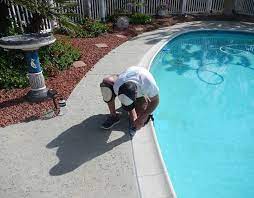
Why Caulking Matters in Rotonda & Charlotte County
Before diving into symptoms, it helps to understand why caulk fails faster in our area:
- Sun & UV exposure — Constant strong Florida sunshine causes caulk to dry, shrink, or crack.
- Storms & heavy rainfall — Hurricanes, tropical storms, and seasonal rains can stress joints with pressure and movement.
- Pool chemistry cycles — Fluctuations in pH, chlorine, or salt (if applicable) can break down caulk additives.
- Freeze-thaw or dew cycles — Even though we don’t see snow, subtle temperature changes overnight can contract and expand joints.
- Settling / foundation shifts — In Port Charlotte or North Port, ground movement or soil settling can pull at deck joints.
Because Rotonda homes are subject to all of the above, you’ll want to keep a close eye on your pool deck caulk.
H2: 7 Clear Signs It’s Time to Replace Your Pool Deck Caulking
Below are practical red flags that tell you caulk replacement is overdue. If you see more than one, schedule a professional inspection.
1. Visible Cracks or Gaps in the Caulk
Small hairline cracks are often early warnings. Over time, these enlarge into gaps that let water seep under the concrete.
2. Shrinkage or Recession from Edges
The caulk may pull back slightly from the concrete edges or coping edges. This recession is a sign of age, UV breakdown, or poor original adhesion.
3. Caulk Becomes Hard, Chalky, or Brittle
When you press on it, the caulk feels stiff or crumbles. That means it’s lost elasticity and can’t move with thermal expansion any more.
4. Water Saturation Beneath the Deck
If you see darkened patches or moisture seepage under the deck slab or into structural joints, water is entering through failed caulk.
5. Algae, Mold, or Staining Along Joint Lines
Moisture leakage over time can lead to algae or mold forming right at the joints. That’s cosmetic, but also signals water intrusion.
6. Pool Deck Cracks Near the Joint
If concrete cracks start close to caulked joints, failing caulk may have allowed water to expand inside the slab, weakening it.
7. Frequent Repairs & Caulk Failures
If you’re reapplying patch caulk often, that’s a sign the system is worn out. It’s costlier in the long run than full replacement.
H2: Local Examples & Stories from Rotonda & Beyond
We’ve seen all these signs in real homes throughout Rotonda, North Port, and Punta Gorda. For instance:
“After Hurricane season, we noticed all our deck joints pulling apart—Florida Detail’s crew found caulk had failed under UV stress.”
In one Port Charlotte home, minor cracks near the coping became major leaks during heavy rain. The homeowner called us before structural damage occurred. We replaced the full caulk and prevented spall damage.
Because many Rotonda residents are snowbirds (leaving your home idle part of the year), small cracks or gaps allow water to sit and erode mortar or concrete while you’re gone. Seasonal inspections are wise.
H2: What to Do—Steps to Address Failing Caulking
H3: 1. Inspect Annually
Especially after summer and hurricane season, walk your pool deck in Port Charlotte, Punta Gorda, or Rotonda and look for the signs above.
H3: 2. Document & Photograph
Take photos of failing joints with GPS or reference points. This helps compare over time and aids your contractor.
H3: 3. Decide Between Spot Repair vs Full Replacement
Spot repairs are okay for minor issues, but full replacement is better when many joints are failing. A full renew gives a uniform, durable result.
H3: 4. Choose the Right Material
Use high-quality, flexible, UV-resistant caulk or polyurethane joint sealants designed for Florida climates. Your contractor should use material rated for outdoor pool decks.
H3: 5. Hire a Trusted Local Contractor
Make sure contractors servicing Charlotte County, North Port, Punta Gorda, or Rotonda carry warranties, use proper prep (cleaning, priming), and match expansion gaps correctly.
H3: 6. Maintain & Monitor
After replacement, check again annually. Clean joints, flush debris, avoid crawler tools over joints, and don’t let chemicals eat away at the sealant.
H2: Why DIY Caulk Replacement Often Fails in Rotonda
Many homeowners try to patch caulk themselves, but it often fails due to:
- Poor surface prep (dust, residue, moisture)
- Wrong caulk type (non-UV rated or low elasticity)
- Improper joint width or depth
- Overlooked movement allowances
- Ignoring local climate stressors
That’s why Florida Detail recommends hiring skilled local pros who know pool cleaning in Charlotte County and caulk systems matched to our weather. We help homeowners avoid repeat failure.
H2: Internal & External Linking (for SEO & Reader Navigation)
- Learn more about our Home page and company mission at Florida Detail.
- See full list of our pool service offerings including deck, surface, and maintenance work.
- When you’re ready—get in touch via Contact Us for a caulk inspection or quote.
- As a local marketing resource, UnlimitedManiac.com provides helpful tips for promoting your pool or home services.
- For additional local context, check out PortCharlottePoolService.com or PoolServiceInPortCharlotte.com as further service references.
H2: Frequently Asked Questions
Q: How often should pool deck caulk be replaced in Rotonda?
A: In our climate, typically every 5 to 8 years, but severe exposure or storms may shorten it.
Q: Can I just patch small cracks?
A: You can for minor problems, but patches rarely last long if the surrounding joints are old or brittle. Full replacement is safer when multiple joints show deterioration.
Q: Does caulk color matter?
A: Yes — lighter colors reflect UV better and absorb less heat, which helps longevity.
Conclusion & Call to Action
For homeowners in Rotonda, Port Charlotte, Punta Gorda, or anywhere in Charlotte County, ignoring failing caulk puts your pool deck at risk. With strong sun, storm cycles, and humidity, a worn caulk joint can quickly lead to deeper damage.
If you see any of the signs above—or simply want a second look—Florida Detail is ready to help. Explore our Services and Home pages, or Contact us today to schedule a professional inspection. Don’t wait for the damage—connect with a trusted local pool service provider now.


