
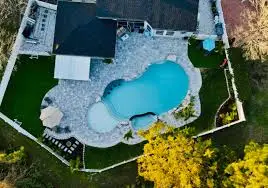
As cooler weather approaches in Charlotte County, many pool owners in Port Charlotte, Punta Gorda, North Port, and Rotonda start considering how to properly shut down their saltwater systems for the winter. Whether you’re a full-time resident or a seasonal snowbird heading north, protecting your salt system during months of low use is essential to prevent corrosion, mineral buildup, and costly repairs.
This guide walks you through step-by-step strategies for safe salt system winter storage — ensuring your pool equipment stays in top shape and ready for next season.
Why Winterizing Your Salt System Matters
Even though Southwest Florida winters are mild, pool water chemistry can fluctuate dramatically when temperatures drop or when the system runs less often.
Without proper storage, you risk:
- Corrosion of cell plates from salt and mineral deposits
- Scale buildup inside the generator
- Frozen plumbing or damage in rare cold snaps
- Reduced lifespan of your salt cell and sensors
Taking a few preventative steps now can save you hundreds in replacement costs later.
💡 Did you know? Even when idle, residual saltwater can corrode metal components if not flushed and stored correctly.
Step 1: Turn Off and Disconnect the Salt Chlorine Generator
Before beginning winter prep, power down your salt chlorine generator (SCG). Most systems have a dedicated control panel or switch.
How to Disconnect Properly
- Turn off power to the SCG and pool pump.
- Unplug or disconnect the cell’s electrical cord.
- Remove the salt cell from its housing carefully.
- Drain any remaining water to prevent stagnation.
If you’re unsure about disassembly, consult your owner’s manual or reach out to a certified technician from Florida Detail for guidance.
Step 2: Clean the Salt Cell Thoroughly
A clean salt cell ensures you won’t face startup issues next season.
Cleaning Steps
- Mix a 1:4 ratio of muriatic acid to water in a plastic container.
- Submerge the cell for no more than 15 minutes — just until bubbling stops.
- Rinse thoroughly with fresh water.
- Inspect plates for calcium or scale deposits.
For eco-friendlier alternatives, you can use vinegar or cell-cleaning solutions available at UnlimitedManiac.com.
⚠️ Always wear gloves and goggles when handling acids or cleaners.
Step 3: Store the Cell in a Dry, Safe Location
Once clean and dry, store your salt cell indoors — ideally in a cool, ventilated area away from sunlight or extreme temperatures.
Storage Tips
- Place the cell in a plastic bag or box to protect terminals.
- Keep it upright to avoid damaging plates.
- Avoid leaving it outdoors, even if covered.
If you’ll be gone for several months, disconnect your pool automation controller or set it to “off-season” mode.
Step 4: Balance Pool Water Chemistry
Just because the salt system is off doesn’t mean water balance stops mattering. Poor chemistry during the winter can cause staining, scale, or algae growth that’s hard to fix later.
Ideal Winter Balances
| Parameter | Recommended Range |
|---|---|
| pH | 7.4–7.6 |
| Total Alkalinity | 80–120 ppm |
| Calcium Hardness | 200–400 ppm |
| Cyanuric Acid (CYA) | 30–50 ppm |
Add a non-copper-based algaecide to help prevent algae blooms while circulation slows.
You can find detailed maintenance guides at Florida Detail and regional resources like PoolCleaningInPortCharlotte.com.
Step 5: Reduce Salt and Water Levels (Optional)
If you plan a complete pool shutdown:
- Drain water below the skimmer line to prevent freeze expansion.
- Dilute salt concentration slightly before closing to minimize corrosion.
- Cover the pool to keep out debris and rainwater.
For screened enclosures in North Port or Rotonda West, partial closures may suffice since freezing is rare.
🌡️ Tip: Even mild cold fronts can reduce chlorine efficiency — test water monthly if you’re staying local.
Step 6: Inspect Before Restarting in Spring
When reopening your pool, don’t rush the salt system startup. Before reconnecting:
- Inspect all O-rings and seals for cracks.
- Check power connections for corrosion.
- Refill and rebalance your pool water.
- Reinstall the salt cell only after confirming normal pressure and flow.
If the system displays “Low Salt” or “Inspect Cell” warnings, test your salt concentration before adding more.
Professional maintenance teams in Charlotte County can assist with a complete spring checkup — find a trusted provider through PortCharlottePoolServices.com.
Frequently Asked Questions
Should I drain my salt system every winter?
Not necessarily. Most Florida homeowners simply disconnect and store the cell while leaving the pool open and circulating.
Can I run my pump without the salt system active?
Yes — and it’s recommended! Circulating water prevents algae and chemical imbalance.
Do I need to add chlorine manually?
If your salt system is off, supplement with chlorine tablets or liquid bleach as needed to maintain sanitation.
Conclusion: Protect Your Salt System Investment
Proper winter storage for your salt system is more than a seasonal chore — it’s a long-term protection strategy for your pool equipment. By cleaning, storing, and maintaining balance through the cooler months, you’ll ensure a smooth, algae-free start to next season.
For step-by-step tutorials, local maintenance contacts, and expert pool care resources, visit Florida Detail or explore professional guides on UnlimitedManiac.com.
🏖️ Keep your salt system healthy — so when Florida’s sunshine returns, your pool is ready to sparkle again!


