
Owning a saltwater pool in Florida is a luxury that comes with responsibilities. While the system is designed to reduce chemical handling and provide silky-smooth water, the salt cell is the heart of the setup—and neglecting it can lead to costly repairs.
In areas like Port Charlotte, Punta Gorda, North Port, Rotonda, and throughout Charlotte County, we see pool owners making the same mistakes repeatedly. These errors may seem minor, but they can dramatically shorten the life of your salt cell and increase repair bills.
Why Salt Cell Care Matters in Florida
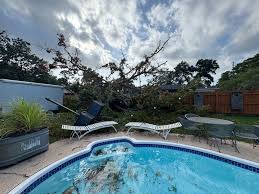
Florida’s climate adds unique challenges: blazing sun, daily afternoon thunderstorms, and heavy rainfall that alters pool chemistry in minutes. Salt cells are sensitive to these swings, and improper care means:
- Reduced chlorine production (leaving pools prone to algae).
- Corrosion and scaling inside the cell.
- Expensive replacements much sooner than expected.
A salt cell should last 3–7 years, but poor maintenance can cut that in half.
👉 Tip: Regular professional inspections from Florida Detail can catch early warning signs before they spiral into major repairs.
Common Salt Cell Maintenance Mistakes
Here are the most common errors pool owners make:
1. Ignoring Regular Cleaning
Salt cells naturally accumulate calcium scale. In Charlotte County, where hard water is common, this happens faster. Skipping cleanings leads to clogged plates and poor chlorine output.
2. Over-Cleaning with Acid
While cleaning is crucial, some owners soak their salt cells in acid too often or at too high a concentration. This strips the protective coating on the plates and destroys the cell prematurely.
3. Incorrect Salt Levels
- Too little salt = cell struggles to produce chlorine.
- Too much salt = corrosion and shortened lifespan.
A professional test by a pool cleaning in Charlotte County company ensures balanced levels year-round.
4. Running the Pump Too Little
Salt cells only produce chlorine when the pump runs. Many North Port homeowners cut run-time to save on electricity, but this allows algae growth and forces the cell to overwork when it’s back on.
5. Neglecting Storm Aftercare
After a summer thunderstorm in Punta Gorda, heavy rain dilutes the pool’s salinity and alters pH. If not corrected, the salt cell is forced to work overtime, which burns it out faster.
How to Protect Your Salt Cell Investment
Saltwater pools save money long-term, but only if the equipment is properly cared for. Here’s a practical routine:
- Test water weekly – Ensure salt, chlorine, and pH stay in range.
- Clean the cell every 2–3 months – Use manufacturer-recommended solutions, not just acid baths.
- Check after storms – Florida’s rain changes pool chemistry overnight.
- Run pump adequately – 8–10 hours daily during hot Charlotte County summers.
- Schedule professional inspections – Local experts in Port Charlotte and Rotonda can spot early signs of trouble.
Real-Life Florida Example
One homeowner in Rotonda ignored their salt cell for two years. After repeated storms and calcium buildup, the system failed mid-summer, leaving them with green water. The repair cost? Nearly $1,200 for a replacement. A simple $30 maintenance service every few months could have prevented it.
Internal & External Links (Natural Placement)
- Learn more about our pool services to protect your investment.
- Have questions? Reach out via our contact page.
- For more pool care insights, visit our blog.
- Read local tips from PortCharlottePoolService.com and NorthPortPoolServices.com.
- For marketing and local visibility, check UnlimitedManiac.com.
Callout: Quick Don’ts
- ❌ Don’t run your pool without checking salt levels after rain.
- ❌ Don’t soak your salt cell in strong acid repeatedly.
- ❌ Don’t assume “set it and forget it” works in Florida’s climate.
Final Thoughts
Your salt cell is one of the most expensive parts of your saltwater pool system, and ignoring it can cost you big. With Florida’s unpredictable storms and year-round sunshine, proper maintenance isn’t optional—it’s essential.
If you’re in Port Charlotte, Punta Gorda, North Port, Rotonda, or anywhere in Charlotte County, the experts at Florida Detail are here to help.
👉 Call to Action: Explore our services today and connect with a trusted pool professional in your area before small mistakes turn into expensive repairs.


