
When storms hit Florida — especially in Charlotte County — your pool can quickly turn from a backyard oasis into a murky, debris-filled mess. Whether it’s a tropical storm in Port Charlotte, tidal surge in Punta Gorda, or heavy inland flooding in North Port or Rotonda West, floodwaters carry more than just dirt. They bring bacteria, fertilizers, oils, and other contaminants that make your pool unsafe for swimming.
This guide breaks down a step-by-step recovery plan to help you safely restore your pool water, equipment, and surfaces after a flood — without making costly mistakes.
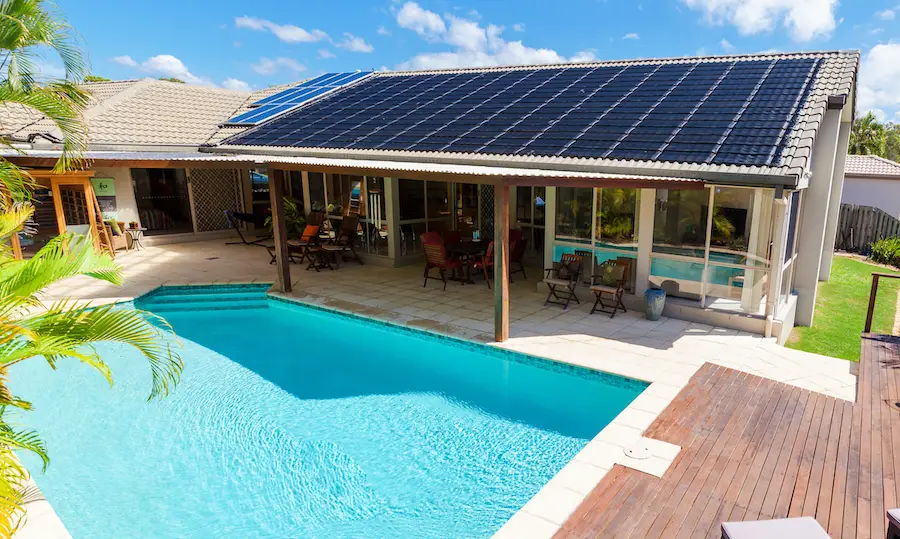
Why Floodwater Is a Serious Pool Hazard
Floodwater isn’t just dirty — it’s contaminated. It may contain:
- Bacteria and parasites from soil runoff and septic overflow
- Pesticides, fertilizers, and oils from yards and roads
- Debris, such as leaves, sticks, and even small animals
- Metal and mineral particles that can stain or corrode your pool surface
Even if your water looks clear afterward, the unseen contamination poses health risks. That’s why proper cleanup goes far beyond skimming leaves.
According to FloridaDetail.com, one of the most common post-flood issues in Charlotte County pools is unseen contamination — especially from nearby drainage canals and seawalls.
Step 1: Turn Off Electrical Equipment Immediately
Before doing anything, cut power to your pool system at the breaker. Pumps, heaters, and automation systems can short out if water reached their electrical components.
If floodwater submerged your pump or control panels, do not restart until inspected by a professional. Moisture inside can cause serious electrical hazards or permanent damage.
💡 Tip: Contact a licensed technician or reach out to your local pool service via FloridaDetail.com/contact to inspect and safely restart your system.
Step 2: Remove Debris Safely
Once water levels have stabilized and the area is safe, begin removing leaves, branches, and debris using:
- A leaf net or deep skimmer (not your vacuum yet — it may clog)
- Protective gloves to avoid cuts from sharp debris
- Trash bags or buckets to dispose of contaminated material
Avoid draining your pool completely at this stage — the ground may still be saturated, which can cause your pool shell to float or crack.
If flooding was severe, contact a pool service in Port Charlotte or North Port to assess structural integrity before removing all water.
Step 3: Test and Adjust Water Levels
After heavy flooding, your pool water may be too full, especially if rain and runoff entered. Using your waste setting on the filter or a submersible pump, lower the level to the middle of the skimmer opening.
If water is too low (rare after a flood), refill gradually using your home hose system — but don’t add chemicals until Step 6.
Step 4: Inspect Pool Equipment
Floods can easily damage or contaminate your:
- Pump and motor (check for silt, grit, or moisture)
- Filter system (cartridge, DE, or sand)
- Heater or salt cell (may corrode if floodwater entered)
- Valves and pipes (look for blockages)
Remove and rinse filter cartridges or grids thoroughly. For sand filters, consider a complete replacement if mud or silt entered the system.
If unsure, schedule a service visit from a local professional in Charlotte County via FloridaDetail.com/services.
Step 5: Brush and Circulate
Once debris is removed, brush the pool walls, floor, and steps thoroughly. This helps loosen sediment and algae spores before filtration begins.
When your equipment is deemed safe:
- Set the filter to “recirculate” for 24 hours — this moves water without clogging the filter.
- Then switch to “filter” and run continuously for another 48–72 hours.
🌧️ Flooded pools in Rotonda West often have fine silt and sand that settle quickly. Brushing daily helps prevent permanent staining.
Step 6: Shock and Sanitize
After circulation starts, it’s time to sanitize. Use a superchlorination shock — typically 2–3 times the normal dosage.
For best results:
- Raise free chlorine to at least 10 ppm
- Keep the pH between 7.2–7.4 for effectiveness
- Run the system for 24–48 hours continuously
- Retest and repeat if chlorine drops too quickly
If your pool turned brown or black from metal contamination, add a metal sequestrant before shocking again.
Step 7: Test Water Chemistry Thoroughly
Once the water clears, use a comprehensive test kit (not just test strips). Check:
- Free & Total Chlorine
- pH and Total Alkalinity
- Calcium Hardness
- Cyanuric Acid (stabilizer)
- Phosphates and Metals
After a flood, chemical levels are usually way off. You may need to drain and refill 30–50% of your pool to rebalance properly.
Step 8: Deep Clean or Replace Filters
Floodwaters carry silt that can clog even new filters. Once your water is clear:
- Cartridge filters: Soak in cleaning solution, rinse thoroughly. Replace if brittle or stained.
- Sand filters: Backwash multiple times or replace sand entirely.
- DE filters: Clean grids and recharge with fresh DE powder.
✅ Pro Tip: If your pool flooded more than 6 inches above deck level, full filter media replacement is recommended.
Step 9: Check for Surface Damage
Flooding often deposits fine dirt or iron particles that stain plaster or pebble finishes. Inspect for:
- Brown or rust-colored stains (metals)
- Black spots (organic debris)
- Etching or rough patches (chemical imbalance)
Light stains may brush out, but deeper marks may need acid washing or stain treatment from a pool professional.
For expert surface care and refinishing in Punta Gorda or Port Charlotte, visit FloridaDetail.com.
Step 10: Monitor for Algae Bloom
Flooded pools often bloom with algae days later due to lingering phosphates and sunlight exposure. Continue to:
- Test chlorine daily for one week
- Keep free chlorine above 3 ppm
- Use a phosphate remover if readings exceed 100 ppb
- Brush and vacuum every 2–3 days
This vigilance ensures your freshly restored pool stays clear, even under Florida’s intense UV rays.
When to Call a Professional
You should call a local expert if:
- Electrical components were underwater
- Pool water remains murky after 5–7 days
- Structural cracks appear
- Surface staining spreads
- You suspect septic or saltwater contamination
Professionals can safely drain, sanitize, and rebalance faster — and help you avoid further damage.
We recommend trusted local resources:
- PortCharlottePoolService.com
- NorthPortPoolCompany.com
- PoolServiceInPortCharlotte.com
- UnlimitedManiac.com — a helpful marketing and local business guide
Final Thoughts
Recovering your pool after a flood takes patience — but it’s absolutely doable with the right steps. By turning off equipment, removing debris carefully, rebalancing chemistry, and monitoring for stains or algae, you can return your pool to safe, swimmable condition.
If you’re unsure where to begin, connect with a local pool specialist in Charlotte County through FloridaDetail.com. From Port Charlotte to Rotonda West, our directory features trusted pros who understand Florida’s flooding challenges and know exactly how to restore your pool safely.


