
The Hidden Menace in Your Rotonda Pool
If you live in Rotonda West, you’re no stranger to shady streets, majestic oak trees, and… persistent pool stains?
Yes—oak leaf stains in pools are a common frustration for homeowners in oak-heavy neighborhoods across Rotonda, Port Charlotte, Punta Gorda, and North Port. While those towering oaks provide welcome relief from the Florida sun, they also shed leaves rich in tannins, which can cause brownish stains on your pool surface within hours.
🍂 Quick Fact: Just a few decomposing oak leaves can stain plaster, vinyl, and tile pool surfaces—especially in warm, still water.
In this blog, we’ll explain:
- What causes oak leaf stains
- How to prevent them
- How to remove existing stains
- What Rotonda homeowners can do to protect their pool investment
Why Oak Leaves Stain Pools So Easily
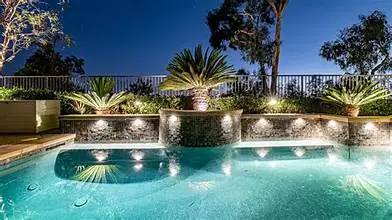
The Culprit: Tannins
Oak leaves contain tannins—natural organic compounds that leach out when the leaves sit in water. When these tannins settle on pool surfaces, especially in plaster or porous finishes, they leave dark brown, green, or yellowish stains.
Florida-Specific Problem
In Charlotte County, oak trees are part of the natural landscape. Areas like Rotonda Heights and Rotonda Sands are lined with native live oaks, which drop leaves year-round. Combine that with humid air, algae growth, and uneven water chemistry, and you’ve got the perfect storm for persistent pool stains.
Real Example: Rotonda Homeowner’s Frustration
“We’d clean the pool in the morning, and by the next day, the steps had these ugly brown splotches. We thought it was algae at first, but it turned out to be oak stains from the wind blowing leaves in every afternoon.”
— Jeff R., Rotonda West
Top Signs Your Pool Has Oak Leaf Stains
- 💧 Brown or rust-colored blotches near steps or in corners
- 🍂 Stains appear after storms or high winds
- 🧽 Brushing doesn’t remove the stain easily
- ❌ Stain is present even when the water is crystal clear
6 Ways to Prevent Oak Leaf Stains in Florida Pools
You don’t have to chop down your trees to keep your pool looking beautiful. These simple practices can go a long way.
✅ 1. Use a High-Quality Pool Cover
Especially during the fall and early spring, when oaks shed most heavily.
- Choose a mesh or solid safety cover
- Great for seasonal snowbirds in Punta Gorda or North Port
🌿 2. Trim Back Overhanging Branches
Hire a licensed arborist to shape trees without damaging their health.
🧹 3. Skim Daily, Especially After Windy Days
Oak leaves are lightweight and blow in easily—even with a screened enclosure.
🧪 4. Maintain Balanced Pool Chemistry
Keeping chlorine, pH, and alkalinity at proper levels helps prevent tannins from bonding with pool surfaces.
- Consider automatic feeders or salt systems for consistency
- Visit our Services page to learn more about automation
🌀 5. Improve Circulation
Poor circulation leads to leaf settling. Run your pump longer during windy seasons or after storms.
⏰ 6. Don’t Let Leaves Sit Overnight
Stains can form within 8–12 hours in warm water. Prompt removal is key.
How to Remove Oak Leaf Stains (Without Damaging Your Pool)
Already have stains? Don’t panic. With the right approach, they’re usually reversible.
👣 Step-by-Step Stain Removal:
- Brush Gently with a nylon brush
- Avoid wire brushes—they can scratch or worsen stains
- Try a Stain Eraser or Pumice Stone
- Best for localized spots on plaster or tile
- Use Ascorbic Acid Treatment
- This vitamin C-based powder helps lift organic stains
- Turn off chlorinator first and follow dosing instructions carefully
- Shock the Pool
- Only after removing organic matter and lowering chlorine
- Brush surfaces thoroughly afterward
- Call a Pro for Persistent Stains
- For darker stains or full resurfacing, consult a local technician
🛠️ Not sure what to do? Reach out via our Contact page for pool stain analysis in Charlotte County.
Don’t Ignore Oak Stains—Here’s Why
Allowing oak stains to build up not only affects aesthetics—it can cause:
- Long-term surface discoloration
- Reduced resale value
- Permanent staining in porous finishes
- Misdiagnosed algae treatments that waste money
Local Insight: Why This Matters in Rotonda
Rotonda’s circular design and natural landscaping create wind tunnels where oak leaves easily end up in backyard pools. Homes backing up to greenbelts or canals are particularly vulnerable.
If you’re in neighborhoods like:
- Long Meadow
- Pinehurst
- Broadmoor
- White Marsh
…you may experience this more than other Charlotte County homeowners.
✅ Pro Tip: Install leaf-catching hedges or fencing as a barrier between oak trees and your pool deck.
Recommended Local Services
If you’re tired of dealing with stubborn oak stains, contact local experts:
- PortCharlottePoolServices.com
- PoolCleaningInPortCharlotte.Com
- NorthPortPoolCompany.com
- UnlimitedManiac.com – for pool tech and homeowner tools
Related Posts from Florida Detail:
- Why Pool Steps Turn Slippery—And How to Fix It
- Can Wind-Blown Sand Damage Pool Surfaces?
- Pool Cleaning in Charlotte County
- Home – Explore full services and local provider listings
Final Thoughts: Don’t Let Oak Leaves Win
Oak trees are a beautiful part of Florida’s natural charm—but they shouldn’t stain your pool and shorten its lifespan. By staying proactive and knowing what to look for, you can enjoy a crystal-clear pool all year—even under the oaks.
Whether you’re in Port Charlotte, Punta Gorda, North Port, or the oak-lined streets of Rotonda, proper pool care will protect your investment and save you hours of frustration.
🧼 Need Help with Oak Leaf Stains?
Visit Florida Detail to find trusted pool service providers in Charlotte County who understand the local landscape—and know how to fight back against oak stains the right way.
Your pool deserves better than brown stains—let’s keep it sparkling.


