When it comes to creating a relaxing backyard retreat, a warm pool and cozy fire features can make all the difference. However, homes across Port Charlotte, Punta Gorda, North Port, Rotonda, and Charlotte County that use gas heaters must pay special attention to fire safety. Florida’s climate, with its heat, humidity, and coastal winds, can make certain safety risks more likely. Here’s a professional, easy-to-follow guide to keeping your pool area safe, stylish, and fire-smart.
Why Gas Heater Safety Matters
Gas heaters are efficient and reliable, especially for Florida pools that see frequent use from snowbirds and local families alike. But improper installation, poor maintenance, or nearby combustible materials can lead to hazards such as:
- Gas leaks or line corrosion
- Overheating near enclosed areas
- Electrical ignition problems
- Flammable landscaping near exhaust vents
Following proper maintenance and spacing standards helps prevent accidents and keeps your poolside both functional and compliant with Charlotte County fire codes.
1. Maintain Safe Clearance Around the Heater
Ensure your gas heater is positioned in an open, ventilated area. Avoid installing it too close to:
- Wooden fences or decking
- Patio furniture or umbrellas
- Poolside plants or shrubs
- Outdoor kitchen structures
Tip: Leave at least 3 feet of clearance around the heater and 5 feet above the exhaust vent. These distances help prevent overheating and allow for adequate airflow.
2. Inspect Gas Lines Regularly
Gas lines can wear down due to Florida’s moisture-rich air, especially in coastal areas like Punta Gorda and Rotonda. Schedule professional inspections at least once a year to check for:
- Rust or corrosion on metal components
- Loose fittings or hissing noises
- Sulfur or “rotten egg” smells indicating leaks
If you detect a leak, shut off the gas supply immediately and contact a licensed technician. Never attempt to repair gas lines yourself.
3. Keep Combustibles at a Distance
Even small sparks or exhaust heat can ignite dry debris or poolside decor. Keep these items at least 10 feet away from your heater:
- Propane tanks
- Gas grills
- Towels or pool toys
- Mulch and palm fronds
For homes in North Port or Charlotte County, where high winds can scatter debris, it’s smart to use metal enclosures or storage boxes for flammable materials.
4. Maintain Proper Ventilation
Gas heaters release exhaust gases such as carbon monoxide. Make sure the area around your heater is well-ventilated. Avoid:
- Enclosing heaters inside pool equipment sheds without exhaust ducts
- Covering vents to block leaves or pests
- Installing near windows or doorways where exhaust could drift indoors
5. Install Fire and Carbon Monoxide Detectors
Adding a CO detector near the pool equipment area provides an extra layer of protection, especially for homes with attached patios or enclosed pool rooms.
You can find high-quality detectors designed for outdoor or semi-enclosed spaces. Regularly test and replace batteries every 6–12 months.
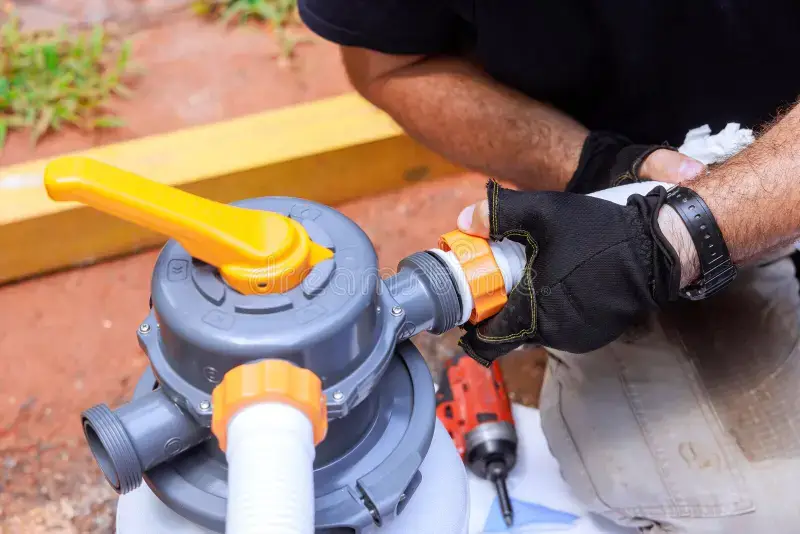
6. Schedule Professional Maintenance
Whether you live in Port Charlotte or North Port, annual heater servicing by a qualified technician ensures:
- Gas connections are tight and corrosion-free.
- Burners are clean and efficient.
- Exhaust systems meet manufacturer and county safety codes.
For expert service, visit Florida Detail — your trusted local resource for pool care, heating systems, and fire safety inspections.
7. Create a Poolside Fire Safety Zone
Set up a designated fire safety area:
- Install a class B/C fire extinguisher nearby (for gas or electrical fires).
- Keep a bucket of sand or garden hose ready for emergencies.
- Train family members on how to shut off the gas line quickly.
Common Fire Hazards to Watch For
| Hazard | Warning Sign | Solution |
|---|---|---|
| Gas Leak | Hissing noise or gas smell | Turn off gas, call technician |
| Blocked Vent | Poor heater performance | Clear debris immediately |
| Corroded Fittings | Rust or green residue | Replace connectors |
| Overgrown Plants | Browning leaves or heat marks | Trim and clear space |
Local Fire Safety Codes
In Charlotte County, pool heaters powered by gas must comply with:
- NFPA 54 Gas Code (clearance and ventilation)
- Florida Building Code, Residential Section G2406 (combustion air supply)
- Local permitting for new installations or replacements
You can review these standards through your county’s website or consult local pool professionals listed at Florida Detail.
Bonus: Smart Design Tips for Safer Style
Fire safety doesn’t mean giving up aesthetics. Try these design-friendly upgrades:
- Add non-flammable stone or tile surrounds near the heater area.
- Use wind-rated pool umbrellas to reduce fire risk from high gusts.
- Choose LED pool lighting instead of open flame torches for ambiance.
For more Florida-inspired pool design ideas, visit Unlimited Maniac, a trusted source for local home and landscape safety guides.
Partner Resources
- Florida Detail – Pool and heater maintenance experts
- PoolServiceInPortCharlotte.com – Local gas heater servicing
- NorthPortPoolCompany.com – Heater installation and repair
- Unlimited Maniac Marketing – Safety and marketing insights for Florida homeowners
Final Thoughts
A well-maintained gas heater brings comfort and warmth to your poolside, but safety must come first. By keeping your equipment clear, inspected, and ventilated, you protect your home and loved ones from preventable hazards.
For trusted local maintenance or fire safety inspections, visit Florida Detail to connect with experienced pool professionals in Charlotte County.


