🌪️ Introduction: The Florida Hurricane Dilemma
Every year, residents in Port Charlotte, North Port, and Punta Gorda face the same critical question before hurricane season hits:
“Should I drain my pool before the storm, or keep it full?”
It might seem logical to empty your pool to prevent flooding or debris damage — but that can actually do more harm than good. Proper hurricane prep for your pool is about balance, not emptiness.
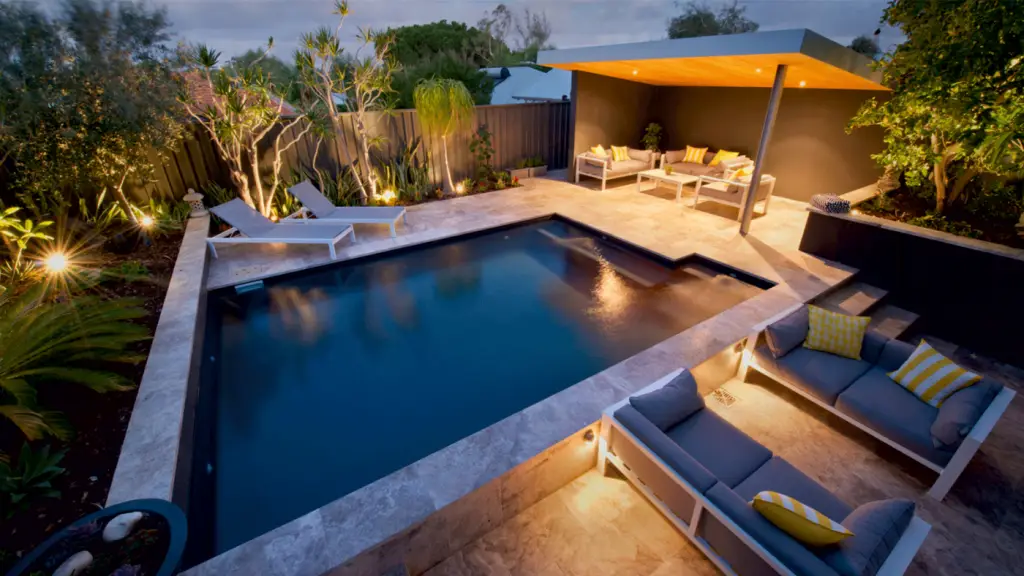
At Florida Detail, we’ve seen countless Florida homeowners make avoidable mistakes right before a storm. This guide will walk you through the safest, most effective approach to protecting your pool — without risking structural damage or costly repairs.
💧 Why You Should NOT Drain Your Pool Before a Hurricane
Many pool owners think lowering the water level or draining completely prevents overflow — but in Charlotte County, that’s a dangerous misconception.
Here’s why:
1. Pools Can “Float” Out of the Ground
Florida’s water table is naturally high. When heavy rain saturates the soil, groundwater pressure increases. If your pool is empty, the hydrostatic pressure can push the pool upward, causing it to literally “pop out” of the ground.
This happens more often in low-lying areas like Rotonda and coastal Punta Gorda neighborhoods.
2. Water Protects the Pool Shell
Your pool water acts as a protective barrier. It helps stabilize pressure against the shell and shields the interior finish from flying debris.
3. It Prevents Structural Cracks
Draining a pool before a storm can expose plaster or fiberglass to direct sun, which causes cracking — especially under Florida’s intense pre-hurricane humidity and heat.
🌀 The Right Way to Prepare Your Pool Before a Hurricane
Instead of draining, the goal is to minimize contamination, protect equipment, and secure surroundings. Follow this step-by-step guide approved by pool cleaning experts in Charlotte County.
✅ Step 1: Lower the Water Slightly
You can lower the water level by about 6 inches — just below the skimmer. This gives room for rainfall without exposing walls.
💡 Pro Tip: Never drain below the pool’s return jets — that’s the danger zone for hydrostatic lift.
✅ Step 2: Turn Off Power and Equipment
Before the storm hits:
- Turn off power at the circuit breaker.
- Unplug pool pumps, filters, and heaters.
- Secure all electrical components in a dry, elevated area.
For detailed pool system maintenance, see our Services page for professional cleaning and post-storm inspections.
✅ Step 3: Remove Loose Items
Everything that’s not bolted down can become a projectile. Remove or tie down:
- Pool furniture
- Toys and floats
- Umbrellas and grills
- Skimmer lids and baskets
✅ Step 4: Add Shock and Algaecide
Just before the storm, super-chlorinate your pool and add an algaecide.
This helps combat contamination from leaves, debris, and dirty rainwater.
🧴 You can also cover the pool with a mesh safety cover — never a solid one, as it may tear or trap water.
✅ Step 5: Wait to Clean Until After the Storm
Don’t try to clean mid-storm. Once it’s safe, remove debris with a leaf net, check chlorine levels, and reset electrical equipment carefully.
For post-hurricane recovery, check Florida Detail’s Contact page for certified local pool specialists in Port Charlotte, North Port, and Punta Gorda.
⚠️ Common Mistakes to Avoid During Hurricane Prep
Even experienced Florida homeowners make these costly errors:
- ❌ Draining the pool completely – causes structural lift or cracking.
- ❌ Covering the pool with tarp – traps debris and can rip apart.
- ❌ Leaving power on – can short out equipment or cause electrocution.
- ❌ Skipping algaecide – leads to severe green pool problems post-storm.
If your pool turns green after a storm, visit Florida Detail to find pool cleaning in Charlotte County or call local partners like:
🧠 Real-Life Example from Port Charlotte
After Hurricane Ian, a homeowner in Port Charlotte decided to drain their pool completely to prevent overflow. Unfortunately, rising groundwater pressure lifted the entire pool shell — a $30,000 repair.
Meanwhile, their neighbor in North Port left their pool full, treated the water, and simply vacuumed debris afterward — minimal damage.
📍 Lesson learned: Always keep your pool water as a stabilizer, not an enemy.
🌤️ Post-Storm Pool Care Checklist
Once the winds die down, use this quick checklist to bring your pool back to normal safely:
- Remove large debris with a skimmer net.
- Turn on the pump and filter once power is restored.
- Test pH and chlorine balance.
- Add shock and clarifier as needed.
- Brush walls and floor to prevent algae growth.
- Schedule a professional inspection via Florida Detail.
For additional local maintenance guides and marketing resources, visit UnlimitedManiac.com.
💬 Expert Tip: How Long Should You Wait to Swim?
Wait 24–48 hours after shocking or cleaning your pool post-hurricane. Always verify chemical balance with a test kit before use.
If you see cloudy or green water, schedule a cleaning service through Florida Detail — your trusted directory for pool service in Charlotte County and surrounding areas.
🏁 Conclusion: Keep Calm and Keep Your Pool Full
When the next hurricane heads for Southwest Florida, resist the urge to drain your pool. Instead, focus on balance — lowering the water slightly, turning off equipment, and adding preventive chemicals.
Your pool is designed to handle storms when maintained correctly. Keeping it full isn’t just safe — it’s smart.
Visit Florida Detail to find local pool specialists, hurricane recovery services, and reliable pool cleaning in Charlotte County.
💧 Ready for hurricane season?
Explore our Home, Services, or Contact pages to prepare your pool — and your peace of mind.


