If you live in Port Charlotte, Punta Gorda, North Port, or Rotonda, you’ve probably looked at your pool and thought, “Why does my water level drop so fast?” It’s a common question among Florida pool owners—and one that’s surrounded by myths and misunderstandings.
Florida’s heat, humidity, and strong coastal winds all affect pool water evaporation. But many homeowners mistake normal evaporation for leaks, or try unproven “hacks” they found online.
Let’s clear the air (and the water) by debunking the biggest myths about pool water evaporation in Florida’s climate, and learn what really causes your pool water to disappear.
Understanding Pool Water Evaporation in Florida
Before we bust the myths, it helps to understand how evaporation works.
In simple terms, evaporation happens when heat and wind cause water molecules to escape into the air as vapor.
In Charlotte County, with its subtropical weather, a typical pool can lose ¼ to ½ inch of water per day—sometimes more during the hottest months (May through September).
Factors that affect evaporation:
- Temperature: Hot, sunny days speed up evaporation.
- Wind: Strong breezes, especially near coastal areas like Punta Gorda and Rotonda, pull moisture from the surface.
- Humidity: Ironically, lower humidity (rare in Florida but common after storms) increases evaporation.
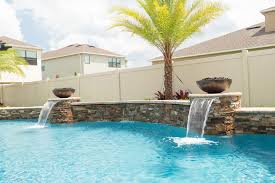
- Pool activity: Splashing, jets, and waterfalls also contribute to water loss.
So when you notice the water level dropping, it’s not always a leak—it could just be Florida being Florida.
Myth #1: “If My Pool Water Drops, It Must Be a Leak.”
This is by far the most common misconception.
Yes, leaks happen—but not every water loss is due to one. During Florida’s dry or windy spells, especially in Port Charlotte or North Port, you can lose several inches a week just from natural evaporation.
Quick Test:
Try the Bucket Test:
- Fill a bucket with pool water and place it on a pool step.
- Mark the water level inside and outside the bucket.
- Wait 24–48 hours.
- If both drop equally → evaporation.
- If pool water drops faster → possible leak.
You can read more about professional leak detection on Florida Detail or visit the Services page for help.
Myth #2: “Covers Don’t Make a Difference in Florida.”
Many Florida homeowners believe solar or safety covers are pointless because the weather is so humid.
In reality, a pool cover can reduce evaporation by up to 90%, especially during windy nights.
Even in Rotonda or Punta Gorda, where humidity is higher, the sun’s intensity still evaporates water quickly. A cover traps moisture and keeps it from escaping.
Bonus Benefits of Using a Pool Cover:
- Saves hundreds of gallons of water per month
- Reduces chemical loss
- Keeps debris out during storms
- Lowers heating costs
A simple solar blanket or liquid solar cover can make a measurable difference in your water bill and chemical balance.
For more pool care tips, visit the Home page or explore pool cleaning in Charlotte County through Florida Detail.
Myth #3: “Evaporation Doesn’t Happen in Winter.”
Florida’s “winter” is mild, but evaporation doesn’t take a vacation.
While temperatures are cooler, lower humidity and strong winds during the dry season (December–February) actually increase evaporation rates.
If you’re a seasonal snowbird returning to Port Charlotte after a few months away, don’t be surprised if your pool level dropped—especially if it was left uncovered.
Tip: Add a reminder to your seasonal checklist to check and top up your pool’s water level every few weeks, even if you’re away.
Myth #4: “Adding More Water Will Fix Everything.”
Refilling your pool constantly is not a solution—it’s a symptom of something else.
If you find yourself refilling multiple times a week:
- Check for leaks around skimmers, returns, and drains.
- Inspect your pool tile grout and coping for cracks (learn more in our grout repair blog).
- Monitor evaporation rates during different times of day.
Too much refilling also affects pool chemistry, leading to:
- pH imbalance
- Algae blooms
- Mineral buildup
That’s why local professionals in North Port and Rotonda West recommend monthly pool inspections to catch issues early.
Myth #5: “Evaporation Is the Same for Every Pool.”
Not even close.
Pool shape, size, depth, location, and water features all change how much water you lose.
For example:
- Shallow pools evaporate faster due to larger surface area exposure.
- Infinity edges and waterfalls accelerate water loss.
- Pools in open windy areas (like near Charlotte Harbor) lose more than screened or sheltered pools.
If you suspect excessive evaporation, you can get your pool checked by experts listed on Florida Detail or from partner sites like:
Real-Life Example: Florida’s Sun and Storms
After strong summer storms in Charlotte County, pools often experience faster evaporation due to pressure changes and post-storm dryness. The combination of cooler rainwater followed by intense heat creates a perfect recipe for rapid evaporation once the sun comes out.
This is especially noticeable for homeowners in Punta Gorda and Rotonda, where open yards and direct sunlight exposure amplify the effect.
Callout: If your water level drops dramatically after a storm, don’t panic. Wait 24 hours before topping up—it’s often temporary evaporation, not a leak.
How to Reduce Pool Evaporation in Florida
If you want to keep your pool full and water bills lower, these steps can help:
1. Use a Solar or Safety Cover
- Cuts evaporation by up to 90%.
- Reduces chemical use and heating costs.
2. Adjust Water Features
Turn off fountains and waterfalls when not in use—they dramatically increase surface area and evaporation.
3. Add Windbreaks
Fences, shrubs, or screens reduce wind flow across the pool surface.
4. Maintain Proper Water Temperature
Keeping your pool overly warm accelerates evaporation. Try to maintain between 78–82°F for comfort and efficiency.
5. Schedule Professional Maintenance
Professionals from Florida Detail can inspect your system and identify whether water loss is due to evaporation or hidden leaks.
For ongoing pool service or seasonal care, check listings on Florida Detail or contact UnlimitedManiac.com for SEO and maintenance resource guides.
Final Thoughts: Don’t Let Myths Drain Your Wallet
Pool water evaporation is a natural part of owning a pool in Florida’s climate. But by understanding what’s normal and what’s not, you can avoid unnecessary repairs and costs.
If you’re ever unsure, use the bucket test or call a professional through Florida Detail — your local hub for pool cleaning in Charlotte County and beyond.
Remember: Knowing the truth about evaporation means less guessing, less wasting, and more swimming.
So next time you see your pool water a little lower, take a breath—it might just be Florida sunshine doing its job.


