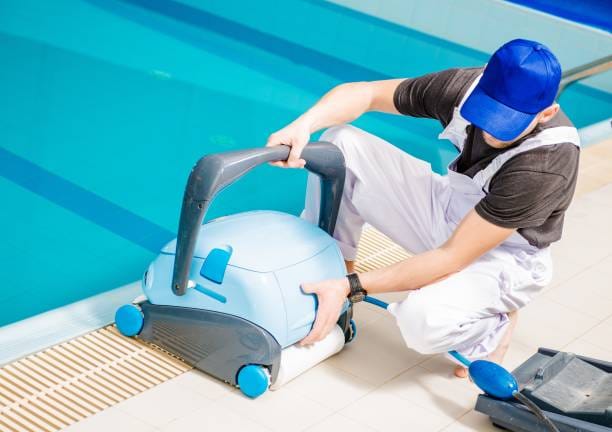
Keeping your pool vacuum in top condition is crucial for a clean and healthy swimming environment—especially in Port Charlotte, Punta Gorda, North Port, Rotonda, and other areas of Charlotte County, Florida. Whether you use a suction-side, pressure-side, or robotic pool vacuum, every system has components that wear out over time. Knowing when to replace parts ensures your pool vacuum continues working efficiently and helps prevent expensive repairs down the line.
In this guide from Florida Detail, we’ll cover the most common vacuum maintenance issues, how to spot failing parts, and practical replacement tips for every type of pool owner.
💧 Why Pool Vacuum Maintenance Matters in Florida
The Florida climate is both a blessing and a challenge for pool owners. The year-round sun, occasional storms, and constant debris from trees mean your pool vacuum works overtime. Overuse leads to gradual wear and tear, especially in high-debris areas like Rotonda or Punta Gorda, where leaf litter, sand, and algae can quickly clog your cleaner.
Neglecting routine maintenance can lead to:
- Reduced suction or mobility
- Shorter motor lifespan
- More frequent clogs
- Higher electricity use
- Cloudy or debris-filled water
A properly maintained vacuum can save time, water, and frustration — especially during peak swim season in Charlotte County.
⚙️ Understanding Your Pool Vacuum: Types and Key Components
Before diving into maintenance, let’s review the three main types of pool vacuums and their essential parts:
1. Suction-Side Vacuums
Connect directly to your skimmer or suction port.
Key Parts:
- Hose sections
- Diaphragm or flapper
- Footpad and wings
- Skimmer plate adapter
2. Pressure-Side Vacuums
Rely on the return jets to push debris into a filter bag.
Key Parts:
- Booster pump
- Filter bag
- Tail sweep
- Drive belts and wheels
3. Robotic Pool Vacuums
Self-contained units with internal motors and filters.
Key Parts:
- Brushes and tracks
- Power cable
- Filter canister or bag
- Impeller and motor housing
Understanding what each part does makes it easier to troubleshoot when performance drops — something every pool cleaning in Charlotte County expert emphasizes.
🔍 Signs It’s Time to Replace Pool Vacuum Parts
Your pool vacuum may still move, but that doesn’t mean it’s operating efficiently. Watch for these clear warning signs:
1. Loss of Suction Power
If your cleaner struggles to pick up debris or moves sluggishly, the hose, diaphragm, or impeller may be worn or blocked.
2. Cracked or Leaking Hoses
Florida’s intense UV rays can make plastic brittle over time. Replace any cracked or leaking hose sections to maintain suction.
3. Worn Brushes or Wheels
Robotic and pressure vacuums rely on brushes or wheels for traction. Replace them when the bristles flatten or the wheels lose grip.
4. Damaged Filter Bags
A torn or stretched filter bag allows debris to escape back into the water. Always check for tears after heavy cleaning sessions, especially after summer storms.
5. Electrical Issues
If your robotic vacuum shuts off unexpectedly or fails to start, it may be time for a new power supply, cable, or motor unit.
🧰 Pool Vacuum Maintenance Tips for Charlotte County Homeowners
Keeping your cleaner in top condition is easier than you think. Follow these simple maintenance practices:
- Rinse After Every Use – Wash off dirt and chemicals that can corrode seals or hoses.
- Inspect Weekly – Look for loose connections, leaks, or worn brushes.
- Store Indoors – Florida sun and humidity can shorten equipment life; store vacuums in shaded or covered areas.
- Replace Filters Regularly – Clean or swap filters every few weeks to maintain suction efficiency.
- Check for Air Leaks – Listen for hissing sounds when hoses are connected; that often signals a leak.
For residents of North Port or Rotonda, where pools may stay active year-round, scheduling a monthly maintenance check with Florida Detail or PortCharlottePoolService.com can ensure lasting performance.
🧽 When to Replace Pool Vacuum Parts (By Timeline)
| Component | Recommended Replacement Interval | Why It Matters |
|---|---|---|
| Hoses | Every 2–3 years | Prevents suction loss |
| Filter Bag/Canister | Every 6–12 months | Maintains debris capture |
| Brushes/Wheels/Tracks | Every 1–2 years | Ensures traction and cleaning coverage |
| Diaphragm/Flapper | Annually | Keeps suction consistent |
| Impeller or Motor (Robot) | Every 3–5 years | Restores efficiency |
These are general guidelines, but factors like pool size, debris load, and usage frequency affect longevity.
🌴 Florida Weather and Pool Equipment Longevity
Hot, humid air and frequent summer rainstorms in Port Charlotte can accelerate wear on vacuum components. Saltwater pools, popular in Punta Gorda and North Port, can also corrode metal fittings faster.
💡 Pro Tip:
Apply a silicone-based sealant or use UV-protective covers on exposed vacuum parts to slow degradation from sun and salt exposure.
For more care advice, check out guides on Florida Detail and pool care directories like UnlimitedManiac.com, which offer seasonal maintenance checklists for Florida pool owners.
🔗 Helpful Pool Maintenance Links
- Home – Discover expert pool maintenance advice.
- Pool Cleaning in Charlotte County – Learn about local cleaning services and weather-based care.
- Services – Browse pool cleaning and repair solutions.
- Contact – Schedule maintenance or get repair help.
- NorthPortPoolCompany.com – Local professionals servicing North Port pools.
🧠 When to Call a Professional
You can handle small fixes, but persistent suction loss, electrical malfunctions, or leaks usually require expert help. A certified technician from Florida Detail can inspect your vacuum system, replace worn parts, and balance your pool’s overall performance.
A trusted local pro ensures you’re not just fixing a symptom — you’re preventing bigger issues like pump damage or filtration failure later.
💦 Final Thoughts: Keep Your Pool Vacuum Performing Like New
In Charlotte County’s warm, pool-loving climate, consistent vacuum maintenance isn’t optional — it’s essential. Whether you live in Port Charlotte, Punta Gorda, or Rotonda, keeping your equipment clean and replacing worn parts on time guarantees sparkling, swim-ready water.
👉 Ready to schedule your next pool vacuum checkup? Visit Florida Detail or reach out through the Contact Page to connect with a verified local pool expert today.


