
A leaking pool vacuum hose is one of those frustrating issues that can quickly ruin your cleaning session. But the good news? Many of these leaks can be fixed with a few tools and patience — no trip to the pool store needed. In this guide, Florida Detail walks you through practical, DIY solutions to stop vacuum hose leaks, especially helpful for homeowners around Port Charlotte, Punta Gorda, North Port, Rotonda, and across Charlotte County.
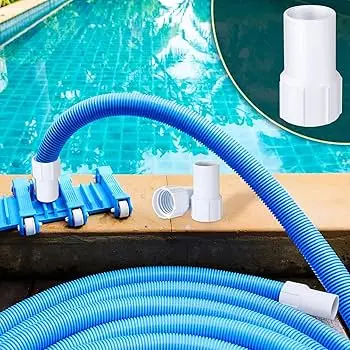
Why Pool Vacuum Hoses Leak (and Why It Matters)
Before jumping into fixes, it helps to know why vacuum hoses develop leaks. Common causes include:
- Cracked or split hose cuffs (the end fittings)
- Punctures or abrasions in hose body
- Loose or failing clamps / connectors
- Excessive sun-damage (UV degradation)
- Bend fatigue or crushing
- Air leaks at unions or connections
In Southwest Florida, our intense sun exposure (especially during summer) accelerates hose wear. Combine that with hurricane-season storms tossing debris, and your vacuum hose is under constant stress. For pools in Port Charlotte, Punta Gorda, and Charlotte County, frequent heavy rains can also change water pressure or dislodge fittings — contributing to leaks.
A leaking vacuum hose lets in air, which breaks the suction, reduces cleaning efficiency, and sometimes causes the pump to lose prime. That’s why homeowners often see poor vacuuming or bubbling during cleaning sessions.
How to Locate the Leak
You can’t fix what you can’t find. Use these steps:
- Visual inspection on land
Lay the hose flat on your pool deck. Look for obvious cuts, abrasions, or worn spots, particularly near cuff ends or bends. - Water-fill test
Seal one end of the hose, submerge it, and gently blow or push water through. Bubbles show where the leak is. This method surfaces small punctures. - Connection & cuff check
Leaks often happen where the hose meets the vacuum head or skimmer. A worn cuff or bad clamp is a frequent culprit. troublefreepool.com+2PoolSpaForum.com+2 - Check under suction pressure
Install the hose, then run the pump. Watch for bubbles or air hiss near connections. Also, using a garden hose to spray each PVC fitting and union before the pump can help find air-injection points. JustAnswer
Once you know where the leak is, pick the repair method below.
DIY Repairs: Fixes for Common Hose Leaks
1. Replace a cracked or worn cuff (hose end)
One of the most reliable repairs: cut off the old cuff and install a new one.
- Cut the hose cleanly, removing the damaged cuff.
- Apply silicone or pool-safe sealant to the new cuff threads or barbs.
- Slide the new cuff on, twist to engage threads (if threaded type), and secure with a clamp.
- Let cure per manufacturer instructions before use.
Hose cuffs are widely sold in pool parts catalogs. U.S. Art Supply Troubleshooting forums confirm this as the go-to for many leaks. troublefreepool.com+1
2. Use self-fusing silicone / repair wrap
When the damage is a small puncture or abrasion mid-hose:
- Use self-fusing silicone tape (such as “Tommy Tape” style) to wrap the tear tightly. This method seals leaks even under water. Tommy Tape Self-Fusing Silicone
- Overwrap with UV-resistant tape or clamps for extra security.
Note: this is a temporary or semi-permanent fix — ideally replaced when possible.
3. Silicone / clear sealant + clamp patch
For small holes:
- Dry the hose around the leak zone.
- Apply clear silicone sealant over and around the hole (or threads). PoolSpaForum.com+1
- Immediately wrap a hose clamp over the patched area while the silicone cures.
- Leave the pump off for 24–48 hours to allow full cure (if sealing suction side). Fix a Leak+1
Reddit DIYers often mention using silicone caulk + electrical tape as a “quick fix.” > “Squirt it liberally … then tightly wrap with electrical tape … let it dry for 24 hours.” Reddit
4. Swap hose section / splice
When damage spans too long for one patch:
- Cut out the damaged section.
- Use a rigid pipe coupler or hose splice kit, with internal barbs.
- Slide hose ends over the coupler, secure with clamps, and seal with silicone.
- Test with water to ensure no leaks before using again.
This method recovers more hose life and maintains proper flow.
Tips & Best Practices to Prevent Future Leaks
To avoid recurring leaks — especially in Rotonda, North Port, or near Charlotte County’s swampy terrain — follow these tips:
- Use UV-resistant hoses — better quality ones last longer under Florida sun
- Avoid sharp bends or kinks — let hoses curve naturally
- Store your hose away from sunlight when idle
- Replace weak clamps or connectors proactively
- Inspect hoses each season for signs of fatigue
- Trim docks or edges that may drag or rub
- Use seasonal spare hoses to swap during peak wear (storm season, heavy use)
A hose that’s used daily in Punta Gorda summer heat may last less than one that’s rotated.
When to Call the Pros
If:
- The hose is shredded along its length
- You have multiple hidden leaks
- The hose is buried and you suspect underground damage
- You want long-term durability or custom materials
Then it’s time to contact your local pool service provider. In the Port Charlotte / North Port / Punta Gorda area, several trusted names exist (e.g. PortCharlottePoolService.com, NorthPortPoolCompany.com). Florida Detail can also help — see our Services page.
You can also reference marketing / local SEO resources like UnlimitedManiac.com to help your pool repair business reach more customers.
Step-by-Step Repair Checklist
- Locate leak via inspection or water test
- Choose repair type (cuff, wrap, splice)
- Cut hose / prep surfaces
- Apply sealant or install new fitting
- Secure with clamp(s)
- Wait recommended cure time
- Test under water / suction
- Reinspect weekly for durability
Following these steps helps you maintain optimal suction and avoid downtime.
Real-Life Example (Charlotte County Home)
A homeowner near Rotonda called Florida Detail after noticing that their vacuum was losing suction mid-clean. We found a tiny split near the cuff, likely caused by UV stress over multiple summer seasons. We cut off the cuff, applied sealant, installed a replacement cuff, and tested — restoring full suction within 30 minutes. The repair held through summer storms and heavy leaf falling season.
Another customer in North Port had multiple hose leaks after a tropical storm dislodged deck materials. In that case, we spliced out two damaged sections and reinforced the rest with wrap tape. Problem solved without replacing the entire hose.
Local Considerations for Port Charlotte / Punta Gorda / North Port Pools
- Storms & debris: After heavy rains or hurricanes, hoses are under more strain from branches & shifting rocks
- Seasonal schedules: Snowbirds may shut down systems — inspect hoses before startup
- Sand & grit: Beaches and nearby coastal winds can cause abrasions
- Irrigation / pool overlap: Hose routing sometimes interferes with other plumbing
Because of these local conditions in Charlotte County, regular hose inspection and maintenance are crucial.
Internal & External Links (for SEO & Reader Navigation)
- Looking for general maintenance? See our Home page at Florida Detail
- Need full diagnostics or hose replacement? Visit our Services page on FloridaDetail.com
- To schedule a call or get help, use our Contact page
- Check our related blog on vacuum system care / pool cleaning in Charlotte County
- Local marketing help: UnlimitedManiac.com (resource for local SEO and growth)
- For local pool business context, see PortCharlottePoolService.com or NorthPortPoolCompany.com
Final Thoughts & Call to Action
A leaking vacuum hose doesn’t have to ruin your pool day. With the right method — whether replacing a cuff, wrapping a puncture, or splicing a section — most leaks around Port Charlotte, Punta Gorda, North Port, Rotonda, and across Charlotte County are easy fixes at home. If your hose is beyond DIY or you’re uncertain where the leak lies, the professionals at Florida Detail are ready to assist.
Don’t let suction issues persist. Explore more tips on our blog, browse our full Services, or contact a local pool service provider today to keep your pool clean, efficient, and stress-free.


