If you’re in Port Charlotte, Punta Gorda, North Port, Rotonda, or anywhere across Charlotte County, you know pool season is serious business. But not all floats and toys are created equal. Some common pool accessories actually damage your pool’s finish, tile, or liner over time. As your local pool service partner, Florida Detail is here to help you pick toys that preserve your investment — not destroy it.
In this post, we’ll cover:
- Why certain floats cause damage
- Specific types to avoid
- Safer alternatives
- Care tips for long life
- And when you should call in a professional
Why Floats & Toys Can Cause Surface Damage
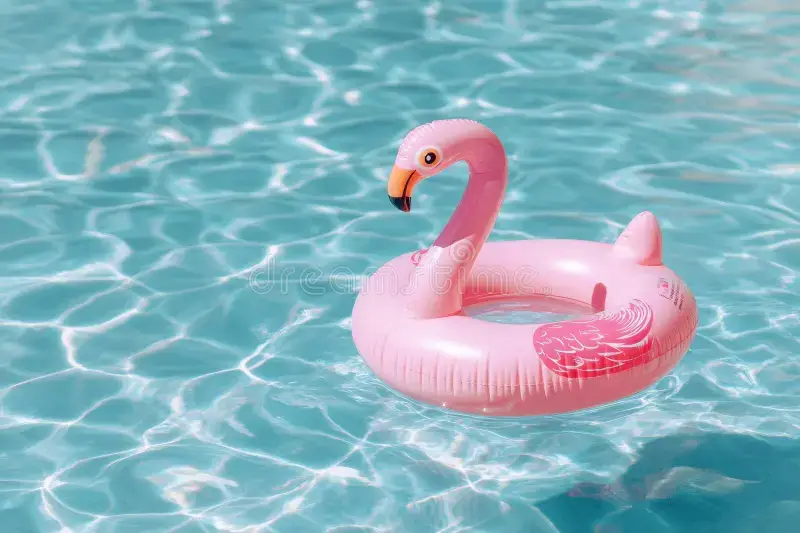
Even something as innocent as a flamingo float can leave lasting harm. Here’s why:
Abrasion & Scratching
Rigid inflatables with hard plastic handles or edges can scrape plaster or aggregate surfaces. Over time, these micro-scratches compromise sealants and lead to discoloration or erosion.
Chemical Leaching & Staining
Some cheap vinyl or foam toys leach plasticizers or dyes into the water. Those chemicals can react with your pool’s finish or grout, leaving stains.
Trapped Debris & Sand
Sand or grit caught between a float and the pool surface acts like sandpaper. Wind and waves push grit under a float, causing slow, hidden abrasion.
Sun & Heat Weakening
Florida’s intense sun (230+ sunny days per year) accelerates fatigue in vinyl and foam. Cracks or tears from UV damage allow floats to collapse suddenly and tear across surfaces. Premier Pool Contractor
Pool Surface Popping (Worst Case)
In extreme cases, anchors or weighted floats dragging along the bottom may stress the shell, especially if the pool is shifting due to hydrostatic pressure after heavy rains. (While rare, structural stresses can be aggravated by constant dragging).
In hurricane-prone zones, never allow floating or heavy objects to press hard against walls or coping — they might “pop” onto the side. Cox Pools
Types of Floats & Toys to Avoid
Here are common culprits that tend to cause more harm than fun.
Rigid Plastic-Fin Floats & Slides
These big, molded slides or floats often have hard edges or internal metal frames. They drag or rub against tile and coping, chipping grout or damaging plaster.
Inflatable Mattresses with Rough Bottoms
Cheap vinyl mats sometimes use textured bottoms (to reduce slipping). That texture can abrade surfaces when floated or dragged.
Hard-Edged Accessories (Cooler Islands, Tables, Handles)
Floats with built-in drink holders, coolers, or hard inserts can have harsh edges. Always inspect for rigid seams or corners.
Weighted or Anchored Floats Without Isolation
Weighted floats tethered to the bottom can swing and rub across surfaces when waves shift them.
Foam Blocks or Noodles with Abrasive Covers
Some foam toys are wrapped in coarse fabrics or mesh. Over time, that rough covering sands away at surfaces.
Safer Alternatives for Pool Toys & Floats
When chosen carefully, toys can be part of the fun — without the damage.
- Soft vinyl floats — smooth, pliable, and free of sharp edges
- Mesh “float hammocks” — float on water with minimal contact
- Inflatables with soft undercoats — padded bottom surfaces
- Foam noodles (smooth surfaces) — widely safe
- Low-profile floating lounges — designed to hover, not drag
- Weighted nets or gentle anchors — that avoid dragging motion
⚠️ Pro tip: Always rinse off floats to remove grit before placing them on your pool surface. Even soft floats can carry sand.
Care & Best Practices to Protect Your Pool Surface
Inspect & Rotate Floats
- Regularly check for rough edges, tears, or hard inserts
- Rotate which side of the float faces the surface so wear is spread
Clean Before Use
- Hose off debris, grit, or leaves
- Let floats dry thoroughly before storing — moisture can stick to liners
Avoid Dragging or Pushing
- Lift floats in/out rather than dragging on deck or pool wall
- Don’t slide floats across tile or plaster
Use Pool-Friendly Anchors
If you anchor floats:
- Choose soft, smooth connection points
- Use a short tether to minimize movement
- Lift floats before storms or heavy winds
Store Floats Safely Off the Surface
Use wall racks, PVC pipe holders, or breathable mesh bags (these reduce mildew and sticking). Floatie Kings
Real-Life Florida Examples & Risks in Our Area
Case: Summer Storms in Punta Gorda / Port Charlotte
Last summer, a brief storm sent wind-blown pool toys crashing into pool walls in Rotonda. One homeowner ended up with chipped tile and grout needing repair. A few minor protections could have prevented it.
Case: Seasonal Snowbirds & Heavy Use
In North Port, many snowbirds leave large inflatables in the pool all season. UV exposure + chlorine + motion = micro-abrasion that weakens the plaster over time.
Algae Growth & Rough Pools in Charlotte County
When pools develop micro-scratches, algae can grip more easily. In Charlotte County’s humid climate, that accelerates surface wear.
These local patterns reinforce why choosing gentle floats matters — Florida conditions amplify damage.
When to Call a Professional (and Why)
If you notice:
- Micro-scratches or rough patches
- Fading or discoloration near float contact zones
- Cracked tile or grout
- Surface thinning
… it’s time to bring in a pro. At Florida Detail, our services include surface inspection, minor repairs, and full resurfacing. We also handle pool cleaning in Charlotte County, plus routine maintenance and restoration. (See our Services page.)
Don’t wait until a small scratch becomes a major repair. Also, for general guidance on pool care during rain or storms, check our blog on How to Protect Your Pool During Heavy Rain and Storms. floridadetail.com
And if you want to connect with a local directory of reliable providers, visit UnlimitedManiac.com for vetted listings.
Summary & Best Practices
| Issue | Why it Happens | What to Use Instead |
|---|---|---|
| Abrasion / scratching | Rough edges, grit trapped | Soft vinyl floats, mesh styles |
| Staining / leaching | Cheap dyes or chemicals | UV-resistant inflatables |
| Surface dragging | Anchors dragging float | Short tethers, non-dragging designs |
| UV degradation | Constant sunlight + chlorine | Remove floats when idle, use covers |
Top tips:
- Always rinse floats
- Lift instead of dragging
- Store off the pool surface
- Inspect floats often
- Use gentle anchors or floats that “hover”
Conclusion & Call to Action
Choosing the right pool toys and floats isn’t just a matter of fun — it’s about protecting your investment in your pool’s surface. By avoiding rigid, abrasive floats and practicing smart care, homeowners in Port Charlotte, Punta Gorda, North Port, Rotonda, and across Charlotte County can enjoy worry-free lounging without hidden damage.
For ongoing care, surface inspections, or repair service, be sure to explore our Home page, browse our Services, or Contact us directly. And if you’re comparing providers or seeking referrals, check UnlimitedManiac.com and local names like PortCharlottePoolService.com or NorthPortPoolCompany.com.
Let’s keep your pool beautiful, safe, and long-lasting — the right floats make all the difference!


