H1: What Is Pool Surface Etching — and Why You Shouldn’t Ignore It
If you’ve noticed rough patches, dull areas, or chalky streaks on your pool walls, you may be dealing with pool surface etching — a common yet often misunderstood issue across Port Charlotte, Punta Gorda, North Port, and Rotonda.
Etching doesn’t just make your pool look aged — it’s a sign of chemical imbalance and surface deterioration that can lead to expensive resurfacing if left unchecked.
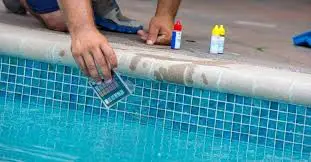
Let’s explore what causes etching, how Florida’s weather makes it worse, and most importantly — how to stop it before it spreads.
H2: Understanding Pool Etching
Pool etching occurs when the surface material (plaster, quartz, or pebble finish) starts dissolving due to overly aggressive water chemistry.
In simple terms, the water starts eating away at the pool finish. When the pool’s water lacks certain minerals, it becomes “hungry” — pulling calcium and other elements directly from your pool walls.
Common Signs of Etching:
- Rough, sandpaper-like texture
- Dull or uneven color on the pool surface
- Visible streaks or pits
- Faster algae buildup due to a porous surface
💧 Pro Tip: Etching is different from staining — stains discolor, while etching physically damages the plaster.
H2: Why Etching Happens — Especially in Florida
Pools in Charlotte County face unique environmental challenges that make etching more likely.
1. Low Calcium Hardness
Soft or “hungry” water pulls calcium from your plaster. This is the #1 cause of etching in concrete and plaster pools.
2. Low pH and Alkalinity
Acidic water dissolves minerals rapidly. Many homeowners overcorrect with acid during cleaning, causing unintentional damage.
3. Saltwater Systems
While great for skin comfort, salt cells can increase surface wear if chemistry isn’t balanced.
4. Heat and Evaporation
Florida’s intense sun — especially in North Port and Rotonda — accelerates water loss, concentrating chemicals and upsetting balance.
5. Heavy Rain and Storm Runoff
Frequent downpours in Punta Gorda can dilute pool water, lowering calcium and alkalinity levels overnight.
H2: The Science Behind It – Florida’s “Aggressive Water” Problem
“Aggressive water” is a term local pool pros use to describe water that eats away at surfaces.
The Langelier Saturation Index (LSI) measures this aggressiveness.
When LSI drops below -0.3, your pool water becomes corrosive. In Florida’s heat and rain, maintaining an ideal LSI between -0.1 and +0.3 is crucial to prevent surface damage.
You can calculate this balance yourself using online tools from Florida Detail, or get a pool water analysis service through trusted local experts listed on the site.
H2: How to Prevent Pool Surface Etching
Preventing etching comes down to consistency and balance — especially when managing pools in Florida’s extreme weather swings.
✅ Follow These Essential Steps:
- Maintain Proper Calcium Hardness:
Keep between 200–400 ppm. Test weekly during summer. - Balance pH and Alkalinity:
- pH: 7.4–7.6
- Alkalinity: 80–120 ppm
- Use a Quality Pool Sequestering Agent:
These protect surfaces from mineral scaling and erosion. - Brush Regularly:
Prevent calcium leaching by keeping the surface clean. - Avoid Acid Washing Too Often:
Overuse of acid can thin plaster and worsen etching. - Hire Local Pros:
Routine pool cleaning in Charlotte County ensures balanced chemistry and early detection of etching.
You can connect with verified service providers through Florida Detail or reputable local partners like PortCharlottePoolService.com.
H2: When Etching Becomes a Resurfacing Issue
Sometimes, etching progresses too far for chemical correction alone. If your pool feels rough on feet or visibly discolored, it may be time for resurfacing.
Signs you’ve reached this stage:
- Chalky residue doesn’t brush off
- Pits visible near steps or waterline
- Stubborn algae growth on rough areas
In that case, local professionals in Port Charlotte and Rotonda can inspect the surface and recommend replastering or quartz refinishing.
Visit Florida Detail for trusted companies offering cost-effective resurfacing options.
H2: Real Example – Punta Gorda Homeowner Fixes Etching Early
A homeowner in Punta Gorda noticed her pool steps turning dull after months of heavy rain and pool parties.
After contacting a professional via Florida Detail, they discovered her pH had dropped below 7.0 for weeks.
The local service balanced her water, added a calcium increaser, and performed light polishing — saving her thousands on resurfacing.
That’s the power of catching etching early.
H2: Maintenance Schedule for Etch-Free Pools
To help you stay ahead, here’s a simple local-friendly maintenance plan:
| Frequency | Task | Notes |
|---|---|---|
| Weekly | Test pH, alkalinity, chlorine | Florida heat causes fast chemical shifts. |
| Biweekly | Test calcium hardness | Adjust if below 200 ppm. |
| Monthly | Inspect surfaces | Look for dull spots or roughness. |
| Quarterly | Professional checkup | Local techs ensure proper LSI and water balance. |
Stay consistent, and your pool will stay smooth and bright even through Charlotte County’s hottest months.
H2: Get Professional Help Before It’s Too Late
If you suspect pool surface etching, don’t ignore it — early intervention saves time and money.
For trusted local service, visit:
- Florida Detail
- https://FloridaDetail.com
- NorthPortPoolCompany.com
- PoolServiceInPortCharlotte.com
- UnlimitedManiac.com — local marketing and maintenance insights
H2: Final Thoughts
Etching is one of the first visible signs of chemical imbalance — but it’s completely preventable.
By testing your water weekly, adjusting for Florida’s rain and heat, and scheduling regular professional maintenance, you’ll protect your investment and keep your pool stunning year-round.
Whether you’re a homeowner in Rotonda or a snowbird returning to North Port, the key is simple — balanced water equals a beautiful pool.
Ready to connect with local experts? Visit Florida Detail today to find trusted pool cleaning in Charlotte County and nearby communities.


