Owning a pool in sunny Florida is a luxury — but slippery steps can quickly turn that luxury into a hazard. Whether you live in Port Charlotte, Punta Gorda, North Port, Rotonda, or anywhere across Charlotte County, slick pool steps are a common issue caused by algae, sunscreen buildup, and the region’s humid climate.
This guide walks you through simple, affordable, and DIY-friendly methods to restore grip, keep swimmers safe, and protect your pool from further damage.
Why Do Pool Steps Get Slippery?
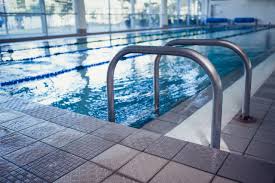
Before we fix the problem, it’s important to understand what’s causing it. Florida’s warm weather, heavy rainfall, and long pool seasons create the perfect conditions for slick steps.
Here are the most common causes of slippery pool steps:
- Algae growth from poor circulation or chemical imbalance
- Body oils, sunscreen, and lotions accumulating over time
- Smooth fiberglass or vinyl surfaces losing grip with age
- Hard water deposits creating slick film layers
👉 Pro Tip: Regular pool cleaning in Charlotte County can prevent buildup before it becomes dangerous.
Step 1: Start with a Deep Clean
You’d be surprised how often slipperiness disappears after a good scrub.
What You’ll Need:
- Pool brush with nylon bristles
- Pool-safe degreaser
- Baking soda or vinegar
- Hose with strong pressure
How to Do It:
- Drain water just below the steps (if possible).
- Apply a mild cleaner or a 50/50 vinegar-water mix.
- Scrub thoroughly with a brush to remove all algae and oils.
- Rinse completely and let dry before refilling the pool.
For professional cleaning, you can explore the Services section on Florida Detail to find trusted pool experts in your area.
Step 2: Use Anti-Slip Stickers or Grip Tape
If cleaning alone doesn’t help, anti-slip adhesive strips can make a major difference.
Pros:
- Easy to apply
- Inexpensive (under $20 for a pack)
- Works on fiberglass and tile
Cons:
- May peel with heavy use
- Need replacement every few months
Where to Apply:
Place the strips in a “ladder pattern” — one near each edge and one in the middle of every step. This layout improves traction without disrupting your pool’s design.
You can find more DIY product guides and local installation services through Florida Detail or related sites like PortCharlottePoolService.com.
Step 3: Apply a Non-Slip Coating
For a longer-lasting fix, non-slip coatings are ideal. These coatings are applied like paint and dry with a gritty texture that’s comfortable but slip-resistant.
Recommended for:
- Concrete and fiberglass steps
- Older pools losing surface grip
DIY Steps:
- Clean and dry the surface completely.
- Mix and apply the coating with a roller.
- Allow 24–48 hours to dry before filling the pool.
✅ Bonus Tip: Try eco-friendly coatings designed for Florida humidity — they resist algae growth and fading from UV rays.
Step 4: Keep Water Chemistry Balanced
Unbalanced pool chemistry doesn’t just damage the water — it makes surfaces slippery too.
Key Levels to Check Weekly:
- Chlorine: 1–3 ppm
- pH: 7.2–7.6
- Calcium hardness: 200–400 ppm
- Alkalinity: 80–120 ppm
If you’re not confident adjusting chemicals yourself, contact a local expert via Florida Detail’s Contact Page. You’ll find licensed pool technicians throughout Port Charlotte, Punta Gorda, and North Port.
Step 5: Regular Maintenance and Inspections
Even after applying a grip solution, consistency is key. Create a maintenance schedule to ensure safety all year long — especially during Florida’s heavy summer rains.
Monthly Checklist:
- ✅ Brush and vacuum pool walls and steps
- ✅ Inspect anti-slip materials for peeling
- ✅ Test and balance pool chemicals
- ✅ Check water circulation and filters
If you’re a Rotonda or Charlotte County homeowner, you can also find reliable pool companies listed on Florida Detail or partner sites like NorthPortPoolServices.com.
When to Call a Professional
Sometimes, the issue goes beyond slipperiness. Cracked steps, uneven surfaces, or algae stains deep in the fiberglass may require expert care.
You should call a pro if:
- The coating peels within days
- You notice cracks or discoloration
- Algae return quickly after cleaning
- The water chemistry fluctuates often
Professional inspection helps you catch small problems before they turn into expensive repairs. To find certified local pros, visit the Home page and browse providers by service area.
Real-Life Florida Example
A homeowner in Punta Gorda recently shared how her pool steps became dangerously slick after several weeks of rain. Using just baking soda, vinegar, and anti-slip stickers, she restored full grip within hours — and avoided a costly resurfacing job.
Stories like these prove that a little proactive care goes a long way in Florida’s year-round pool season.
Quick Recap: DIY Fixes for Slippery Pool Steps
- Clean with vinegar or a degreaser.
- Apply anti-slip strips or tape for instant traction.
- Use non-slip coatings for a lasting grip.
- Balance water chemistry to prevent slick buildup.
- Maintain monthly for year-round safety.
By following these steps, you can enjoy your pool safely while preserving its beauty.
Conclusion: Stay Safe, Stay Swim-Ready All Year
Your pool should be a place of fun and relaxation — not a slip hazard. Whether you’re in Port Charlotte, Punta Gorda, North Port, or Rotonda, you now have the tools to keep your pool steps safe and slip-free.
Visit Florida Detail to connect with trusted local professionals, read more pool care blogs, or request service directly.
For marketing insights that help pool companies rank higher in local search results, check out UnlimitedManiac.com — your local SEO ally.


