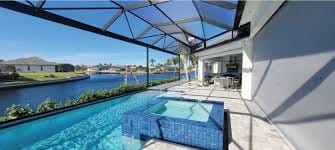
A sparkling blue pool is every homeowner’s dream, but stains can quickly ruin the look of your backyard oasis. In Port Charlotte, Punta Gorda, North Port, Rotonda, and throughout Charlotte County, pool stains are a common frustration thanks to Florida’s unique environment—minerals in the water, heavy rains, and constant exposure to sun.
The good news? The color of a stain often tells you what’s causing it. By recognizing whether your stain is rust, copper, or organic, you’ll know how to treat it—and how to prevent it in the future.
Why Pool Stains Happen
Florida pools face special challenges:
- Mineral-rich water: Iron and copper deposits cause discoloration.
- Storm debris: Leaves, acorns, and palm seeds drop into pools during storms.
- Chemical imbalance: Incorrect pH or chlorine levels speed up staining.
- Old equipment: Rust from ladders or pipes leaches into water.
Pool Stain Colors and What They Mean
Rust Stains (Reddish-Brown)
Rust is one of the most common stains in Charlotte County pools. It typically comes from:
- Corroded ladders or rails
- Iron in well water
- Nails or screws falling into the pool
Rust stains are usually small but stubborn. Left untreated, they can spread and damage plaster surfaces.
Copper Stains (Green to Teal)
Copper creates bluish-green stains that often appear on plaster or around return jets. Sources include:
- Copper-based algaecides
- Old heater elements
- High metal levels in fill water
In Punta Gorda and North Port, copper stains are common due to frequent chemical treatments after storms.
Organic Stains (Green, Brown, or Black)
Organic stains come from:
- Leaves, pine needles, or acorns sitting too long in the pool
- Algae blooms after heavy rains
- Dead insects or frogs
Rotonda homeowners, surrounded by lush landscaping and golf course trees, often deal with organic stains the most.
How to Treat Different Pool Stains
- Rust
- Use a vitamin C tablet test: rub it on the stain—if it lightens, it’s iron-based.
- Treat with ascorbic acid or a metal remover.
- Copper
- Use a specialized copper stain remover.
- Balance pH and avoid overusing copper algaecides.
- Organic
- Brush and shock the pool.
- Enzyme cleaners help break down plant matter.
Preventing Pool Stains in Charlotte County
- Test water weekly, especially after Florida storms.
- Use a metal sequestrant if your water source has high iron or copper.
- Skim leaves daily during fall and storm seasons.
- Inspect ladders, rails, and heaters for corrosion.
- Schedule routine cleanings with a pool cleaning in Charlotte County professional.
Local Example
“After Hurricane Ian, our pool in Port Charlotte had so many leaves and acorns it turned brown. We thought it was algae, but it was organic stains from debris. Florida Detail’s advice helped us clear it up without resurfacing.” – Homeowner testimonial
Local SEO Spotlight
- Port Charlotte: Rust from old equipment is the top culprit.
- Punta Gorda: Copper staining from frequent algaecide use is common.
- North Port: Organic stains show up after family barbecues and backyard trees drop debris.
- Rotonda: Stains often result from nearby golf course landscaping.
For more help, visit trusted resources like PortCharlottePoolServices.com or NorthPortPoolCompany.com.
Learn More
- Explore Florida Detail for expert pool care guides.
- Learn about pool cleaning in Charlotte County.
- Direct access: https://FloridaDetail.com.
- Digital marketing insights: UnlimitedManiac.com.
- Local connections: PoolServiceInPortCharlotte.com.
Final Thoughts
Not all pool stains are the same—and treating them incorrectly can make things worse. Whether it’s rust, copper, or organic discoloration, knowing the difference saves time, money, and frustration.
👉 Don’t let stains ruin your backyard oasis. Visit Florida Detail today and connect with trusted local pool service professionals across Charlotte County.


