
Owning a pool in Florida is one of life’s great pleasures — especially in Port Charlotte, Punta Gorda, North Port, and Rotonda. But with that luxury comes responsibility. If you’re a first-time pool owner, you’ve likely heard of pool shocking — an essential water maintenance step that keeps bacteria, algae, and odors under control.
However, if handled incorrectly, shocking your pool can lead to dangerous chemical reactions or skin irritation. Let’s explore how to shock your pool safely and effectively so you can enjoy crystal-clear water all season long.
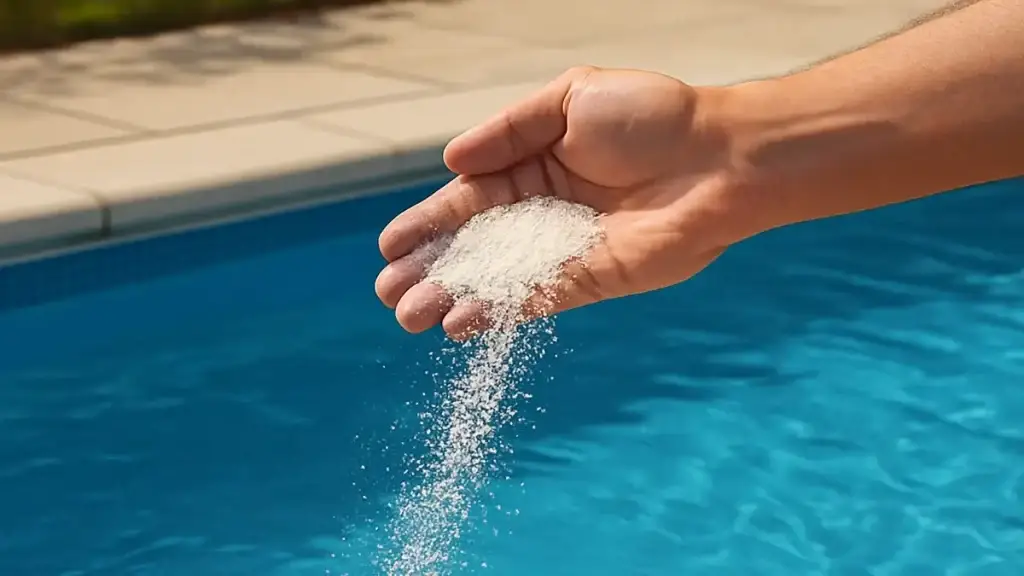
What Is Pool Shock?
Pool shock means adding a concentrated dose of chlorine or a chlorine alternative to eliminate organic contaminants, bacteria, and chloramines (those pesky compounds that cause eye and skin irritation).
It helps:
- Restore chlorine efficiency
- Kill harmful microorganisms
- Prevent cloudy or green pool water
But because these chemicals are powerful, proper handling is crucial — especially for Florida’s warm, humid conditions.
Why Pool Shock Is Crucial in Florida
Living in Charlotte County comes with unique pool maintenance challenges:
- Intense UV rays break down chlorine faster.
- Heavy summer rains introduce debris and bacteria.
- Warm water encourages algae growth.
- High usage from family and guests means faster contamination.
That’s why regular shocking (every 1–2 weeks) is vital to maintaining a safe and inviting pool environment in Port Charlotte, Punta Gorda, and North Port.
Essential Pool Shock Safety Tips
Here are the most important safety steps every beginner should follow:
1. Always Read the Product Label
Not all shock products are equal. Some contain calcium hypochlorite while others use dichlor. Always read dosage instructions carefully and follow manufacturer safety guidelines.
2. Wear Protective Gear
Before handling any pool chemicals:
- Put on safety goggles and gloves.
- Avoid breathing in the dust.
- Keep pets and kids away from the area.
3. Never Mix Pool Chemicals
Mixing chlorine shock with algaecide or other cleaners can cause toxic fumes or explosions. Apply treatments at least 24 hours apart.
4. Pre-Dissolve Shock (If Recommended)
Some shock products allow pre-dissolving in a clean plastic bucket filled with pool water.
- Add chemicals to water, never water to chemicals.
- Stir gently with a plastic stick — never with metal tools.
5. Add Shock at Dusk or Night
Florida’s sun can quickly neutralize chlorine. Apply shock after sunset to allow overnight circulation and ensure maximum effectiveness.
6. Wait Before Swimming
After shocking, run your pool pump overnight and test the chlorine level. Only swim once chlorine drops below 3 ppm — usually after 8–24 hours.
Pro Tip: Dealing With Florida’s Wind and Rain
If you live in North Port or Rotonda, windy evenings and sudden showers can interfere with pool shocking. To stay safe:
- Stand upwind when pouring chemicals.
- Avoid shocking before a forecasted storm.
- Store unused shock in a cool, dry, shaded area.
Step-by-Step Guide to Safely Shock Your Pool
Follow this quick guide to get it right every time:
- Test the Water: Check chlorine, pH, and alkalinity first.
- Turn On the Pump: Circulation helps distribute chemicals evenly.
- Measure Correctly: Follow product dosage guidelines.
- Pre-Dissolve (Optional): Mix with pool water, not tap water.
- Add Shock Around the Pool Edge: Pour slowly and evenly.
- Brush the Walls: Helps prevent staining and algae buildup.
- Retest in 12–24 Hours: Ensure chlorine has returned to safe levels.
Common Mistakes First-Time Owners Make
Avoid these beginner errors:
- Shocking during daylight hours.
- Adding shock through the skimmer.
- Using metal buckets or tools.
- Over-shocking the pool thinking “more is better.”
Expert Tip: More chlorine doesn’t mean cleaner water — it often leads to equipment corrosion and liner damage.
For accurate guidance, connect with a trusted professional at Florida Detail.
Real-Life Example from Charlotte County
A pool owner in Punta Gorda noticed their water stayed cloudy despite shocking weekly. The cause? They were shocking at noon under direct sunlight, which destroyed most of the chlorine before it could work.
After following the evening-shock method recommended by Florida Detail, their pool turned crystal-clear in just one night — and stayed that way.
Eco-Friendly Disposal Tip
Never drain chlorinated water into storm drains — it can harm Florida’s coastal ecosystems. Instead, use sanitary sewer systems and check local regulations through UnlimitedManiac.com for eco-friendly pool management guides.
You can also find professional help from:
Each provides expert support for pool cleaning in Charlotte County and neighboring communities.
Final Thoughts
Shocking your pool doesn’t have to be intimidating. By using proper safety gear, following instructions, and applying shock at the right time, you can maintain a clean, safe, and sparkling pool throughout Florida’s sunny seasons.
Whether you’re in Port Charlotte, North Port, or Rotonda, a clean pool starts with the right knowledge — and a little local expertise.
👉 Visit Florida Detail to find trusted pool care professionals and more guides like this one.


