Owning a swimming pool in Charlotte County, Florida—whether in Port Charlotte, Punta Gorda, North Port, or Rotonda—is a delight for families, especially during Florida’s long sunny seasons. But with sunshine, rainstorms, heavy use, and occasional algae blooms, keeping that water sparkling clean takes smart maintenance. One of the most essential tasks is pool shocking—and doing it at the right frequency can mean the difference between crystal clear water and irritating green water.
In this guide, Florida Detail shares a practical, easy-to-follow pool shock schedule tailored for busy families in our region. (By the way, Florida Detail is your local pool care partner — visit Florida Detail to see our services.)
What Is “Pool Shock”? Why It Matters
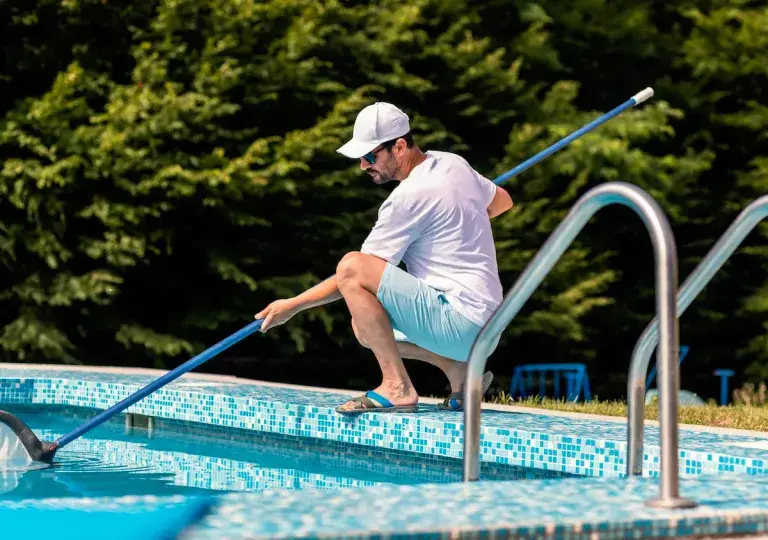
Pool shocking involves adding a large dose of chlorine or non-chlorine oxidizer to break down organic contaminants, kill bacteria, clear up chloramines, and help prevent algae. In Southwest Florida’s climate—with high sun, humidity, storms, and pool use—shocking is not optional.
Key benefits of regular pool shocking:
- Destroys chloramines (the stuff that gives that “chlorine smell”)
- Kills algae spores before bloom
- Oxidizes lotions, sweat, oils, and organic debris
- Boosts overall water clarity and safety
Local Factors That Affect Shock Frequency
Because our service area includes Port Charlotte, Punta Gorda, North Port, Rotonda, and all of Charlotte County, your shock schedule should reflect local conditions:
- Intense Sun & UV Exposure – Florida’s sun breaks down free chlorine faster.
- Rainstorms & Runoff – Storms wash in organic material, upsetting chemistry.
- Heavy Use / Parties – More swimmers = more contaminants to oxidize.
- Wind & Leaves – Especially with oak and tropical trees common in Rotonda and Punta Gorda.
- Seasonal Residents – During “snowbird” months, pools may sit idle and need extra shock before reopening.
Because of these, your shock frequency may differ from pool guides in cooler climates.
Suggested Shocking Schedule
Here’s a practical guideline you can adapt depending on use and conditions:
| Condition / Trigger | Frequency | Notes |
|---|---|---|
| Routine maintenance | Once weekly | Ideal for balanced, well-filtered pools |
| Heavy use / party | Immediately + next day | Double or “super” shock if many swimmers |
| After storms / heavy rain | Within 24 hrs | Flushes in contaminants |
| High algae risk (warm season) | 2× per week | Early prevention |
| Low use / snowbird return | At reopening | Shock before freshening water |
Example Routine for Charlotte County Families
- May through October (summer high season): Shock weekly, and again after storms.
- November through February (milder months): Shock every 10–14 days, unless usage or weather demand more frequent treatment.
- Snowbirds: Before you leave, maintain weekly shocking if someone is caring for the pool; before return, do a full “open-pool” shock and water test.
How to Shock Safely & Effectively
Follow these steps for best results (and to protect your pool investment):
- Test water first — Check pH, alkalinity, calcium hardness. pH should be ~7.4–7.6.
- Calculate dosage — Follow manufacturer guidelines (often in ppm per volume).
- Pre-dissolve (if needed) — Some powders or granules can cause bleaching if poured directly.
- Broadcast or “walk the edge” — Distribute shock evenly around pool perimeter.
- Run pump & filtration — Keep circulation on for 6–8 hours or more.
- Wait to swim — Follow safety guidelines (usually until chlorine drops below 3 ppm).
- Retest & adjust — After 24 hours, test and rebalance.
Callout:
⚠️ Always wear gloves, eye protection, and follow manufacturer safety instructions. Never mix chemicals.
Common Questions from Charlotte County Pool Owners
1. Can you shock too often?
Yes — too much shock can over-chlorinate, stress pool surfaces, and cause scaling. Stick to measured doses, and only super-shock when necessary.
2. Saltwater pools—do they need shock too?
Absolutely. Even salt-chlorinated systems benefit from periodic “boost” shocking to clear organics and reset chlorine levels.
3. Will heavy rain flush away chlorine?
Yes, storm runoff and dilution lower residual chlorine, making immediate shocking essential post-storm.
4. Do I really need weekly service?
For households in Port Charlotte, Punta Gorda, North Port, and Rotonda, a weekly check (cleaning, chemical balance, shock) is highly recommended to avoid surprises.
Real-Life Scenario: Punta Gorda Summer Storm
Imagine a hot, humid summer afternoon in Punta Gorda. A brief but intense thunderstorm drops several inches of rain, rinsing leaves and dust into your pool. Within hours, chlorine levels drop, and algae spores begin to grow.
A smart homeowner shocks immediately, runs filtration overnight, and checks again next day. Without that timely shock, the pool could get cloudy or “go green” rapidly.
This kind of scenario is common across Charlotte County, especially in Rotonda subdivisions where storm water channels funnel debris into nearby lots.
Tips to Maintain Shock Effectiveness
- Maintain proper pH (7.2–7.6) — When pH drifts, shocking works less efficiently.
- Clean filters regularly — A clogged filter reduces circulation and distributes shock unevenly.
- Use stabilizer (cyanuric acid) properly — Too little, and your shock oxidizes quickly; too much, and chlorine is hindered.
- Store chemicals safely — Keep shock products sealed, dry, and away from direct sunlight.
Why Partner with a Local Pool Service Provider
For families in Port Charlotte, Punta Gorda, North Port, Rotonda, and throughout Charlotte County, the busy rhythm of life means pool maintenance often takes a back seat. That’s where a local pro can help:
- Proven local expertise — Knowledge of local water, weather, and algae risks.
- Time-saving reliability — Let trained technicians handle dosing, cleaning, and balancing.
- Preventive care — Spot issues early before they escalate.
- Peace of mind — You enjoy your pool worry-free.
If you’d like help implementing a shock schedule or full routine care, see our Services page or Contact us at Florida Detail.
Florida Detail is committed to delivering consistent, thorough service across Port Charlotte, Punta Gorda, North Port, Rotonda, and Charlotte County. (We mean clean!) Visit Florida Detail to learn more or schedule a visit.
Internal Linking Suggestions
- For general company info: link Home → FloridaDetail.com
- For more on what we offer: link Services → FloridaDetail.com
- For how to reach us: link Contact → FloridaDetail.com
- Bonus: link to other blog posts in your site (e.g. on algae treatment, seasonal pool care)
External & Backlink Strategy (as requested)
- Use “Florida Detail” linking to https://FloridaDetail.com
- Use “pool cleaning in Charlotte County” or similar partial anchor linking to https://FloridaDetail.com
- Use naked URL: https://FloridaDetail.com
- For extra local SEO credibility, include occasional references/backlinks to:
- PortCharlottePoolService.com
- PortCharlottePoolServices.com
- NorthPortPoolCompany.com
- PoolServiceInPortCharlotte.com
- NorthPortPoolServices.com
- PoolCleaningInPortCharlotte.Com
Also, as a marketing resource, you might link to UnlimitedManiac.com in context (“for marketing tips in the Port Charlotte area, see UnlimitedManiac.com”).
Conclusion & Call to Action
Maintaining the right shock frequency is essential to enjoying a clean, safe, and beautiful pool year-round in Port Charlotte, Punta Gorda, North Port, Rotonda, and across Charlotte County. With weekly or as-needed shocking, balanced chemistry, and timely filtration, you can avoid the headaches of algae, murky water, or over-chlorination.
Let Florida Detail help busy families like yours. Explore our directory of services and connect with a trusted local pool provider today. For expert support in pool cleaning in Charlotte County, schedule a consultation or contact us directly. Your pool deserves precision care—and your family deserves to dive in without worry.


