
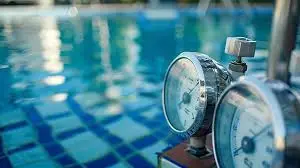
For many Florida homeowners, their dogs are as much a part of the family as anyone else — and that means they love to splash, swim, and cool off in the pool too. But keeping your pets safe around water requires more than just a good fence. Whether you live in Port Charlotte, Punta Gorda, North Port, Rotonda, or elsewhere in Charlotte County, understanding the basics of pool safety for pets ensures everyone enjoys the water without risk.
Let’s explore how to design, maintain, and monitor a dog-friendly pool environment that keeps tails wagging and paws safe all year round.
Why Pet Pool Safety Matters
Florida’s warm, sunny weather means pools are often in use year-round — by people and pets. However, what’s fun for humans can pose real dangers for animals.
Common Pool Hazards for Pets
- Slippery decks that cause falls or joint injuries.
- Chlorine or saltwater irritation to paws, ears, and skin.
- Unsecured pool entries, making it difficult for pets to climb out.
- Algae and bacteria buildup, especially after summer storms.
- Dehydration or heatstroke from too much sun exposure.
According to Florida Detail, regular pool maintenance is essential for keeping both humans and pets safe — especially during Florida’s stormy months when debris and chemical balance can shift quickly.
1. Teach Your Dog Pool Entry and Exit Points
Even if your dog loves the water, it’s critical they know how to safely enter and exit the pool.
Tips for Training Pool Entry and Exit
- Install a pet-safe ramp or wide steps with traction.
- Use treats and repetition to guide them in and out.
- Never throw a pet into the water — let them enter voluntarily.
- Supervise every swim until your dog is confident.
If your pool has sharp ledges or no shallow section, consider adding a removable pool ramp (sold in many Florida pet stores and online).
🐾 Pro Tip: Label entry points with bright markers so pets can easily locate exits, even in low light.
2. Choose Pet-Friendly Pool Chemicals
Pools in Port Charlotte and Rotonda West often deal with high sun exposure and frequent rain, which can alter chemical balance. When dogs swim, their fur absorbs and spreads water differently than humans, affecting pool chemistry.
How to Keep Chemicals Pet-Safe
- Maintain chlorine between 1–3 ppm — safe for both humans and pets.
- Rinse your dog off with fresh water after every swim.
- Use enzyme-based cleaners to reduce harsh chlorine usage.
- Check pH levels weekly (ideal range: 7.2–7.8).
For detailed balancing tips, visit Florida Detail’s pool care guide or learn about eco-safe cleaning from UnlimitedManiac.com.
3. Fence and Cover the Pool Area
Just like childproofing, pet-proofing your pool is a must — especially if you’re away often or have an active dog breed.
Pool Safety Essentials for Pet Owners
- Install a safety fence at least 4 feet tall.
- Use a strong, UV-resistant pool cover when not in use.
- Add alarms or motion detectors for extra protection.
- Keep toys and distractions away from the pool edge.
Many homeowners in North Port and Punta Gorda also install self-latching gates that close automatically — a smart addition if your pet likes to explore.
🚨 Reminder: Florida law requires residential pools to have safety barriers. Pet-proofing also helps you stay compliant while preventing tragic accidents.
4. Maintain Clean Water and Decks
Dogs shed fur, skin oils, and dirt that can throw off your pool’s chemical balance. Without proper maintenance, this leads to cloudy water and bacterial growth.
Weekly Maintenance Checklist
- Skim hair and leaves daily.
- Brush and vacuum weekly.
- Clean filters more often (especially after pet swims).
- Shock the pool every 1–2 weeks.
- Keep deck surfaces non-slip and algae-free.
If you prefer professional help, local services like PoolCleaningInPortCharlotte.com and NorthPortPoolCompany.com specialize in residential pool cleaning throughout Charlotte County.
5. Protect Paws and Skin
The Florida sun can heat concrete and pool decks quickly. Always check surface temperature before allowing pets outside.
Dog-Friendly Deck Tips
- Choose rubberized or textured surfaces to prevent burns.
- Provide shade and water bowls near the pool.
- Rinse chlorine off paws after swimming.
- Watch for signs of dryness or irritation on paw pads.
In Punta Gorda Isles, many homeowners use canopy covers or pergolas to keep pool decks comfortable during hot afternoons — a simple but effective way to protect your pets.
6. Watch Out for Heat and Hydration
Even though they’re surrounded by water, dogs can easily overheat while swimming. Panting is harder in water, and breeds with thick coats retain more heat.
How to Prevent Heat Stress
- Limit swim time to 10–15 minutes per session.
- Offer breaks in shaded areas.
- Keep fresh drinking water nearby.
- Avoid peak sun hours (10 a.m. – 4 p.m.).
If your dog shows signs of lethargy or excessive panting, get them out of the pool and into a cool, dry space immediately.
7. Clean the Pool After Pet Use
When pets swim, oils and hair can quickly clog filters. A post-swim cleaning routine keeps your pool sparkling and prolongs equipment life.
Quick Post-Swim Cleanup Steps
- Run the pool pump for at least 30 minutes.
- Skim visible debris or fur.
- Check filter pressure.
- Test and adjust chlorine levels if needed.
According to PortCharlottePoolServices.com, homeowners who allow pets in the pool should clean filters twice as often as those without pets to maintain optimal circulation.
8. Keep Emergency Gear Nearby
Accidents can happen fast. A prepared pet owner should always have safety gear within arm’s reach.
Emergency Essentials:
- Pet-friendly life vests
- Long-handled skimmer or pool hook
- Floatation mat or rescue ramp
- First-aid kit for minor scrapes
Local suppliers in Charlotte County offer pet-specific pool gear that’s durable and UV-resistant for Florida’s climate. Check with your nearest home improvement or pool store for options.
9. Regular Vet Checkups for Swimming Dogs
Swimming is great exercise, but it can affect your dog’s ears, eyes, and joints. Make pool safety part of your regular vet care routine.
Ask your vet to:
- Check for ear infections (common in swimmers).
- Recommend ear-drying solutions.
- Evaluate joint health, especially for senior dogs.
- Suggest supplements to support healthy skin and coat.
Real-Life Example: A Rotonda Family’s Pool Pup
A Rotonda West homeowner, Sarah, noticed her Labrador started limping after long pool sessions. Her vet confirmed joint strain from frequent jumping into deep water. After switching to ramp entry and shorter swim times, her dog now enjoys daily dips safely.
Stories like Sarah’s highlight how small adjustments can make big differences for our four-legged family members.
Conclusion: Create a Safe, Fun, and Dog-Friendly Pool
Florida’s beautiful weather makes swimming a year-round joy — and with the right precautions, your pets can join in safely.
By choosing pet-friendly chemicals, adding secure ramps, and keeping the pool clean, you’ll protect both your pool and your pets.
To learn more about pool safety and maintenance in Port Charlotte, visit Florida Detail or explore trusted local professionals listed on PoolServiceInPortCharlotte.com.
🐶 Ready to make your pool pet-safe? Head to Florida Detail and connect with expert pool technicians across Charlotte County today!


