Owning a pool in sunny Charlotte County—whether you live in Port Charlotte, Punta Gorda, North Port, or Rotonda West—means endless summer days and outdoor fun. But pools also come with responsibilities that go beyond cleaning and maintenance. One of the most overlooked aspects of pool ownership is understanding how your home insurance policy covers pool-related risks.
In this guide, we’ll break down what most home insurance policies include (and exclude) when it comes to pools, along with practical safety tips and local insights for Florida homeowners.
Understanding Pool Coverage in Home Insurance
Home insurance in Florida typically covers pools under one of three structures:
- In-Ground Pools (Permanently Installed)
- Usually classified as part of your dwelling coverage.
- Damage from storms, falling objects, or vandalism may be covered—depending on the policy.
- Above-Ground Pools (Removable or Portable)
- Often treated as personal property.
- Coverage may be limited and could require additional riders.
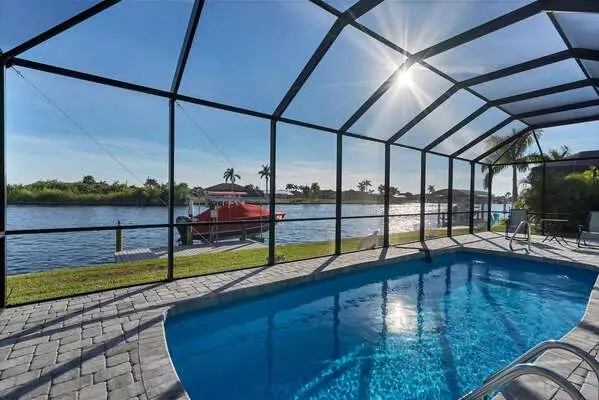
- Screened Enclosures and Pool Cages
- Common in Port Charlotte and North Port homes.
- Not always automatically covered for storm damage—check your windstorm deductible or add a specific endorsement.
💡 Pro Tip: Always confirm with your insurer whether your pool enclosure or deck area is included in the dwelling or other structures section of your policy.
What’s Typically Covered
Here’s what many Florida homeowners find covered under standard insurance policies:
- Structural damage caused by certain weather events or falling debris.
- Liability coverage for injuries occurring on your property, including your pool.
- Personal property damage, such as pool equipment and accessories, if listed.
However, not everything is automatically included.
What’s Not Covered (and When You’ll Need Extra Protection)
Certain pool-related issues are almost never covered by standard home insurance policies:
- Negligence or poor maintenance (e.g., algae buildup or broken tiles).
- Flooding—you’ll need separate flood insurance, especially in coastal areas like Punta Gorda.
- Wear and tear or normal deterioration.
- Cracking or sinking of the pool due to soil movement.
If your pool area includes luxury features like waterfalls or custom lighting, those may need to be specifically scheduled under your policy.
Liability and Safety: The Hidden Factor
One of the biggest reasons insurance companies care about your pool is liability. If a guest, neighbor, or even a trespasser gets injured in your pool, you could be held legally responsible.
Steps to Lower Liability Risks
- Install a fence or safety gate (required under Florida law).
- Use self-latching pool gates and pool alarms.
- Never leave children unattended—even briefly.
- Keep first-aid supplies and a life ring near your pool area.
- Document your safety measures with photos or receipts for insurance purposes.
Many insurers in Charlotte County offer discounts for homeowners who meet safety requirements, so it’s worth checking with your provider.
How Florida Weather Affects Pool Insurance
Living in Florida means your pool faces some unique threats—especially in Port Charlotte and Rotonda West, where heavy rains and hurricanes are seasonal realities.
- Hurricane Winds: May tear screens or damage equipment.
- Lightning: Can fry pumps and electrical systems.
- Flooding: Usually not covered under standard home insurance.
- Sun Damage: UV exposure can degrade surfaces over time.
🏝️ Example: After Hurricane Ian, many Charlotte County homeowners discovered that their pool cages were excluded from coverage. Adding an endorsement could’ve saved thousands in repairs.
Tips to Protect Your Investment
To make sure you’re covered, take these practical steps:
- Review your insurance policy annually.
- Add umbrella liability coverage—especially if your pool is frequently used.
- Keep up with regular pool maintenance.
- Work with licensed pool professionals like Florida Detail for ongoing cleaning and inspections.
- Photograph your pool area after upgrades or before hurricane season.
Why Professional Pool Care Matters
Having your pool professionally maintained isn’t just about aesthetics—it’s about safety and insurance compliance. Many Florida insurers require that pools meet certain safety and sanitation standards before approving claims.
Companies like Florida Detail and PortCharlottePoolService.com specialize in helping homeowners document pool maintenance, which can support insurance claims later on.
For reliable pool cleaning in Charlotte County, visit https://FloridaDetail.com or read more on their Services page.
Real Example from North Port
A North Port homeowner recently upgraded their pool pump and added a safety fence. After submitting receipts and maintenance logs, their insurance premium dropped by nearly 12%.
It’s proof that safe pools save money—not just lives.
Local Resources and Further Reading
If you want to go deeper on pool safety or insurance:
- NorthPortPoolCompany.com – Local experts for residential pool care.
- PoolServiceInPortCharlotte.com – Tips on year-round pool maintenance.
- UnlimitedManiac.com – Great resource for local SEO and home service marketing insights.
Final Thoughts
Your pool should be a source of relaxation, not stress. By understanding what your home insurance covers—and taking a few smart safety steps—you’ll protect both your property and your peace of mind.
If you live in Port Charlotte, Punta Gorda, North Port, or Rotonda, now’s the perfect time to review your insurance policy and schedule a professional pool inspection.
👉 Ready to make sure your pool is covered, clean, and safe?
Visit Florida Detail today to connect with trusted local pool service experts in Charlotte County.


