When your pool pump runs smoothly, your pool stays clean, efficient, and crystal clear — but even a small seal leak can throw that balance off. Pool pump seal leaks are one of the most common and preventable issues pool owners face in Port Charlotte, Punta Gorda, North Port, Rotonda, and across Charlotte County.
This guide from Florida Detail breaks down how to spot early signs of pump seal leaks, what causes them, and how to fix the problem before it leads to costly damage.
💧 What Exactly Is a Pool Pump Seal Leak?
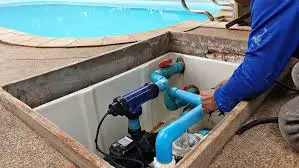
Your pool pump has a small but critical part called the mechanical seal, located between the pump motor and impeller. This seal’s job is to keep water inside the pump housing — not leaking into the motor.
When that seal starts to wear out, water begins to escape from the seam where the pump motor and housing connect. Over time, this leak can:
- Corrode metal components.
- Short-circuit the motor.
- Reduce water flow and filtration efficiency.
- Raise your energy costs.
💡 Think of the seal like a gasket on a car engine — it’s small, but if it fails, the whole system suffers.
🔍 Early Signs of Pool Pump Seal Leaks
Catching a seal leak early can save you hundreds of dollars in replacement costs. Here’s what to watch for:
1. Water Dripping Under the Pump
If you notice small puddles or damp areas under your pool pump — especially after it’s been running — that’s a red flag.
2. Rust or White Calcium Buildup
In humid Charlotte County conditions, leaked water quickly leaves behind white mineral stains or rust around bolts or pump housing joints.
3. Unusual Noises
A whining or grinding sound often indicates water has reached the motor bearings — a sign the seal has already failed.
4. Air Bubbles in the Pool Return Jets
When your seal leaks, air sneaks into the system, causing visible bubbles in the pool’s return flow.
5. Decreased Suction or Weak Circulation
Loss of suction can happen when the pump loses pressure due to a leak. You’ll often notice the water surface skimmer not pulling as strongly as usual.
⚙️ Common Causes of Seal Leaks in Florida Pools
Florida’s unique pool environment makes seals wear out faster than in other states. Here’s why:
1. High Temperatures:
Constant heat in Port Charlotte and Punta Gorda causes rubber and ceramic seals to harden and crack faster.
2. Chlorine and Saltwater Exposure:
High chlorine levels or salt systems can corrode metal parts and degrade seal material.
3. Pump Overheating:
Running the pump with poor water flow can cause it to overheat — damaging the seal.
4. Improper Installation or Maintenance:
A misaligned seal or reused gasket often leads to slow leaks that worsen over time.
5. Storm Flooding:
After Florida storms or hurricanes, pumps exposed to excess moisture or debris are more likely to develop leaks.
🧰 How to Confirm a Pool Pump Seal Leak
You can perform a quick check before calling a professional:
- Turn off the pump and let it sit for 5–10 minutes.
- Inspect around the motor and housing seam.
- If you see a water line, corrosion, or dampness, the seal is likely compromised.
- You can also sprinkle baby powder around the area while running the pump — it helps trace fine leaks as powder darkens on contact with moisture.
🔧 Fixing a Pool Pump Seal Leak
If you’re handy with tools, you might consider replacing the seal yourself — but it requires careful disassembly. For most homeowners in North Port and Rotonda, calling a certified pool service is the safer and faster option.
Steps for Professional Seal Replacement
- Disconnect electrical power to the pump.
- Drain water from the pump system.
- Disassemble the wet end (housing, diffuser, impeller).
- Remove the old mechanical seal and clean the shaft.
- Install the new seal using the correct orientation and lubricant.
- Reassemble the pump, ensuring tight seals all around.
- Test for leaks before restarting continuous operation.
Professional technicians — like those listed on Florida Detail — will also inspect the impeller, shaft, and O-rings to prevent future issues.
💸 How Much Does It Cost to Fix a Pool Pump Seal Leak in Charlotte County?
Pricing varies depending on the pump brand and damage level:
| Repair Type | Average Cost (Florida) |
|---|---|
| Seal Replacement Only | $90 – $150 |
| Full Pump Rebuild | $200 – $400 |
| Motor Replacement | $350 – $600 |
💬 Tip: In Port Charlotte and Punta Gorda, many pool companies offer seasonal maintenance packages that include seal inspections — a smart investment for long-term savings.
For trusted service options, visit PoolServiceInPortCharlotte.com or NorthPortPoolCompany.com.
🌞 Preventing Future Pool Pump Seal Leaks
Prevention is always cheaper than repair. Here’s how to extend your pump’s lifespan in Florida’s hot, humid conditions:
Regular Maintenance Routine
- Inspect your pump monthly for damp spots or mineral buildup.
- Schedule pool cleaning in Charlotte County through Florida Detail.
- Keep your pool water chemistry balanced to reduce corrosion.
Proper Pump Care
- Don’t run the pump dry — always ensure water flow before starting.
- Cover your pump during heavy rain or after storms.
- Replace seals every 2–3 years, especially for high-use pools.
💡 Pro Tip: Keep an eye out during hurricane season — flooding can damage pump seals even if your equipment pad looks dry.
For more tips, check out our Services Page or marketing insights at UnlimitedManiac.com.
🏡 Real-Life Example: North Port Pool Owner Saves $400
A homeowner in North Port noticed a faint water stain beneath their pump. Instead of waiting, they called a technician listed on Florida Detail.
The technician found a minor seal leak — replacing it in under an hour. If ignored, it could’ve shorted the motor, costing nearly $500 more. This simple fix saved the homeowner both money and future frustration.
💬 Final Thoughts: Act Fast, Save Your Pump
A pool pump seal leak might seem like a minor issue, but in Florida’s heat and humidity, it can escalate quickly. Don’t wait until your pump motor fails or your pool turns green.
Whether you live in Port Charlotte, Rotonda, North Port, or anywhere in Charlotte County, the best defense is early detection and timely maintenance.
👉 Take action today — visit Florida Detail or check our Contact Page to connect with reliable local pool professionals near you.


