Building your own pool can seem like the ultimate DIY dream — until you realize that even a small plumbing error can cost thousands to fix. In sunny Florida, where pools are part of everyday life in Port Charlotte, Punta Gorda, North Port, and Rotonda, homeowners often underestimate the complexity of pool plumbing design.
This guide from Florida Detail explores the most common DIY plumbing design mistakes, how to avoid them, and when it’s time to call in professionals.
Why Pool Plumbing Design Matters
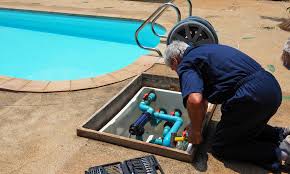
A pool’s plumbing is more than just pipes — it’s the system that ensures efficient water flow, balanced filtration, and safe operation. When designed correctly, it maintains consistent water levels, reduces strain on pumps, and prevents leaks.
Key Functions of Proper Pool Plumbing
- Maintains even circulation for chemical balance
- Supports heating and filtration systems
- Prevents suction and pressure issues
- Minimizes energy costs over time
In Florida’s hot climate, poor plumbing can lead to overheating pumps or algae blooms caused by weak water circulation — a common problem in DIY builds.
Top 7 Pool Plumbing Design Mistakes in DIY Builds
Let’s break down the major issues DIY builders in Charlotte County face — and what professionals do differently.
H3: 1. Incorrect Pipe Sizing
Using the wrong pipe diameter is one of the most common errors. Many DIYers assume “bigger is better,” but that’s not always true.
What Happens:
- Small pipes cause high pressure and pump strain
- Oversized pipes can reduce water velocity and circulation efficiency
Professional Tip:
In most Florida pools, 2-inch PVC for suction and return lines works best, but consult a licensed plumber before choosing pipe sizes.
2. Poor Equipment Placement
DIY builders often install filters, heaters, and pumps too close together or too far from the pool.
Issues That Follow:
- Restricted air circulation around pumps
- Difficult maintenance access
- Unnecessary pipe bends increasing resistance
Example:
In North Port, a homeowner installed the pump below the pool waterline, which led to backflow issues every time the system turned off — requiring full re-plumbing.
3. Skipping Check Valves and Shutoffs
Neglecting to include check valves or isolation shutoff valves can turn a simple leak into a full-blown flood.
Why You Need Them:
- Prevents backflow when pumps stop
- Allows easy maintenance without draining the pool
- Reduces pressure spikes
4. Long and Twisted Plumbing Runs
Every extra bend or foot of pipe adds resistance. Long, winding pipe layouts are a classic DIY mistake.
Fix It With:
- Direct routing between pool and equipment
- 45° angles instead of 90° elbows
- Shortest possible distance to the equipment pad
Pro Insight:
A project in Rotonda required a full redesign because the original owner ran pipes along the property line instead of a straight route — wasting power and water pressure.
5. Ignoring Proper Drainage and Air Relief
Florida’s frequent rainstorms can flood poorly designed equipment pads. Likewise, missing air relief valves can lead to trapped air pockets, which cause pump cavitation.
Quick Checklist:
✅ Equipment pad raised above ground level
✅ Drain channel around pump area
✅ Air relief valve at the highest plumbing point
6. Mixing Old and New Fittings
Many DIY pool remodelers reuse old PVC fittings or valves, thinking they’ll save money. Unfortunately, that often leads to leaks and pressure loss.
Example:
A Punta Gorda resident replaced only half of his return line — the old fittings failed within weeks due to mismatched thread types.
7. Overlooking Local Codes and Safety Standards
In Charlotte County, pool installations must comply with specific plumbing and electrical codes to ensure safety. Non-compliance can lead to fines or forced removal.
You Must Check:
- Florida Building Code Chapter 454 (Public & Private Pools)
- Proper bonding and grounding for pumps
- Required distances from electrical sources
If you’re unsure, consult Florida Detail or a local expert at PortCharlottePoolServices.com to confirm your design meets Florida’s safety standards.
The Cost of Fixing DIY Pool Plumbing Mistakes
Repairing poor plumbing often costs 30–60% more than doing it right the first time. Here’s a breakdown:
| Issue | Average Florida Cost | Typical Cause |
|---|---|---|
| Leaking pipes | $500–$1,200 | Unsealed joints |
| Pump replacement | $800–$1,500 | Suction line pressure |
| Drainage correction | $400–$1,000 | Low equipment pad |
| Full re-plumb | $2,000–$4,000 | Improper layout design |
Remember, these are preventable costs when you plan your system correctly or hire local pros who know Port Charlotte’s soil and weather conditions.
Expert Tips for Successful DIY Pool Plumbing
Even if you’re set on doing it yourself, follow these expert-backed recommendations:
- Sketch your layout first — including pump, filter, and return lines.
- Use schedule 40 PVC — durable for Florida heat and humidity.
- Seal every joint with high-quality PVC cement.
- Pressure test before backfilling to detect leaks early.
- Slope pipes slightly toward drains to prevent standing water.
Pro Resource:
For in-depth guidance on design and local compliance, check out the marketing and technical resources at UnlimitedManiac.com.
You can also explore pool service examples at:
When to Call a Professional
If your pool shows any of these signs, stop DIY fixes immediately:
- Air bubbles in return lines
- Pump loses prime
- Uneven water levels
- Gurgling sounds from drains
These symptoms often point to hidden leaks or improper line balance — issues best diagnosed with pressure testing tools used by certified technicians.
Call your local pool experts in Charlotte County today via Florida Detail to find trusted professionals who can assess, repair, or redesign your plumbing before it becomes a major expense.
Final Thoughts
DIY enthusiasm is admirable, but when it comes to pool plumbing, even small mistakes can turn paradise into a problem. Whether you’re building in Port Charlotte, North Port, or Rotonda, proper planning and professional advice are essential to keep your system efficient and long-lasting.
If you’re unsure where to start, visit Florida Detail — your go-to resource for pool cleaning in Charlotte County, plumbing repair, and design insights tailored to Florida homeowners.
✅ Internal Links Used:
✅ External Links Used:
- UnlimitedManiac.com
- PortCharlottePoolServices.com
- NorthPortPoolCompany.com
- PoolCleaningInPortCharlotte.com


