Keeping your pool in perfect working order is essential, especially in sunny regions like Port Charlotte, Punta Gorda, North Port, and Rotonda. One of the most common — and frustrating — issues Florida homeowners face is a pool plumbing air lock. It can stop your pump from circulating water, affect your filtration, and even cause long-term equipment damage.
In this guide from Florida Detail, we’ll explain what pool plumbing air locks are, what causes them, and how to fix and prevent them so your pool stays crystal clear year-round.
💧 What Is a Pool Plumbing Air Lock?
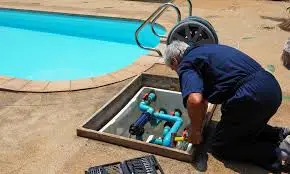
An air lock occurs when air gets trapped in your pool’s plumbing system, preventing water from flowing properly. Because pool pumps rely on a continuous water flow to operate, even a small bubble can interrupt circulation — leading to low pressure, noisy operation, and reduced filtration efficiency.
If you live in Charlotte County, where seasonal weather changes and pool maintenance frequency vary between summer residents and snowbirds, you may notice air locks more often after storms, cleaning, or long inactivity.
⚙️ Common Causes of Pool Plumbing Air Locks
Understanding how air gets trapped is the first step to preventing future issues.
Here are the most common causes:
- Low Water Level:
When your pool water drops below the skimmer line, air is drawn into the system instead of water. - Loose Pump Lid or O-Ring:
A worn-out or improperly sealed pump lid allows air to leak in. - Cracked Suction Lines:
Underground suction pipes can develop small cracks, especially after years of exposure to Florida’s shifting soils. - Improper Priming:
If the pump isn’t fully primed after cleaning or maintenance, air can get trapped inside. - Blocked Skimmer or Main Drain:
Debris like leaves and dirt can block water flow, causing pressure imbalances that pull air into the system. - Old or Damaged Valves:
Faulty valves can introduce air when switching between pool and spa modes or during backwashing.
🧰 How to Identify an Air Lock in Your Pool System
You don’t need to be a pool expert to spot the symptoms of an air lock.
Look for these signs:
- Bubbles coming from the pool returns
- The pump making gurgling or sucking noises
- Weak or no water flow from jets
- Pressure gauge showing unusually low readings
- The pump basket not filling with water
If you notice any of these issues in your Punta Gorda or North Port home, it’s best to act quickly before it strains your pool pump.
🔧 Step-by-Step Guide to Fixing a Pool Air Lock
Here’s how to safely remove trapped air and restore smooth water circulation:
1. Turn Off the Pump
Always start by shutting off your pump and filter system to prevent damage.
2. Check the Water Level
Make sure the pool water is halfway up the skimmer opening. If it’s too low, top it off.
3. Open the Pump Lid
Remove the lid carefully and inspect the O-ring for cracks or dryness. Lubricate it with pool-safe lube if necessary.
4. Fill the Pump Basket
Pour water directly into the pump basket to help prime it before restarting.
5. Re-Seal the Lid and Restart the Pump
Secure the lid tightly, then turn the pump on. Watch for air bubbles escaping from the return jets — that’s a good sign the air is being released.
6. Bleed the Filter Air Relief Valve
If you have a cartridge or DE filter, open the air relief valve to allow trapped air to escape. Close it once water starts to flow smoothly.
🌴 Florida-Specific Tips for Avoiding Air Locks
Living in Charlotte County comes with unique pool maintenance challenges — from heavy rains to high evaporation rates. Follow these local tips:
- After storms, always check for debris that might block your skimmer or drains.
- Run your pump regularly, especially during snowbird season, to prevent stagnation.
- Inspect for leaks around fittings and underground pipes at least once a season.
- Schedule professional maintenance with a trusted local company like Florida Detail or PortCharlottePoolServices.com.
🧼 When to Call a Professional
Sometimes, air locks are a symptom of deeper issues such as cracked pipes or suction-side leaks underground.
You should call a pool repair specialist in Charlotte County if:
- The pump loses prime repeatedly
- You see water pooling around pipes
- Your system shows pressure fluctuations even after bleeding air
Professional diagnostics can include pressure testing or using a smoke machine to detect leaks.
If you’re unsure, reach out via the Florida Detail Contact Page — or explore related resources at UnlimitedManiac.com for digital guides and maintenance tracking tools.
🔗 Helpful Resources and Local Pool Services
Here are trusted local and online resources to keep your pool running efficiently:
- Home — Explore the main site for pool care insights.
- Pool Cleaning in Charlotte County — Learn how local weather impacts water balance.
- Services — Find professional pool cleaning and detailing.
- Contact — Schedule your next pool service visit.
- PoolServiceInPortCharlotte.com — Expert-level pool maintenance across the Gulf Coast.
💦 Final Thoughts: Keep Your Pool Flowing Smoothly
Air locks are more than just an inconvenience — they’re a warning sign that your pool system needs attention. With regular inspection, proper water levels, and a reliable Port Charlotte pool service, you can avoid costly pump failures and enjoy uninterrupted swimming.
Whether you’re in Punta Gorda, North Port, or Rotonda, keeping your pool’s plumbing system in top shape ensures your Florida backyard oasis stays refreshing and ready all year long.
👉 Ready to restore your pool’s performance? Visit Florida Detail to find a verified local pool expert today.


