Owning a swimming pool in Port Charlotte, Punta Gorda, North Port, or Rotonda means you’re no stranger to the Florida sun, sudden rainstorms, and warm temperatures. But these same conditions can wreak havoc on your pool’s water chemistry—especially the pH level.
If you’ve ever noticed cloudy water, skin irritation, or scaling on your tiles, your pool might be experiencing pH swings. In this guide, we’ll break down what causes these swings, how they affect your pool, and the simple steps you can take to keep everything in balance.
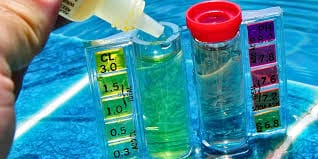
What Is Pool pH and Why It Matters
pH measures how acidic or basic your pool water is on a scale from 0 to 14:
- 7.0 is neutral (pure water).
- Below 7.0 = acidic.
- Above 7.0 = basic (alkaline).
For swimming pools, the ideal pH range is between 7.2 and 7.8. Within this range:
✅ Chlorine works effectively to sanitize your pool.
✅ Swimmers’ eyes and skin remain comfortable.
✅ Your pool surfaces and equipment stay protected.
When pH moves outside this range, you’ll start seeing problems—and fast.
What Causes Pool pH to Swing in Florida?
Florida’s climate adds a few unique challenges for pool owners. Whether you live in Charlotte County, North Port, or Rotonda West, here’s what’s likely behind your pH fluctuations:
1. Heavy Rainfall
Florida’s afternoon storms can dilute pool chemicals and introduce acidic rainwater, dropping the pH suddenly.
2. Strong Sunshine
High UV exposure (especially around Punta Gorda and Port Charlotte) breaks down chlorine quickly, leading to chemical imbalances that cause pH to rise.
3. Frequent Swimming
Human sweat, sunscreen, and body oils affect chemical balance. The more swimmers, the higher the chance for pH instability.
4. High Total Alkalinity
When alkalinity levels are high, the pool water resists pH adjustment—causing constant swings between too high and too low.
5. Use of Certain Chemicals
Shock treatments, chlorine tablets, or algaecides can temporarily spike or drop your pool’s pH.
The Effects of Unstable Pool pH
pH swings aren’t just numbers on a test strip—they create real damage:
When pH Is Too Low (Acidic Water)
- Corrosion of pool metal fixtures and ladders
- Etching of plaster surfaces
- Eye and skin irritation
- Fast chlorine burn-off
When pH Is Too High (Alkaline Water)
- Cloudy, dull water
- Scaling on pool walls and filters
- Algae growth due to weak chlorine effectiveness
- Itchy eyes and dry skin
Pro Tip: Even small swings can shorten the lifespan of your pool equipment. That’s why local pool pros at Florida Detail recommend weekly testing—especially after storms or heavy pool use.
How to Control pH Swings Step-by-Step
Here’s how you can manage your pool’s pH like a pro in Charlotte County:
1. Test Frequently
Use a reliable liquid test kit or digital meter at least 2–3 times a week during summer.
2. Adjust Carefully
- If pH is too low, add soda ash (sodium carbonate).
- If pH is too high, add muriatic acid or sodium bisulfate.
Always add chemicals slowly and retest after 4–6 hours.
3. Maintain Alkalinity
Keep total alkalinity between 80–120 ppm to prevent sudden pH shifts.
4. Watch the Weather
After heavy rain or a long heatwave, retest immediately. Florida’s changing weather can alter water chemistry overnight.
5. Get Professional Help
If swings are constant, consider a professional pool cleaning in Charlotte County (source) to assess your water balance and filtration system.
Local Florida Examples
- After a week of tropical rain in Rotonda West, many pools experience a pH crash due to acid rain.
- In North Port, owners often face pH spikes during long dry spells as evaporation concentrates minerals.
- Around Punta Gorda, high bather loads during snowbird season lead to erratic pH changes that require frequent testing.
Each area has its own environmental factors—but the key is consistency in maintenance.
Helpful Tools for Managing Pool pH
Must-Have Items:
- Digital pH meter
- Liquid reagent test kit
- Soda ash and muriatic acid
- Alkalinity increaser
- Pool brush and skimmer
Optional but Useful:
- Automatic chemical feeder – helps maintain steady pH
- pH stabilizer systems – ideal for commercial pools or vacation homes
Learn more about these products and maintenance options in our Services section.
Why Professional Maintenance Helps
DIY testing is great, but professional maintenance goes further. Companies like Florida Detail and PortCharlottePoolService.com use calibrated meters and advanced balancing methods. They can also spot early signs of scale or corrosion.
In Charlotte County, seasonal changes can drastically affect your pool. Partnering with experts ensures your water stays clear, comfortable, and safe all year long.
💧 Did you know? High humidity in Florida increases carbon dioxide in pool water, naturally lowering pH over time. That’s why even perfectly balanced pools can drift acidic.
Expert Tip from Local Pros
At UnlimitedManiac.com, digital marketers working with pool companies emphasize education-driven content as the best way to build customer trust. It’s the same principle with water care—knowledge and consistency keep your pool (and reputation) crystal clear.
Related Resources
- Pool Maintenance Tips for Rainy Season – FloridaDetail.com
- Understanding Chlorine Levels in Florida Pools
- Contact Our Team for weekly pool service options
You can also check local guides at:
Final Thoughts: Keep Your pH in Check Year-Round
Florida’s tropical weather makes pool care a constant balancing act. But with the right routine, testing tools, and occasional professional help, you can stop pH swings before they start.
If you’re a homeowner in Port Charlotte, Punta Gorda, North Port, or Rotonda, explore Florida Detail to find trusted pool maintenance experts in your area. They’ll help you enjoy crystal-clear, perfectly balanced water—no matter what Florida’s weather throws at you.
✅ Ready to stabilize your pool’s pH?
Visit FloridaDetail.com today to connect with experienced local professionals in Charlotte County who keep your pool sparkling all season long.


