
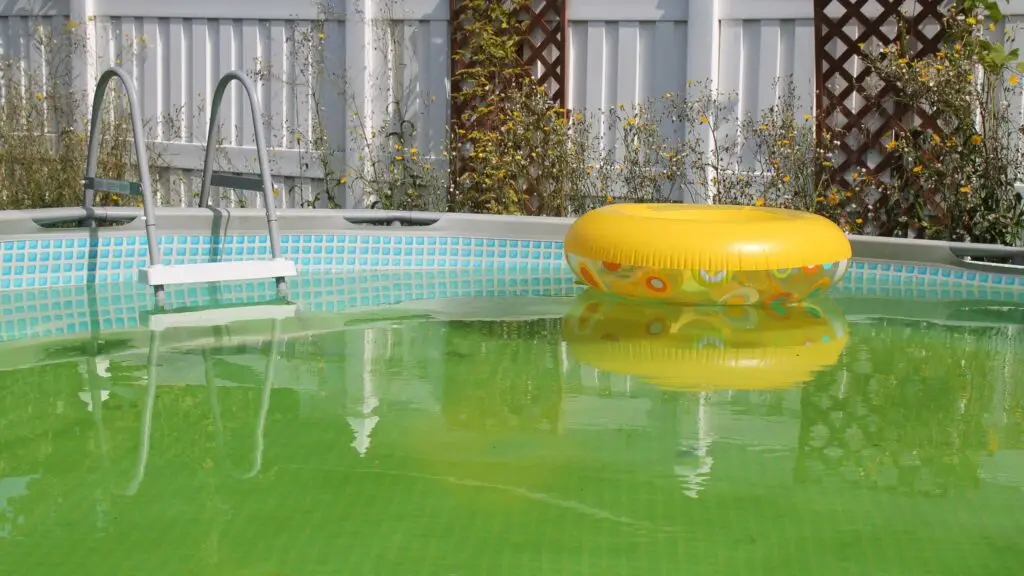
A sudden drop in pool water level can cause any Florida homeowner to panic — but before calling in heavy repair crews, you can use a simple dye test to pinpoint the problem. For pool owners in Port Charlotte, Punta Gorda, North Port, Rotonda, and throughout Charlotte County, knowing how to perform a dye test correctly can save time, water, and costly repairs.
This guide explains how dye tests work, when to use them, and the best practices to ensure accurate results.
What Is a Pool Leak Dye Test?
A pool leak dye test helps identify small leaks by releasing colored dye near suspected leak areas. When applied carefully, the dye is drawn toward cracks, fittings, or gaps where water is escaping.
This low-cost diagnostic method is often used by pool professionals in Charlotte County to locate leaks before starting any repairs.
Common Signs of a Pool Leak
Before performing a dye test, confirm whether you actually have a leak. Normal evaporation can mimic water loss.
Signs that your pool may have a leak include:
- Water loss of more than ¼ inch per day
- Damp spots around the pool deck or equipment area
- Air bubbles in return jets
- Increased chemical usage or algae growth
- Cracks in tiles or plaster near the waterline
If you notice any of these, a dye test can help confirm the leak’s exact source.
Tools You’ll Need
You don’t need professional equipment — just a few simple items:
- Leak detection dye (or red food coloring)
- Pool brush and skimmer
- Mask or goggles for visibility
- Plastic syringe or dropper
- Pool test kit (optional, for balancing chemicals after testing)
You can find dye test kits at most pool supply stores or order from trusted local sources like Florida Detail.
Step-by-Step: How to Perform a Pool Leak Dye Test
1. Turn Off the Pool Equipment
Shut off pumps, filters, and automatic cleaners to keep the water still. The dye test only works if the water is calm.
2. Identify Suspect Areas
Typical leak points include:
- Pool light niches
- Skimmer boxes
- Main drains
- Return fittings
- Cracks in tile grout or plaster
3. Get in Position
Wear goggles or a mask, and position yourself as close as possible to the suspected leak point without disturbing the water.
4. Release the Dye
Use a dropper to gently release a small amount of dye into the water near the suspected area. Watch carefully — if there’s a leak, the dye will flow toward it like a faint trail of smoke underwater.
5. Mark the Spot
Once you see movement, use a waterproof marker or take a quick photo to record the leak location.
6. Repeat if Needed
Test other areas to ensure there aren’t multiple leaks. It’s common in older Port Charlotte or Punta Gorda pools for cracks to appear in multiple spots due to shifting soil or sun exposure.
Pro Tips for Accurate Results
- Perform the test on a calm day — wind and waves can distort dye movement.
- Maintain proper pH and chlorine levels before testing to prevent cloudy water.
- Use bright-colored dye (blue or red) for the best contrast against pool finishes.
- Avoid testing near returns or jets until they’re turned off for at least 15 minutes.
What to Do After Finding a Leak
Small Leaks
If the leak is in a tile joint or minor crack, you can often use:
- Epoxy repair putty
- Underwater sealant
- Hydraulic cement
These quick fixes can prevent further damage until a professional visit.
Major Leaks
If the dye test reveals a leak near plumbing lines, the main drain, or structural cracks, it’s best to call a licensed pool technician. Specialists from Florida Detail or PoolServiceInPortCharlotte.com can perform pressure testing or camera inspections to determine the exact cause.
Common Causes of Pool Leaks in Charlotte County
- Aging pool surfaces exposed to Florida’s strong sun and rain cycles
- Ground shifting from seasonal flooding
- Corrosion around skimmer throats and fittings
- Poorly sealed lights or tile grout
- Cracks caused by thermal expansion or tree roots
Preventing Future Leaks
Routine maintenance can help prevent repeat problems. Here’s what local professionals recommend:
- Inspect tiles and coping every season for visible cracks.
- Check skimmer baskets and fittings for leaks or wear.
- Keep your pool deck clean to prevent roots and soil intrusion.
- Monitor water chemistry weekly to prevent material degradation.
- Schedule annual leak inspections with a Charlotte County pool service provider.
Local Pool Leak Detection Resources
- Florida Detail – Leak detection and repair experts
- NorthPortPoolCompany.com – Professional maintenance and leak solutions
- PortCharlottePoolServices.com – Reliable inspections and pool repairs
- Unlimited Maniac – Local home and pool care resources
Final Thoughts
A pool leak doesn’t have to ruin your Florida pool season. By using a simple dye test, homeowners in Port Charlotte, Punta Gorda, North Port, and Rotonda can quickly locate leaks before they worsen.
For expert leak repairs and pool maintenance, visit Florida Detail to connect with trusted local professionals serving Charlotte County and surrounding communities.


