Keeping your Florida pool in perfect condition isn’t just about clean water — it’s also about making sure every drop stays inside the pool. Leaks can sneak up on homeowners in Port Charlotte, Punta Gorda, North Port, Rotonda, and across Charlotte County, leading to wasted water, higher bills, and damaged decks or landscaping.
The good news? You don’t always need professional gear to spot the problem. There are simple, effective pool leak detection tools that you can use right at home before calling in an expert.
Why Pool Leaks Are Common in Florida
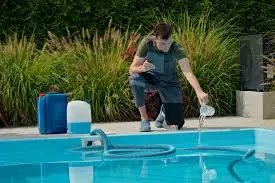
Florida’s heat, humidity, and seasonal storms make pools more vulnerable to structural wear and plumbing issues. Over time, sunlight weakens seals, expansion and contraction crack concrete, and strong winds can loosen fittings.
Common causes include:
- Shifting soil after heavy rains
- Worn-out pool liners or tiles
- Cracks near the skimmer or return jets
- Leaky pool lights or underground plumbing
If your water level is dropping faster than ¼ inch per day, it’s time to investigate.
Simple Tools for At-Home Pool Leak Detection
Even without specialized gear, you can still narrow down where your pool might be leaking. Here are some tried-and-tested methods Florida homeowners use:
1. The Bucket Test
This classic test helps determine whether the water loss is due to evaporation or an actual leak.
You’ll need:
- A 5-gallon plastic bucket
- A marker or tape
Steps:
- Fill the pool to a normal level.
- Place the bucket on a pool step and fill it so the water inside and outside are even.
- Mark both water levels.
- Wait 24 hours (without swimming or topping up).
If the pool water level drops more than inside the bucket, you’ve confirmed a leak.
2. Food Coloring Test
Perfect for pinpointing small surface leaks near fittings, lights, or cracks.
How to do it:
- Turn off the pump to still the water.
- Add a few drops of food coloring near suspected areas.
- Watch carefully — if the color drifts into a crack or gap, you’ve found your leak.
💡 Pro Tip: Perform this test near the skimmer box or main drain, where leaks commonly start.
3. Dye Testing Kits
You can buy an affordable pool leak detection dye kit at local hardware stores in Port Charlotte or online. These kits work similarly to food coloring but provide a stronger visual trail, especially in deep or cloudy pools.
4. Pressure Testing Equipment
If you suspect plumbing leaks, simple pressure testing kits (found at pool supply stores or online) can help you test suction and return lines. However, this test may require some plumbing knowledge.
For advanced leaks, you may want to connect with a trusted local expert listed on Florida Detail for professional pool leak detection services.
When to Call a Professional
While DIY tools are great first steps, persistent water loss often means there’s a hidden issue — such as:
- Underground pipe cracks
- Leaks under pool decking
- Damaged skimmer throats or fittings
That’s when it’s smart to contact an expert through Florida Detail or PoolServiceInPortCharlotte.com for a professional inspection.
How to Prevent Future Leaks
Once your pool is repaired, preventive care can go a long way.
Maintenance Checklist
✅ Inspect seals and tiles monthly
✅ Monitor water level weekly
✅ Avoid draining during hot weather
✅ Schedule annual maintenance via Florida Detail
✅ Use proper pool covers during storms
Helpful Local Resources
- Florida Detail – Your go-to Florida pool maintenance directory.
- UnlimitedManiac.com – Local marketing insights for Florida pool businesses.
- NorthPortPoolCompany.com – Professional leak detection services near you.
You can also browse related guides on:
Final Thoughts
Detecting leaks early helps you avoid major repairs, protect your property, and save water — something every Florida homeowner values.
If you notice unexplained water loss, start with these simple at-home leak detection tools, then connect with a verified local service provider on Florida Detail. You’ll find trusted experts from Port Charlotte to Rotonda, ready to restore your pool’s health fast.


