
When you step into your pool in Port Charlotte, the last thing you expect is for the ladder to wobble or shift under your grip. Yet, this issue is far more common than many homeowners realize — especially in Florida’s humid, sun-soaked climate.
Pool ladder anchors may look simple, but they play a vital role in safety and stability. Over time, these metal sleeves that secure your ladder into the pool deck can loosen, rust, or even detach — posing a real hazard.
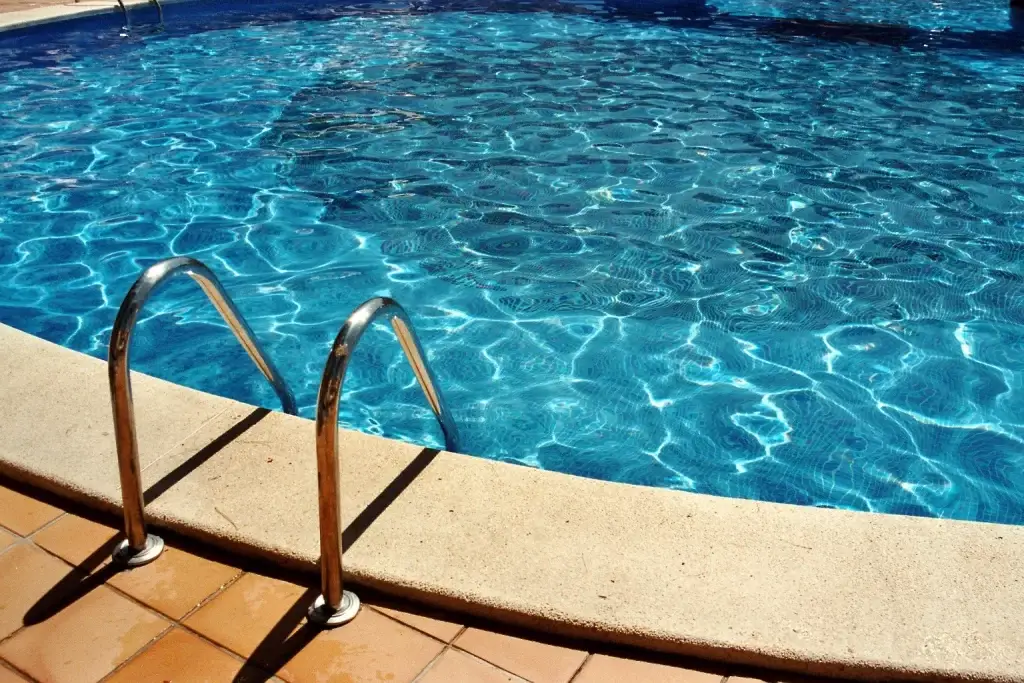
In this post, we’ll explain why pool ladder anchors loosen, how to prevent it, and what local Florida pool owners can do to keep their pool ladders sturdy and safe.
🛠 Understanding Pool Ladder Anchors
Pool ladder anchors are metal or plastic sleeves embedded in the pool deck. The ladder rails slide into these anchors and are locked in place with a wedge or bolt.
Their purpose is to ensure:
- Secure footing when entering or exiting the pool
- Stability against movement or weight shifts
- Safety compliance with Florida pool codes
In Charlotte County, where pools face daily exposure to UV rays, salt air, and moisture, anchors can deteriorate faster than in most parts of the country.
🌴 Why Pool Ladder Anchors Loosen Over Time
Even with proper installation, time and Florida’s environment take their toll. Below are the most common causes of loosened pool ladder anchors in Port Charlotte, Punta Gorda, North Port, and Rotonda:
1. Expansion and Contraction of Concrete
Florida’s heat can cause the pool deck concrete to expand during the day and contract at night. This constant movement loosens the anchor sockets embedded within.
2. Corrosion from Humidity and Salt Air
In coastal areas like Punta Gorda, salty air accelerates corrosion. Metal anchor sleeves eventually rust, making them brittle and unable to grip the ladder firmly.
3. Improper Installation or Poor Sealant
If the original installer didn’t use marine-grade epoxy or failed to seat the anchor flush with the deck, it will gradually shift or pull loose.
4. Pool Water and Chemical Exposure
Chlorine and pool chemicals can seep into cracks and corrode anchor bolts, especially if not properly sealed.
5. Frequent Movement or Overuse
In vacation rentals and community pools, constant use loosens the ladder more quickly than in private residential pools.
⚠️ Signs Your Pool Ladder Anchors Need Attention
Keep an eye out for these warning signs before a small wobble becomes a serious safety issue:
- Ladder shifts when you apply pressure
- Visible cracks around anchor points
- Rust stains spreading from anchor sleeves
- Bolts no longer tightening fully
- Grinding or creaking sound when moving the ladder
If you spot any of these, it’s time to schedule a quick pool maintenance check. A local professional (like those listed on Florida Detail) can inspect your anchors and re-secure them properly.
🔧 How to Fix Loose Pool Ladder Anchors
Here’s a breakdown of what professionals typically do:
Step 1: Inspect and Clean the Anchor
All rust and debris are removed from the anchor hole to expose clean concrete.
Step 2: Re-seat the Ladder Anchor
Epoxy or hydraulic cement is applied to stabilize and re-bond the anchor sleeve.
Step 3: Secure Ladder Rails
New wedges or bolts are installed, ensuring firm grip and proper alignment.
Step 4: Seal and Finish
A water-resistant sealant prevents future corrosion and chemical infiltration.
🧰 Preventative Tips for Florida Pool Owners
Keeping your pool ladder stable doesn’t just prevent injuries — it extends your pool’s lifespan.
Here are some simple but effective maintenance habits:
- ✅ Rinse ladders weekly with fresh water to remove salt and chlorine.
- 🧴 Use anti-rust coating or sealant on ladder rails.
- ⚙️ Inspect anchors quarterly, especially after storms or high traffic.
- 🪛 Tighten bolts gently — overtightening can crack anchor sleeves.
- 🧽 Hire professional pool cleaning in Charlotte County (link) to ensure regular inspection and upkeep.
🌧 Florida’s Climate and Anchor Deterioration
Between summer storms, UV exposure, and year-round pool use, pool decks in Rotonda and North Port face unique challenges.
A common Florida scenario:
After several wet seasons, moisture seeps through microcracks in your pool deck. The steel anchor sleeve begins rusting from the inside out. Within months, your once-solid ladder starts to shift.
That’s why preventive inspections are crucial before each swim season.
For local experts who can assess your anchors or resurface your pool deck, explore Florida Detail’s pool services or partners like PortCharlottePoolServices.com.
🧠 Professional Insight from Local Technicians
According to technicians featured on NorthPortPoolServices.com, the most common mistake homeowners make is ignoring minor anchor wobble. Once water penetrates those gaps, the problem multiplies.
They recommend combining ladder anchor maintenance with your routine pool filter cleaning or deck sealing appointments to save time and cost.
💡 Quick Callout: Upgrade to Plastic or Resin Anchors
If corrosion is a recurring problem, consider switching to plastic or resin anchors.
- They don’t rust
- They’re resistant to chemical damage
- They last longer in humid climates like Charlotte County
Your pool technician can replace existing metal anchors during a maintenance visit.
🔗 Related Resources & Backlinks
- UnlimitedManiac.com – Expert local SEO & marketing for Florida pool companies
- Florida Detail – Your trusted local directory for pool care and maintenance pros
- PoolCleaningInPortCharlotte.com – Residential & commercial pool cleaning specialists
🏁 Conclusion: Keep Your Ladder Anchors Safe and Secure
Loose pool ladder anchors might seem minor — until they cause injury or damage. With Florida’s harsh weather and constant exposure, staying proactive is key.
If you’re in Port Charlotte, North Port, or Rotonda, contact a verified local pro on Florida Detail to inspect, repair, or replace your ladder anchors. A 20-minute maintenance call today can prevent a costly fix tomorrow.


