Whether you’re buying or selling a home in Port Charlotte, Punta Gorda, North Port, Rotonda, or elsewhere in Charlotte County, one hidden gem (or potential liability) is the swimming pool. Realtors in Southwest Florida often press for a professional pool inspection as part of the due diligence process. In this post, Florida Detail walks you through what realtors typically look for, how local conditions affect pools, and what homeowners or prospective buyers should know.
Why Realtors Demand Pool Inspections
Realtors see a pool as both a selling point and a risk factor. In Charlotte County, Florida’s climate, heavy sun exposure, and occasional storms can accelerate wear and tear. A well-documented inspection gives confidence to both seller and buyer.
Some reasons realtors insist on a pool inspection:
- To uncover hidden defects before closing
- To limit liability and avoid post-sale disputes
- To provide a clear “condition baseline” for negotiation
- To assure lenders and insurance companies
In many cases, real estate agents will require that the contract include a contingency clause for a passing pool inspection in Port Charlotte, Punta Gorda, or North Port.
What Realtors & Inspectors Look For
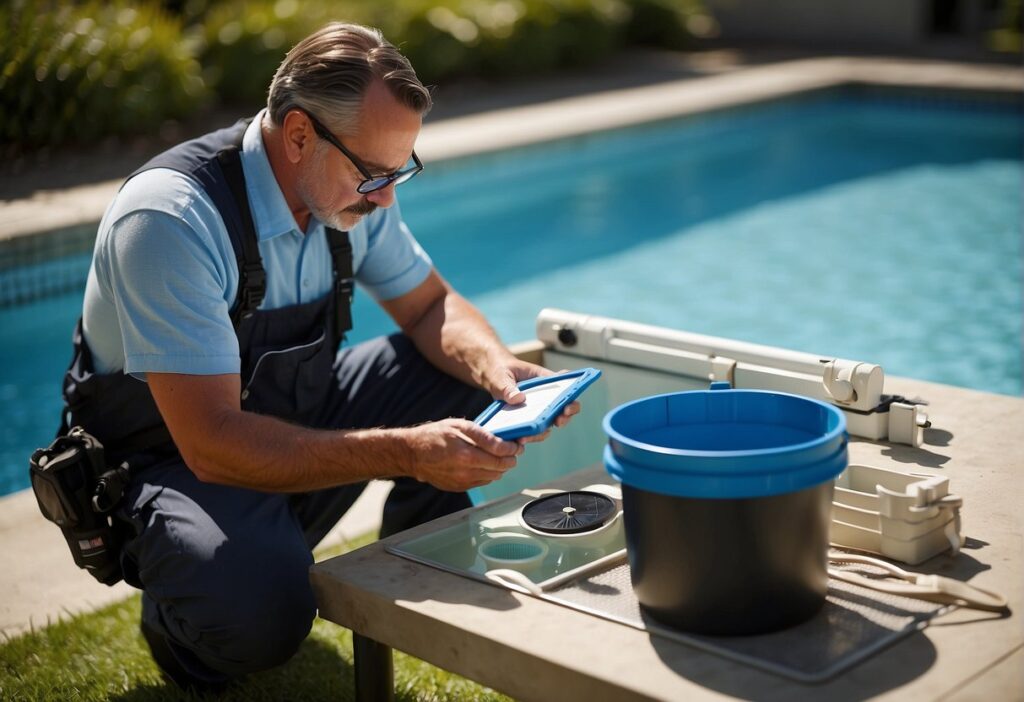
During a realtor-requested pool inspection, professionals generally examine several critical areas. Below is a breakdown of the main categories:
1. Pool Structure & Shell Condition
- Cracks, chips, blistering, or delamination of plaster or coating
- Evidence of settlement or shifting (especially in older homes)
- Tile, coping, and edge integrity
- Leakage signs (pool losing more water than expected)
2. Equipment & Mechanical Components
- Functionality of pump(s), filters, and motors
- Condition of heaters, heat pumps, or solar heating
- Automation, controllers, and timers
- Pool plumbing: valves, pipes, returns, suction lines
- Electrical safety: correct grounding, GFCI protection
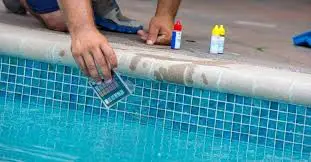
3. Water Quality & Chemistry
- pH, total alkalinity, calcium hardness, stabilizer
- Sanitizer levels (chlorine, salt systems, or alternative systems)
- Evidence of algae, staining, or scale buildup
- Clarity, turbidity, and proper chemical balance
Callout: In sunny Charlotte County, strong UV exposure accelerates chlorine breakdown, so proper stabilizer and balanced chemistry are critical.
4. Deck, Cage, & Surrounding Surfaces
- Deck cracking, unevenness, spalling or trip hazards
- Pool cage or enclosure: structural integrity, torn screening
- Pool barriers, fences, gates, latches (per local code)
- Deck slope and water drainage
5. Safety Features & Compliance
- Approved pool safety barriers and enclosures
- Pool alarms, safety covers, and anti-entrapment hardware
- Handrails, ladders, steps, depth markers
- Local ordinance compliance (e.g. in Punta Gorda or Port Charlotte)
- ADA or access if required
6. Operational Testing & Functional Checks
- Running the system under load to check flow and pressure
- Checking heater operation, heating cycles, valves
- “Bucket test” or leak test to quantify water loss
- Testing backup systems, redundancy, and controls
7. Documentation & Historical Maintenance
- Service records: dates, chemical logs, repairs
- Warranty or age of key components (pump, motor, heater)
- Previous repair reports or deferred maintenance notes
By combining these checks, the inspector—or realtor’s chosen party—assembles a professional report that becomes part of the disclosure package for Charlotte County homes.
Local Factors Influencing Pool Condition
Inspectors and realtors in the Charlotte County region (Port Charlotte, Punta Gorda, North Port, Rotonda) always account for local environmental stressors. These include:
- Intense UV / Sun Exposure — accelerates surface deterioration
- Storms, wind, and hail — can damage screens, cages, and covers
- Salt spray (near waterfront or canals) — accelerates corrosion
- Seasonal use patterns — many snowbirds leave pools inactive for months
- Extreme rain & run-off — can lead to volume surges, erosion, or flooding in the deck area
- Algae pressure — warm temps breed algae, especially in shady or vegetated areas
A pool in Port Charlotte might, for example, suffer more from sun bleaching, whereas a waterfront pool near Punta Gorda may endure heavier salt exposure.
Real estate agents are aware of these stresses, and will lean on inspection reports to negotiate repairs or price adjustments.
Sample Realtor Observation List
Here’s a quick list of what a realtor might flag during a pool inspection in Charlotte County:
- Persistent leak not addressed
- Malfunctioning heater or broken controls
- Cracked deck surface or poorly maintained coping
- Damaged or torn pool cage enclosures
- Absence of GFCI or faulty wiring
- Incorrect barrier height, gate latches not code
- Algae stains, scaling, or plaster degradation
- Old pumps or equipment past life expectancy
- Lack of maintenance history
- Poor water chemistry or discoloration
If any of these items arise, realtors often request that either repairs be made or a repair credit be offered before closing.
Checklist: What Sellers & Buyers Can Do Before Inspection
To reduce surprises and streamline negotiations, consider the following:
- Flush & clean: Brush walls, vacuum debris, remove leaves
- Balance water: Adjust pH, chlorine, alkalinity to close to ideal
- Document records: Gather service logs, parts receipts
- Run equipment: Turn on pumps, heater, check all modes
- Inspect cage/screen: Patch any tears, ensure frame integrity
- Visual check deck & coping: Seal cracks, pressure wash
- Basic leak test: Perform bucket test to rule out major leaks
These proactive steps often reduce inspector notes and create goodwill with the buyer.
How Florida Detail Supports Realtors & Homeowners
At Florida Detail, we understand the meticulous standards realtors expect for Charlotte County home listings. Our pool inspection process is designed to complement real estate transactions, offering:
- Thorough inspection reports with photos
- Clear documentation for Port Charlotte, Punta Gorda, North Port, Rotonda areas
- Coordination with realtors, sellers, and buyers
- Repair recommendations (if needed)
- Follow-up inspections or remediation services
If you’re a realtor or homeowner needing a trusted inspection partner in Charlotte County, Florida Detail stands ready. Explore our Services or reach out via our Contact page for more details.
Linking Resources & Additional Reading
- For foundational details on pool cleaning in Charlotte County, check our blog section on pool maintenance best practices at Florida Detail.
- Our Home page offers insight into the full suite of services we provide at Florida Detail.
- If you want to understand the inspection process more deeply, visit a marketing insight on inspection timing at UnlimitedManiac.com (local SEO reference).
- Some external pool service companies in the area (for cross-reference) include PortCharlottePoolService.com and NorthPortPoolCompany.com, which also illustrate inspection expectations in our region.
Conclusion & Call to Action
Realtors in Charlotte County don’t see a pool merely as a backyard perk—they view it as a technical system. They’re looking for evidence of structural integrity, safe and compliant equipment, and clear maintenance history. In Port Charlotte, Punta Gorda, North Port, and Rotonda homes, the tropical climate and occasional storms make inspection diligence essential.
If you’re listing a home or evaluating a purchase, partnering with a reliable pool inspection and service company can make a real difference. Florida Detail invites you to explore our directory and connect with a trusted local pool service provider. Visit our Home page, check our Services, and for inquiries, drop by our Contact page — let’s make your pool one less worry, one more selling point.
