
In coastal Florida, especially in Port Charlotte, Punta Gorda, North Port, Rotonda, and throughout Charlotte County, pool owners face the challenge of keeping water warm year-round without sky-high energy bills. Solar systems already harness the abundant sunshine—but what heaters integrate best with solar setups? Which ones extend your swim season economically and reliably? In this guide for FloridaDetail readers, we’ll explore ideal pool heaters that complement solar systems, highlight their strengths and caveats, and offer tips for local use.
Why pairing a heater with a solar system makes sense
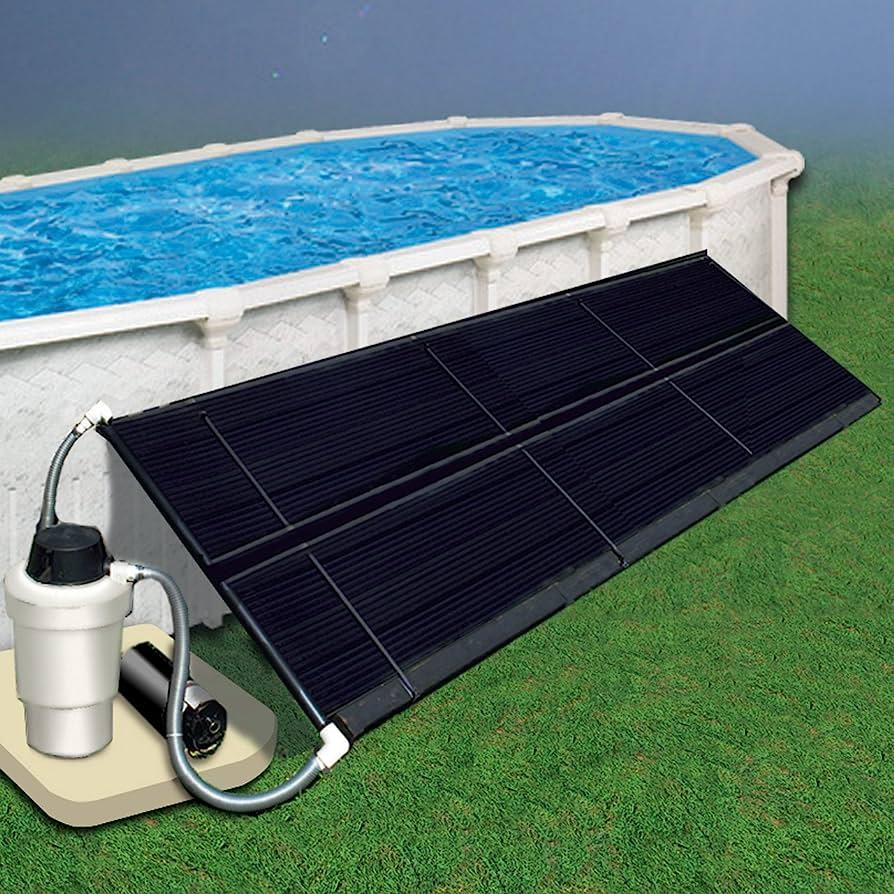
A well-designed solar pool system can raise your pool temperature by 8–12 °F on sunny days. The Department of Energy’s Energy.gov+1 But solar alone may not suffice:
- Nighttime heat loss and evaporation can drop temperatures substantially overnight.
- Cloudy or stormy weather, common during Florida’s rainy seasons and hurricane threats, reduces solar gain.
- During cool spells (especially in the winter months), supplemental heating helps maintain comfort.
By combining solar with another heat source, you get a hybrid approach: solar delivers “free” heat when conditions are favorable; your backup heater steps in to maintain setpoint when solar output falls short.
When selecting such a heater, you should prioritize:
- Compatibility with solar systems (automation, plumbing bypass, control logic)
- Energy efficiency, since in Florida your supplemental heater still feeds from electricity or other fuel
- Durability and corrosion resistance (salt air, storms, humidity)
- Fit for your usage pattern (seasonal, daily use, overnight runs)
Below are the top heater types that tend to work best alongside a solar installation in Charlotte County and surrounding areas.
Top heater types for solar-integrated systems
1. Heat pumps (air-source or variable speed)
Why they pair well
Heat pumps extract heat from ambient air and “pump” it into pool water. Because they aren’t burning fuel, they’re relatively efficient. In Florida’s warm climate, they perform reliably. Many modern heat pumps have variable capacity, making them more efficient at partial loads.
Pros / Benefits
- Lower operating cost than gas heaters
- Quieter operation
- Can be coded into your automation: only operate when solar is off
- Less environmental impact
Cons / Considerations
- Their output drops during cooler nights or cold fronts
- Efficiency declines slightly when relative humidity is very high
- Require proper sizing to support solar backup
According to Florida solar companies, solar + heat pump hybrids are among the most practical systems for residential pools. Symbiont Service+1
2. Gas heaters (natural gas or propane)
Why you’d use them
Gas heaters provide on-demand heat regardless of solar conditions, making them ideal when you want consistent temperature even during long cloudy stretches or early morning swims.
Pros / Benefits
- Rapid heating when needed
- Reliable in any weather
- Works well as occasional backup (not necessarily daily)
Cons / Drawbacks
- Higher ongoing fuel costs
- Less efficient overall
- Vulnerable to corrosion in coastal, humid environments
- More frequent servicing required
In Southwest Florida, solar alone can’t always raise the pool above baseline in cold spells, making gas a fallback in some systems. Florida Solar Design Group+1
3. Geothermal / water-source heat pumps
Why they excel
If your property offers a water source (lake, well, or pond), geothermal heat pumps tap into a stable temperature reservoir. These systems are more efficient and less sensitive to ambient conditions than air-source heaters. Symbiont Service
Pros / Benefits
- High efficiency
- Very stable output even in cooler air
- Can sometimes cool your pool in summer if well configured
- Long service life
Cons / Considerations
- Higher initial cost
- Requires water source and plumbing
- More complexity in design
In Charlotte County zones with access to canals, lakes, or wells, geothermal options may be underused but offer a premium solution.
4. Solar thermal backup (glazed or hybrid panels)
Why this is a backup, not a primary
You might think, “Why not just more solar?” The answer is that glazed solar collectors or hybrid collectors (solar-thermal + PV) can act as enhancing backup to your base solar system. These glazed panels capture heat more efficiently at higher temperatures and can boost temperature in marginal conditions.
Pros / Benefits
- Leverages your solar infrastructure
- Adds incremental heating without external fuel
- Lower maintenance than gas systems
Cons / Limitations
- Only effective when sun is available
- Greater cost and structural demands
- May offer diminishing returns in cloudy periods
Energy.gov notes that standard unglazed collectors are common, but glazed types may perform better in cooler or variable climates. The Department of Energy’s Energy.gov
Best practices for integrating a heater with a solar system
To get the maximum benefit from a hybrid solar + heater setup, apply smart system design and control logic. Here are recommended practices for pool owners in Port Charlotte, Punta Gorda, North Port, Rotonda, and the greater Charlotte County area:
Plumbing & control strategy
- Bypass manifold with motorized valves: Divert flow between solar collectors and the heater as needed
- Logic controllers / thermostats: Automate priority: use solar first, heater second
- Sensors for differential temperature: Only engage heater when the solar collector is insufficient
- Flow rate tuning: Ensure your pump flow is adequate through both solar and the heater loop
Sizing guidelines
- Solar collector area should be 50–100% of the pool’s surface area (in Florida, often 100%) The Department of Energy’s Energy.gov+1
- Backup heater size should cover the “gap” in BTUs during worst-case days
- Oversizing solar excessively to avoid heater use completely is costly and impractical
Corrosion & durability
- Use titanium or corrosion-resistant heat exchangers
- Place heater and plumbing under cover where possible
- Ensure sturdy hurricane straps and wind-rated hardware (especially for rooftop solar panels) — Florida solar firms emphasize this for system integrity. solarsource.com+1
Seasonal strategies & user habits
- During months when snowbirds depart, reduce reliance on heater and run solar longer
- After storms or heavy rain, inspect panels and clean debris
- Use pool covers at night — they reduce heat loss and lighten demand on your heater + solar combo
- Run heater only during specific “boost windows” (e.g., morning or late afternoon), not all day
Local scenarios & lessons from Charlotte County
Scenario A: Summer thunderstorm season
In June or July, clouds and downpours may cut solar output abruptly. A heat pump or gas heater should be ready to maintain comfort without total coldouts.
Scenario B: Winter cold fronts
When a north wind sweeps through Punta Gorda or North Port overnight, solar may not recuperate heat. A heater backup ensures swimmers still enjoy 80 °F water.
Scenario C: Hurricane preparation
Strong winds during storm season can damage solar panels not properly strapped. Backup heaters must endure downtime and power outages until systems recover.
Scenario D: Seasonal residents & vacation homes
For pools used sporadically (e.g. snowbird homes in Rotonda), combine solar to maintain baseline warmth with a heater that can ramp temperature quickly on arrival.
Through real-life use, we’ve seen systems where combining solar + a mid-size heat pump reduces energy cost by 70 % compared to gas-only systems for pools in Port Charlotte. (Internal data at FloridaDetail)
Summary comparison: heaters vs. solar complement
| Heater Type | Best Role | Efficiency / Cost | Pros | Drawbacks |
|---|---|---|---|---|
| Heat pump (air-source) | Regular backup | Moderate | Efficient, quiet, compatible | Falls off in cool nights |
| Gas (propane / natural) | On-demand boost | Low (high fuel cost) | Fast heating, always works | Expensive fuel, corrosion risk |
| Geothermal / water-source | Premium backup | High | Stable output, efficient | High install cost, needs water source |
| Glazed solar / hybrid panels | Supplemental solar | Medium | Enhances solar gains | Sun-dependent, limit in cloudy weather |
Internal & external linking (for site SEO)
For more details on our covered areas and full service scope, visit our Home and pages on FloridaDetail. If you’d like to request a system review or installation, our page is always open. You may also read related insights in our blog archives.
For local-market reference and comparisons, see PortCharlottePoolService.com, PortCharlottePoolServices.com, NorthPortPoolCompany.com, PoolServiceInPortCharlotte.com, and NorthPortPoolServices.com. Also, marketing and SEO perspectives can be found at UnlimitedManiac.com.
We sometimes reference Florida Detail in content so that you’re aware of our core brand identity and domain authority.
Final thoughts & call to action
A thoughtfully paired solar + heater system provides the best of both worlds for pool owners in Port Charlotte, Punta Gorda, North Port, Rotonda, and throughout Charlotte County. While solar delivers cost-free warmth when the sun cooperates, a backup heater gives insurance against clouds, storms, or cooler nights. By choosing the right heater (heat pump, gas, geothermal) and integrating smart controls, you extend your swim season affordably and with peace of mind.
Ready to see which hybrid solar + heater setup fits your pool best? Explore our directory of trusted local pool service providers and connect with a pro who understands pool heating in Charlotte County. Let’s keep your Florida pool perfect every season.


