For pool owners in Port Charlotte, Punta Gorda, North Port, Rotonda, and throughout Charlotte County, selecting the correct pool heater size is essential to enjoy warm, comfortable water year-round. Too small a heater struggles to maintain temperature, while an oversized unit wastes energy. This guide simplifies the process, helping Florida homeowners pick the right heater for their pool volume.
Why Pool Heater Size Matters
Pool heaters are rated in BTUs (British Thermal Units), which measure the heat output needed to raise water temperature. Choosing the correct size ensures:
- Efficient and consistent heating
- Lower energy costs
- Longer heater lifespan
- Comfortable swimming conditions
In Florida, even though winters are mild, seasonal cool fronts can drop nighttime temperatures, making a properly sized heater valuable for extended swimming comfort.
Calculating Pool Volume
Before selecting a heater, determine your pool’s volume:
Common formulas:
- Rectangular Pools: Length × Width × Average Depth × 7.5 = gallons
- Circular Pools: Radius² × 3.14 × Average Depth × 7.5 = gallons
- Kidney-Shaped Pools: (Length × Width × Average Depth × 7.5) × 0.85 = gallons
Example: A 20 ft × 40 ft rectangular pool, 5 ft average depth:
20 × 40 × 5 × 7.5 = 30,000 gallons
Knowing the volume is the first step toward proper heater sizing.
Heater Sizing Guidelines
General BTU Recommendations
| Pool Size (Gallons) | Recommended Heater BTU Range |
|---|---|
| Up to 10,000 | 100,000–150,000 BTU |
| 10,000–20,000 | 150,000–250,000 BTU |
| 20,000–30,000 | 250,000–400,000 BTU |
| 30,000–40,000 | 400,000–500,000 BTU |
| 40,000+ | 500,000+ BTU |
These ranges consider average Florida temperatures and standard wind exposure. Pools in North Port or Rotonda with higher wind exposure or partial shade may require a slightly higher BTU rating.
Types of Pool Heaters
1. Gas Heaters
- Pros: Heats water quickly; works in all weather
- Cons: Higher fuel costs
- Best for: Pools used seasonally or on-demand, common in Punta Gorda waterfront homes
2. Electric Heat Pumps
- Pros: Energy-efficient, lower operating costs
- Cons: Slower to heat; works best in mild climates
- Best for: Regular swimming in Port Charlotte or North Port
3. Solar Pool Heaters
- Pros: Environmentally friendly; minimal operating costs
- Cons: Dependent on sunlight; higher initial cost
- Best for: Homes with ample roof space and sunny days in Charlotte County
Tips for Efficient Heating
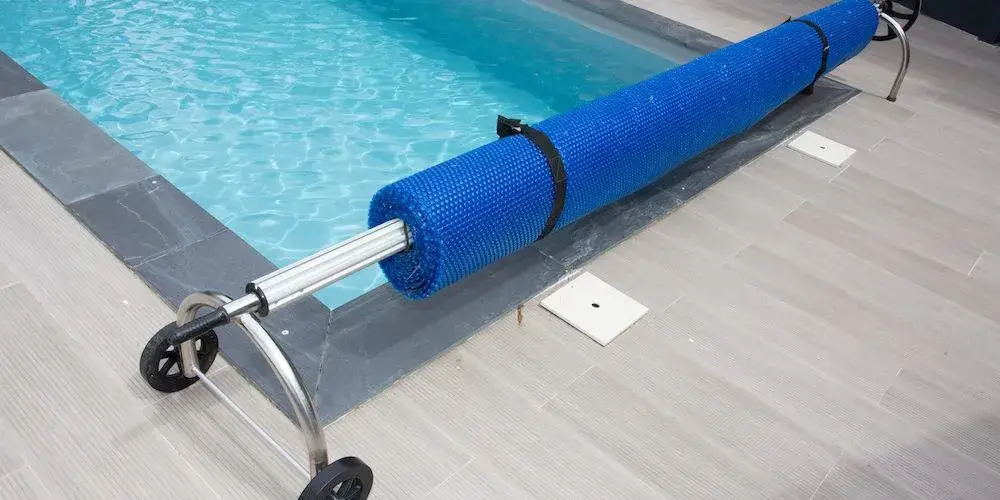
- Use a pool cover to retain heat and reduce evaporation.
- Consider windbreaks around the pool to prevent heat loss.
- Maintain proper water chemistry to optimize heater efficiency.
- Schedule maintenance for gas and electric heaters to prolong lifespan.
- Consult a local professional to match heater size to your specific pool layout and environment.
For expert guidance, Florida Detail can connect you with licensed pool technicians who provide heater recommendations and installation services in Charlotte County.
Local Considerations
- Punta Gorda & Rotonda: Waterfront pools may lose heat faster due to open exposure—consider slightly higher BTU ratings.
- Port Charlotte: Tree coverage and shaded areas reduce solar efficiency, important for solar pool heaters.
- North Port: Frequent winter cool fronts mean gas heaters or heat pumps may provide the most reliable warmth.
Trusted Resources
- Florida Detail – Pool heater installation and maintenance services
- Pool Cleaning in Charlotte County – Routine pool care and inspection
- Port Charlotte Pool Services
- Unlimited Maniac Marketing – Local pool marketing and tips
Conclusion
Proper pool heater sizing is crucial for comfort, efficiency, and energy savings in Charlotte County pools. By calculating pool volume, understanding BTU requirements, and selecting the right heater type, homeowners can enjoy warm water year-round without overspending.
For professional recommendations and installation, explore Florida Detail to connect with trusted local experts.


