If you’ve ever relaxed by your pool in Port Charlotte or Punta Gorda only to hear a hum, buzz, or rattle from your pool heater, you’re not alone. Pool heater noise is one of the most common complaints among homeowners across Charlotte County, North Port, and Rotonda.
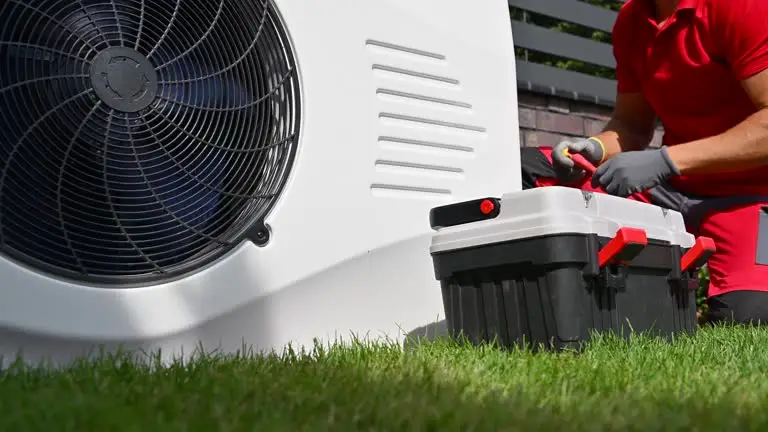
But here’s the catch — not all noises mean something is wrong. Some are completely normal, while others are early warnings that your heater needs attention. In this guide, we’ll break down which sounds are safe and which need repair, plus how to keep your pool heater running quietly and efficiently all season long.
H1: Understanding Pool Heater Sounds
Pool heaters, like any mechanical device, make sounds as they operate. However, being able to tell a normal sound from a problematic one can save you costly repairs or a mid-season breakdown.
H2: Normal Noises from Pool Heaters
Here are common sounds you might hear that usually indicate normal operation:
- Low humming: Caused by the fan motor running.
- Soft clicking: Normal for ignition systems starting up.
- Gentle whooshing: The sound of gas or air flow as the heater ignites.
These noises are typical for most pool heaters and shouldn’t cause concern.
H2: Warning Sounds You Should Never Ignore
Some sounds, on the other hand, are signs that your system needs inspection — especially in Florida’s heat and humidity.
- Loud banging or knocking: May indicate trapped air or delayed ignition.
- Grinding or screeching: Often means worn-out bearings in the motor.
- Whining or high-pitched noise: Can point to a fan or compressor issue.
- Rattling: Loose parts or debris around the unit.
Pro Tip: If your heater is located near a lanai or patio in Punta Gorda or North Port, vibrations can echo off walls and seem louder — so always check for placement or mounting issues before calling for service.
H1: Why Pool Heaters Get Noisy in Florida
Florida’s warm climate, salt air, and heavy rainfall can take a toll on outdoor pool equipment. Here’s why noise issues are especially common in areas like Charlotte County and Rotonda.
H3: 1. High Humidity and Corrosion
Metal parts inside your heater can corrode over time due to moisture, leading to friction, loose fittings, and unusual vibrations.
H3: 2. Frequent Usage
Many Florida homeowners run their heaters year-round, especially during cool mornings or for spa heating. This constant operation increases wear on moving parts.
H3: 3. Debris from Storms
After tropical storms or hurricanes, leaves, sand, and small twigs can lodge inside heater fans, creating that rattling noise you might hear after a storm passes.
H1: Troubleshooting Pool Heater Noise
Before calling a technician, there are a few simple checks you can perform safely.
H2: Step-by-Step Noise Inspection
- Turn off the power — always start safely.
- Clear debris from around and under the heater.
- Tighten visible screws or bolts that may have loosened.
- Listen to where the noise is coming from — the fan, motor, or inside the unit.
- Restart and test for changes in noise.
If the problem persists, it’s time to call a licensed pool professional.
H1: Professional Pool Heater Maintenance in Charlotte County
If you’re unsure whether your pool heater noise is normal, contacting a local pool expert is the best solution. Local professionals familiar with Port Charlotte, Punta Gorda, and Rotonda conditions know how Florida’s weather affects heaters differently than in other states.
Why Choose Local Experts
- Experience with Florida humidity and salt exposure
- Quick on-site response times
- Familiarity with brands common in the area (like Hayward and Pentair)
- Preventative maintenance tailored to local conditions
Check out the Services page at Florida Detail for professional help with pool cleaning, inspection, and heater maintenance.
H1: Long-Term Fixes for a Quieter Pool Heater
To reduce noise and extend your heater’s life, consider these smart steps:
- Install vibration pads beneath the heater.
- Keep the area clear of debris and obstructions.
- Schedule seasonal maintenance before the holidays or winter months.
- Upgrade old units if your heater is over 10 years old.
These simple adjustments can make a big difference in reducing everyday operational noise.
H1: Local Voices: Real Experiences from Florida Pool Owners
“After last summer’s storms in Punta Gorda, my heater started rattling like crazy. Florida Detail’s technician found a small branch stuck inside the fan—problem solved in 10 minutes!”
— Sandra R., Punta Gorda
“We live in Rotonda, and our pool heater was whining non-stop. Turned out to be corrosion on the fan blades. Glad we called a local expert before it got worse.”
— Tom & Cheryl D.
These real Florida cases highlight how simple issues can mimic major breakdowns.
H1: Helpful Resources and External Links
Learn more about pool maintenance and digital pool technology:
- UnlimitedManiac.com – Local SEO and marketing strategies for Florida pool companies.
- PortCharlottePoolServices.com – Trusted local maintenance experts.
- NorthPortPoolServices.com – Regional professionals for residential pools.
- PoolCleaningInPortCharlotte.com – Comprehensive pool cleaning in Charlotte County.
For ongoing pool care guides, visit https://FloridaDetail.com.
Conclusion: Keep Your Florida Pool Peaceful and Efficient
A pool heater that hums softly is a sign of health — but if your backyard in Port Charlotte or Punta Gorda sounds more like a construction site, don’t ignore it. Whether it’s simple maintenance or a deeper mechanical issue, acting early saves both money and comfort.
Visit Florida Detail today to explore trusted pool cleaning in Charlotte County, find local heater experts, and keep your Florida pool running quietly all year round.


