In sunny Charlotte County, pool heaters aren’t just a luxury — they’re a year-round essential. Whether you’re in Port Charlotte, Punta Gorda, Rotonda, or North Port, the right heater lets you enjoy your pool even on those cooler Florida mornings.
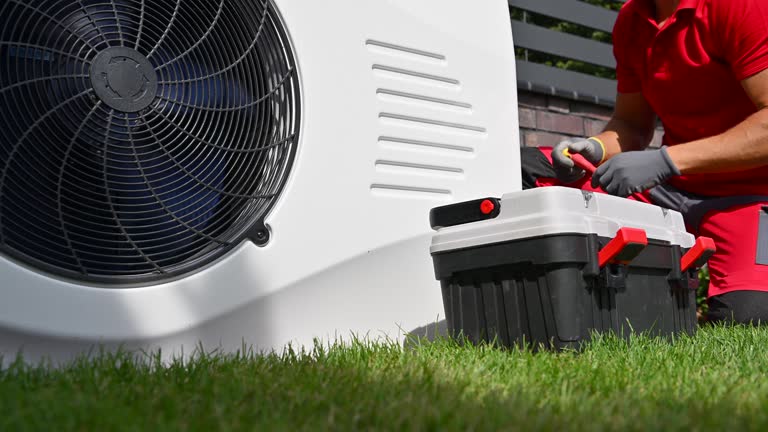
But even the best pool heaters don’t last forever. Knowing their average lifespan and when to budget for replacement can save you money, energy, and surprise repair bills down the road.
💡 Did You Know?
Most pool heaters last between 7 to 12 years, depending on the model, usage, and maintenance routine.
Understanding Pool Heater Types and Their Average Lifespans
Pool heater longevity depends on the type of system you use. Here’s a quick comparison for Charlotte County homeowners:
| Heater Type | Average Lifespan | Ideal For |
|---|---|---|
| Gas Pool Heaters | 5–10 years | Quick heating, occasional use |
| Electric Heat Pumps | 10–15 years | Year-round swimming in warm climates |
| Solar Pool Heaters | 15–20 years | Eco-friendly homes with high sun exposure |
1. Gas Pool Heaters
Common in Port Charlotte and Punta Gorda, gas heaters work fast but face wear from salt, humidity, and frequent storms. Without regular service, corrosion can shorten their life dramatically.
2. Electric Heat Pumps
Popular across North Port and Rotonda, these energy-efficient systems last longer but depend on good airflow and clean filters.
3. Solar Heaters
Ideal for Florida’s sunshine, but panels may degrade under extreme UV exposure and storm debris.
👉 Regular cleaning and inspections through Florida Detail can add several years to your heater’s lifespan.
Factors That Affect Pool Heater Longevity
Charlotte County’s tropical climate can be both a blessing and a challenge. Here’s what can make or break your heater’s performance:
🌴 1. Climate and Weather
Frequent rain, salt air, and humidity accelerate corrosion — especially for outdoor heaters near coastal areas like Punta Gorda.
🔧 2. Maintenance Habits
Skipping routine cleanings or filter checks leads to clogged heat exchangers, poor performance, and early burnout.
⚡ 3. Electrical Quality
Power surges or voltage drops during storms can damage electric heat pumps if not protected by surge protectors.
💧 4. Pool Water Chemistry
Unbalanced chlorine or pH levels corrode heater components over time. That’s why professional pool cleaning in Charlotte County is essential for long-term protection.
🧠 Pro Tip: Schedule a professional heater inspection every 6 months through Florida Detail or local partners like PortCharlottePoolService.com.
Signs It’s Time to Replace Your Pool Heater
You don’t want your heater dying mid-season. Watch for these warning signs:
- 🔥 Takes longer than usual to heat the pool
- 💨 Strange noises or vibrations during operation
- 💧 Visible leaks or rust on the heater body
- ⚠️ Higher energy bills without better performance
- 💀 Frequent repairs costing more than replacement
If two or more of these issues sound familiar, it’s time to budget for a new heater.
When to Budget for a Replacement
💰 1. Around the 8–10 Year Mark
If your system is approaching a decade old, start setting aside funds. Even well-maintained heaters decline in efficiency.
🗓️ 2. After Major Repairs
Once you’ve replaced multiple components (like heat exchangers or thermostats), replacement becomes more cost-effective.
🌪️ 3. After Storm Damage
Florida’s storms can damage wiring or panels. Check your unit post-hurricane — even if it still runs.
💬 Real-life example: A Punta Gorda homeowner recently upgraded from a gas to a solar system after back-to-back storms. Their energy bills dropped by 40%, and the heater now runs silently year-round.
How to Extend the Life of Your Pool Heater
Keeping your heater efficient and long-lasting isn’t complicated:
- Flush the system regularly to prevent calcium buildup.
- Cover your pool to reduce debris and load on the heater.
- Schedule professional maintenance every 6–12 months.
- Balance chemicals weekly to prevent corrosion.
- Install surge protection to guard against lightning strikes.
If you’re not sure where to start, explore Services on the Florida Detail website or connect with trusted partners such as:
For small business and homeowner marketing insights, check out UnlimitedManiac.com — your Florida resource for local growth and home service visibility.
Florida Homeowner Budget Tips
Here’s how Charlotte County homeowners can plan ahead:
- Set aside $15–$25 monthly in a “pool fund.”
- Review energy usage annually to spot efficiency drops.
- Consider upgrading to newer, energy-efficient models — many pay for themselves within two years in electricity savings.
When Replacement Is the Smart Choice
Sometimes, replacing your pool heater is financially smarter than constant repairs.
If your current unit is:
- Over 10 years old,
- Out of warranty, or
- Operating at less than 70% efficiency,
Then a new energy-efficient model can save hundreds annually.
For guidance and quotes, visit Florida Detail — the go-to hub for pool services, heater installations, and cleaning in Charlotte County.
Final Thoughts
Your pool heater keeps your Florida lifestyle warm and comfortable year-round — but like all equipment, it needs care and planning.
Whether you’re in Port Charlotte, Punta Gorda, Rotonda, or North Port, understanding your heater’s lifespan and replacement timeline helps you stay ahead of costly surprises.
👉 Ready to extend your heater’s life or plan your next upgrade?
Visit Florida Detail or contact a trusted local pool specialist today.
For local marketing insights and homeowner resources, visit UnlimitedManiac.com.


