Keeping your Florida pool clean and clear often comes down to one overlooked component — your pool filter pressure gauge. Whether you’re in Port Charlotte, Punta Gorda, North Port, or Rotonda West, understanding what high or low pressure readings mean can save you time, money, and frustration.
Your filter’s pressure gauge tells a story — and if you learn to “read” it, you can prevent expensive damage to your pool system.
What Pool Filter Pressure Really Means
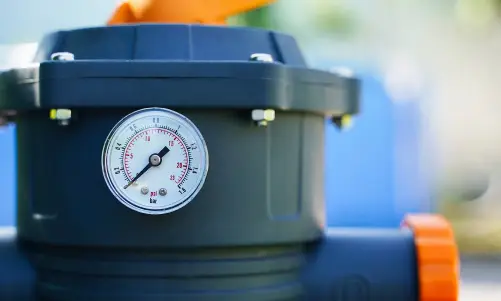
The pressure gauge measures how hard your pump is pushing water through your filter.
- Normal range: Typically 10–20 PSI (pounds per square inch)
- High pressure: Over 20–25 PSI
- Low pressure: Below 8–10 PSI
When your readings swing outside this range, it’s a sign something’s off.
🧠 Pro Tip: Always note your system’s “clean filter baseline.” Check pressure right after a fresh cleaning — that number becomes your personal reference point.
High Pool Filter Pressure: What It Means and Why It Happens
High pressure means water is struggling to pass through the filter — like trying to drink through a clogged straw.
Common Causes
- Dirty or clogged filter media
– Sand, DE (diatomaceous earth), or cartridge filters can build up debris quickly in Florida’s warm, humid climate. - Algae or oil buildup
– Sunscreen, body oils, and algae from summer storms or heavy use often cause blockages. - Blocked return lines or valves
– A kinked hose or partially closed valve can restrict water flow. - After heavy rain or windstorms
– Port Charlotte pool owners often notice spikes in pressure after hurricanes or summer downpours due to debris entering the system.
How to Fix It
- Backwash or rinse your filter thoroughly.
- Inspect for clogs in the return jets.
- Clean cartridges using a gentle degreaser or replace them if worn.
- Check that all valves are fully open.
If high pressure persists, it’s time to call a professional pool cleaning service in Charlotte County — you can find trusted providers at Florida Detail.
Low Pool Filter Pressure: What It Means and Why It Happens
Low pressure often indicates your pump isn’t getting enough water flow — like trying to sip from a straw with holes.
Common Causes
- Clogged skimmer baskets or pump baskets
- Air leaks in suction lines or pump lid
- Low water level (common after evaporation during hot Florida summers)
- Blocked impeller or worn-out pump seal
How to Fix It
- Clean out skimmer and pump baskets regularly.
- Ensure your pool water level is halfway up the skimmer.
- Tighten the pump lid and check the O-ring for cracks.
- Prime your pump after maintenance.
⚠️ Warning: Running your pump with air leaks or low water can burn out the motor fast — especially in peak summer heat.
For expert inspection or maintenance, check out pool cleaning in Charlotte County or NorthPortPoolServices.com for trusted professionals.
When to Worry About Pressure Fluctuations
Minor shifts in pressure are normal — temperature, weather, and usage can cause changes.
But sudden spikes or drops over 5 PSI often signal a deeper problem.
Call for help if:
- Pressure climbs quickly after cleaning.
- Water flow at returns feels weak.
- Pump basket doesn’t fill completely with water.
- You see bubbles in the return jets.
Professionals listed on Florida Detail can diagnose your issue fast and help extend your equipment’s lifespan.
Real-World Example from Port Charlotte
After a week of heavy rain last summer, a homeowner in Port Charlotte noticed pool water turning cloudy. Their filter gauge read 30 PSI — double the normal. A technician from PoolCleaningInPortCharlotte.com found the cartridge clogged with fine storm debris. A quick clean dropped pressure back to 14 PSI, and clarity returned within a day.
How to Maintain Ideal Pool Filter Pressure
Keeping your pressure stable is all about consistent maintenance.
Weekly Checklist
- ✅ Check and record PSI
- ✅ Clean skimmer/pump baskets
- ✅ Backwash when pressure rises 8–10 PSI above baseline
- ✅ Maintain proper water level
- ✅ Schedule monthly inspections during peak swimming season
Seasonal Florida Tips
Living in Charlotte County means your pool works overtime — sun, storms, and seasonal “snowbirds” all add to system stress.
- After storms: Clean and backwash immediately.
- In dry spells: Watch for falling water levels and rising air leaks.
- During peak sun: Algae grows fast — higher filter pressure often follows.
For ongoing care, check out the professional pool maintenance services available on Florida Detail.
Why Regular Filter Monitoring Saves You Money
Catching pressure issues early:
- Prevents pump burnout
- Reduces energy costs
- Extends filter life
- Keeps water crystal clear year-round
According to UnlimitedManiac.com, consistent filter monitoring also improves overall pool efficiency — reducing chemical use and long-term maintenance costs.
Get Expert Help in Charlotte County
If your pressure readings still confuse you, don’t worry — local pool experts are ready to help. Explore trusted service providers on Florida Detail or visit:
Conclusion: Know Your Gauge, Protect Your Pool
Your pool’s pressure gauge isn’t just a number — it’s your pool’s heartbeat.
Learning what “high” and “low” really mean helps you act fast and keep your system healthy.
Ready to take the next step?
👉 Visit Florida Detail to explore professional pool services across Port Charlotte, Punta Gorda, North Port, and Rotonda today.


