
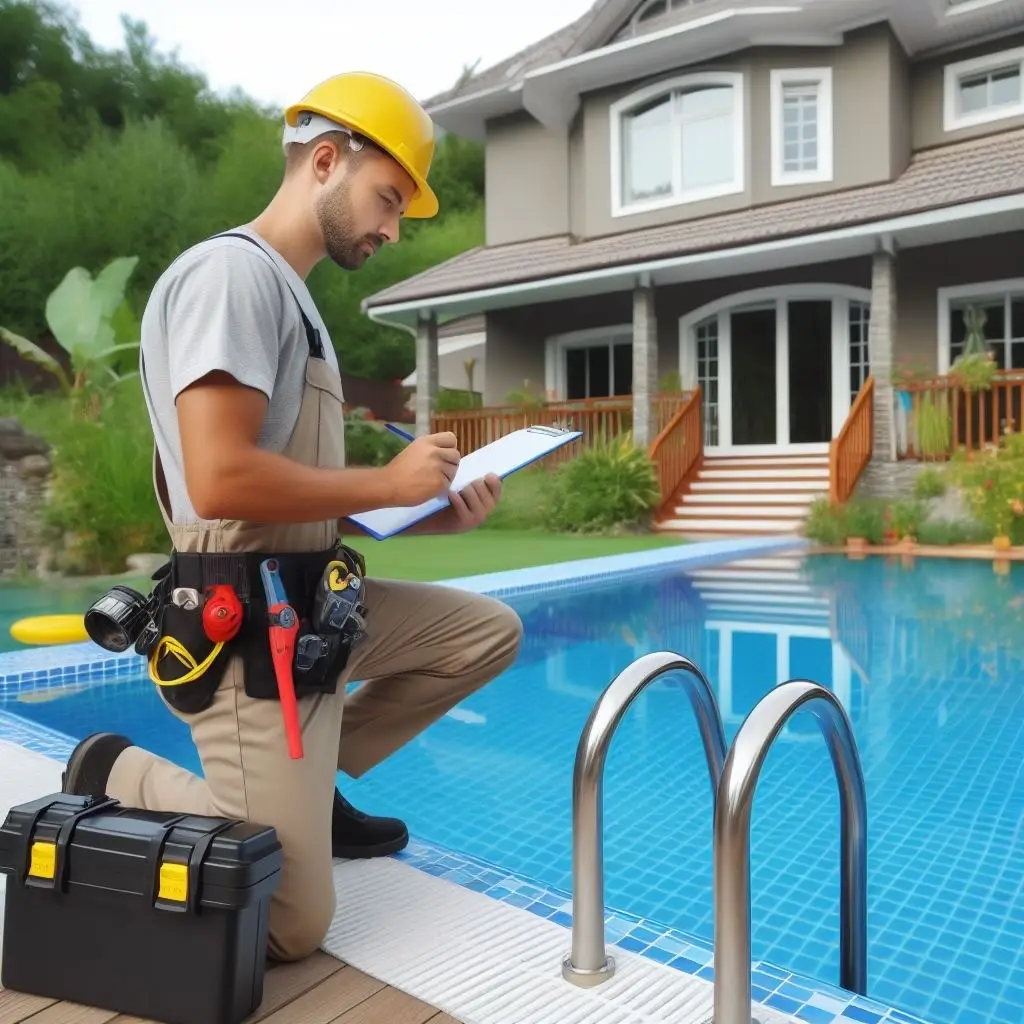
Your pool filter is the unsung hero of your backyard oasis — it traps dirt, oils, leaves, and other debris so your water stays crystal clear. But improper cleaning can easily damage filters, shorten their lifespan, or even cause leaks. Here’s how to clean your pool filter the right way without breaking it.
Step 1: Turn Off the System First
Never start cleaning with the pump running. Turn off the pool pump and release pressure using the air relief valve on top of the filter tank. Skipping this step can cause water to shoot out when you open the system — or worse, crack the filter housing.
Pro Tip: Always wait until the pressure gauge reads zero before removing the filter lid.
Step 2: Remove the Filter Element Carefully
Whether you have a cartridge, sand, or DE filter, handle components with care:
- Cartridge filters: Lift out gently and avoid bending the pleats.
- Sand filters: Don’t dig inside — sand can damage laterals.
- DE filters: Remove grids carefully to avoid tearing the fabric.
Local Tip for Florida Owners: High humidity can make seals swell. If the lid feels stuck, spray a bit of silicone lubricant on the O-ring — never use petroleum jelly.
Step 3: Rinse With the Right Pressure
One of the biggest cleaning mistakes homeowners make is using too much pressure. A high-pressure washer can tear cartridge pleats or dislodge DE fabric seams.
Best Practice:
- Use a garden hose with a spray nozzle, not a pressure washer.
- Rinse from top to bottom, between pleats or grids.
- Rotate as you go to ensure full coverage.
Pro Insight: If your filter looks stained even after rinsing, soak it overnight in a filter cleaning solution (1 part muriatic acid to 20 parts water) — but only after rinsing off debris.
Step 4: Inspect Before Reassembling
Look for cracks, frayed edges, or missing end caps. A damaged cartridge or torn grid won’t just reduce performance — it can let debris flow back into the pool.
Replace filters that show:
- Cracked plastic ends.
- Stretched or ripped fabric.
- Excessive discoloration (brown or oily buildup that won’t rinse out).
Step 5: Reinstall With Care
When putting the filter back, ensure:
- The O-ring is lubricated and free from grit.
- All clamps are tightened evenly — over-tightening can warp the housing.
- The air relief valve is open during restart to release trapped air.
Once the system starts, check for leaks or hissing sounds. If you see drips around the lid, shut off the pump and reseat the gasket.
Step 6: Keep a Cleaning Schedule
Regular cleaning reduces strain on the pump and extends your filter’s life.
General Guide:
- Cartridge filters: Every 4–6 weeks.
- DE filters: After each backwash or every 3 months.
- Sand filters: Once or twice a year.
In Florida’s debris-heavy environments, consider shorter intervals during pollen or storm season.
Final Thoughts
Pool filter cleaning isn’t just about appearance — it’s essential for performance and safety. Handle components gently, use the right pressure, and inspect seals every time. These small steps can prevent costly replacements and leaks.
If you’d rather have a professional handle it, Charlotte County pool maintenance specialists can deep-clean filters safely using low-pressure systems and manufacturer-approved solutions.


