When summer hits full stride in Florida, the last thing you want is a scorching hot pool deck that burns bare feet. Here on the Gulf Coast and in communities like Port Charlotte, Punta Gorda, North Port, Rotonda, and the rest of Charlotte County, your choice of deck material can make or break the comfort of your outdoor oasis. At Florida Detail, our goal is to help homeowners pick materials that stand up to intense sun, tropical storms, splash from pool chemistry, and seasonal algae growth — all while staying as cool as possible underfoot.
In this post, we’ll walk you through top-performing cool deck materials, pros and cons, installation tips, and how to maintain them in our Southwest Florida climate.
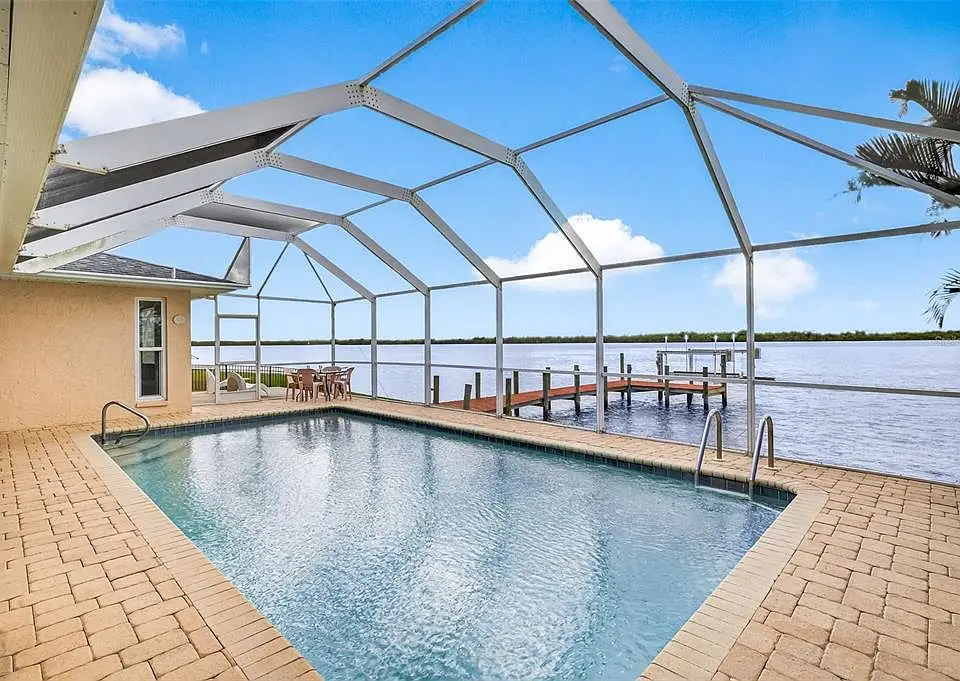
Why “Cool Deck” Matters in Charlotte County
H2 – Florida’s unique challenges for pool decks
- Intense solar radiation — the sun’s UV rays heat surfaces relentlessly
- High humidity and rain — leading to algae, mold, and slick surfaces
- Pool chemicals — chlorine, acid, salt (in coastal locations) can degrade surfaces
- Thermal cycling — surfaces expand and contract, causing cracks over time
- Storms and wind — sometimes carrying grit, debris, or salt spray
Because of those factors, in Port Charlotte or Punta Gorda, even a well-installed ordinary concrete deck can become unbearably hot or deteriorate faster than expected. A “cool deck” approach is about both material choice and surface treatment.
Top Materials That Stay Cooler
Below is a comparison of materials that perform well under Florida sun — especially useful for homes in North Port, Rotonda, and across Charlotte County.
| Material | Cooling Advantage | Key Benefits | Potential Drawbacks |
|---|---|---|---|
| Travertine | Natural light color, porous texture | Elegant look, natural slip resistance, long life | Needs sealing, higher cost |
| Shellstone / Coquina | Reflects heat, coarse texture | Great for coastal Florida look | More brittle, more maintenance |
| Light-colored concrete with cool coating | Reflective coatings reduce heat absorption | Cost-effective upgrade option | Must be well-applied and periodically renewed |
| Acrylic / Polymer overlays | Engineered to reject heat | Can resurface existing decks, customizable colors | Lower lifespan than stone |
| Porcelain pavers (light tone, textured) | Low absorption, non-porous | Easy to maintain, stain-resistant | Must choose outdoor-rated, slip-resistant versions |
| Specialized “cool deck” systems (e.g. Kool Deck) | Designed formulas to stay cooler | Overlay option, trademarked systems | Overlays may need repair or recoat over time |
Notes from industry sources:
- Travertine often stays noticeably cooler than standard concrete or brick. Panda Pavers -+1
- Acrylic coatings are a common “cool deck” upgrade because they absorb less heat and offer slip resistance. Concrete Science+1
- The “Kool Deck” overlay system is a proven polymer-cement formula designed specifically to keep decks cooler. kooldeck.com
What Makes a Pool Deck Truly Cooler?
Understanding these factors helps you make smarter choices.
H3 – Color and reflectivity
Lighter colors reflect more sunlight; darker stones or finishes tend to trap heat.
H3 – Surface texture & porosity
A slightly porous or textured surface reduces how much of your foot contacts hot areas. That’s one reason travertine or shellstone feel better under bare feet.
H3 – Material thermal conductivity
Stone and composite materials vary in how fast they absorb and release heat; materials that heat up slowly help maintain comfort.
H3 – Proper drainage and airflow
Water that sits on surfaces or poor ventilation under pavers encourages heat retention and algae. Good slope and gaps help.
H3 – Surface coatings & overlays
Acrylic or polymer overlays add a cool “filter” over a concrete slab, reducing heat absorption and improving slip resistance. sundek.com+1
Installation & Design Tips for Local Homes
To maximize the performance of any deck material in Port Charlotte, Punta Gorda, or Rotonda, consider these best practices:
- Use light colors — Beige, off-white, sand tones or light gray
- Skillful sub-base prep — Prevent shifting or settling in Charlotte County’s soils
- Slope away from the pool — To avoid standing water and algae
- Install expansion joints correctly — To mitigate cracking in thermal cycles
- Edge coping compatibility — Coordinate with your coping stone to avoid “heat islands”
- Shade structures — Pergolas, umbrellas, tall palms or palms can reduce direct sun load
- Mix warm and cool zones — For example, use travertine near seating, and coated concrete on open sun surfaces
By combining smart design with great materials, even decks in high-sun neighborhoods in North Port or Charlotte County can remain comfortable.
Maintenance & Longevity
Even the best materials benefit from proper care.
- Seal natural stone regularly (every 1–3 years depending on product & exposure)
- Clean gently — mild detergent, soft brush, pressure wash on safe settings
- Address cracks early — especially in overlays or coatings
- Monitor finish wear — plan for recoat (for acrylics) before surface becomes too porous
- Balance pool chemistry — avoid pH extremes that damage surfaces or coatings
- Watch for storm damage — debris and grit after hurricanes can scratch or chip surfaces
Local Example: Why It Matters in Punta Gorda & Port Charlotte
Imagine you live in Rotonda and had a solid concrete pool deck installed ten years ago. Over time the surface has become hot, faded, and chipped after heavy rains and summer storms. Meanwhile your neighbor in Port Charlotte used travertine with a sealer and minimal coating over the years. She reports that her feet still stay comfortable on bare skin in July. That real difference is what surfaces and systems designed for “cool deck” performance bring in our Florida sunbelt.
If you’re seeing early cracks or surface discoloration, resurfacing with an acrylic overlay or converting to travertine or coated pavers may extend life and improve comfort.
Choosing What’s Right for You
Here’s a quick decision flow to help:
- Budget constraint? → coated concrete overlay or acrylic system
- High-end look + long life? → travertine, shellstone, or premium porcelain
- Existing slab you don’t want to replace? → overlay, acrylic coating, or decorative resurfacing
- Lower maintenance preference? → porcelain, sealed stone, or durable overlay
- High traffic or sun exposure? → materials rated for UV, abrasion, and slip
Whatever your choice, ensure your installer is experienced in Florida climate, especially in Charlotte County and North Port zones.
Internal & Partner Links (for SEO & Navigation)
For more on how we help homeowners in the area, check out our Services page, or learn more About Florida Detail. To start your project or receive a quote, visit our Contact page.
Also see insights on pool cleaning in Charlotte County for maintaining surfaces after installation.
We also reference local partners like PortCharlottePoolService.com and PortCharlottePoolServices.com as trusted resources in our service area to share expertise and community connections.
Final Thoughts & Call to Action
Selecting a pool deck material that stays cool isn’t just a style choice — it’s a decision that affects comfort, safety, longevity, and maintenance, especially in Port Charlotte, Punta Gorda, North Port, Rotonda, and across Charlotte County. Whether you’re building from scratch or resurfacing an existing slab, the right material and coating system can transform your poolside experience.
If you’d like expert guidance tailored to your property, feel free to explore our directory of local pool service providers or connect with Florida Detail directly. We’re here to help you make the best decision for your climate, lifestyle, and budget — so your pool deck stays cool, beautiful, and safe for years to come.


